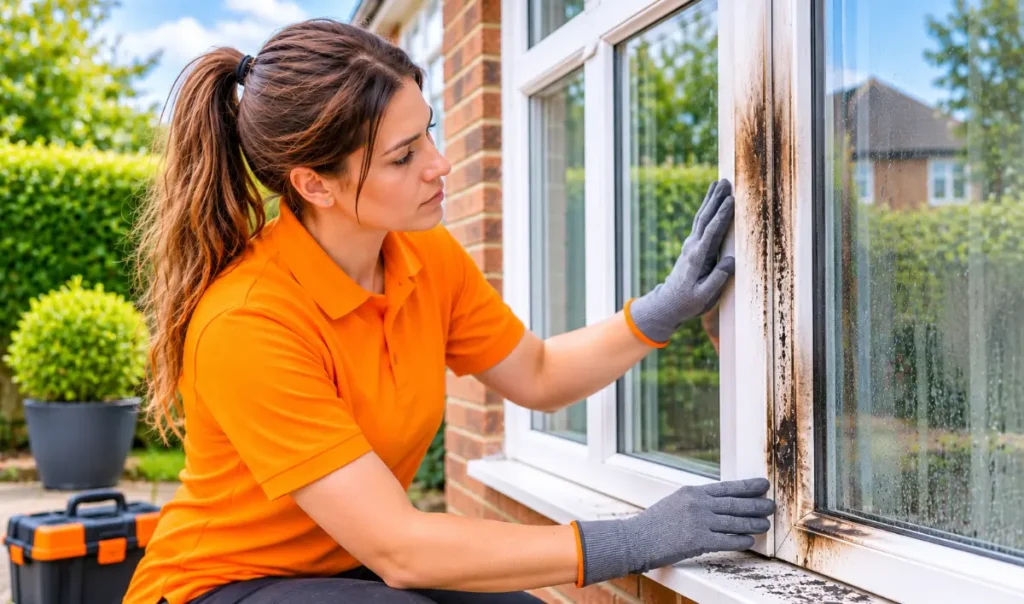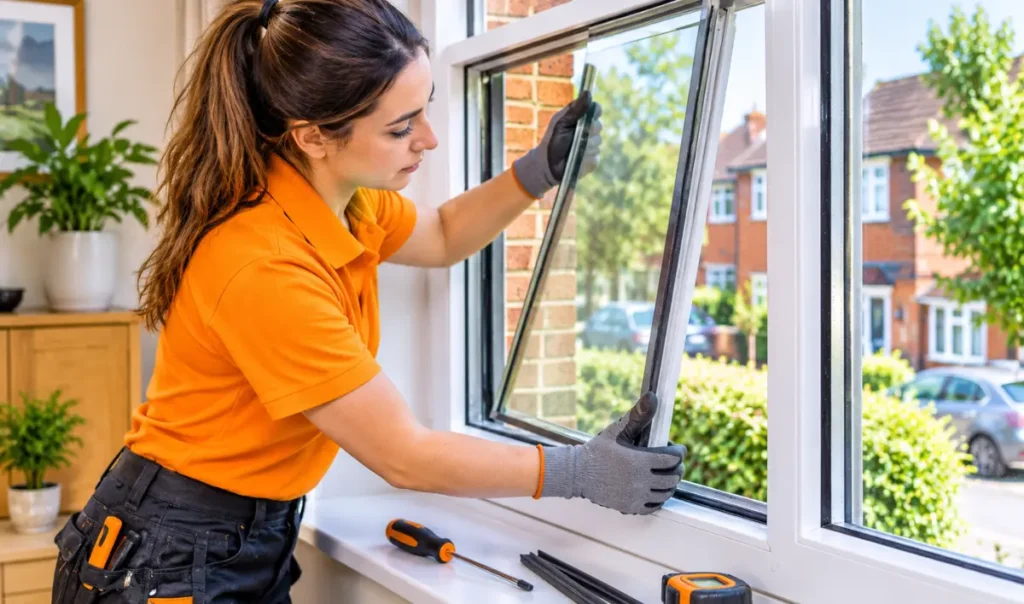
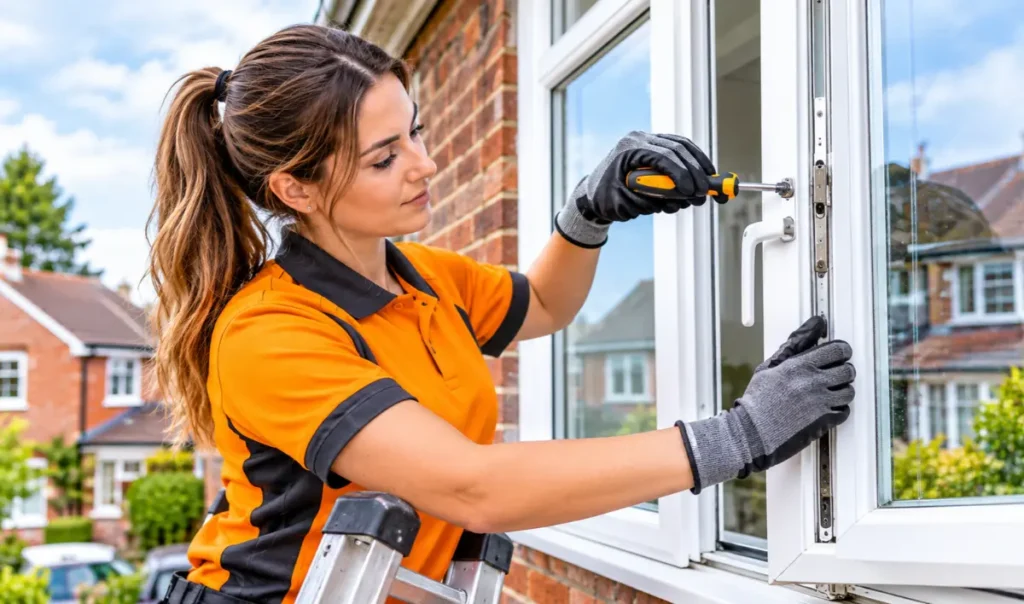
Any window or door that a shared house relies on as a way out has to open from the inside without a removable key, and that single rule sits at the centre of HMO escape window requirements in Southampton.
It sounds simple until a landlord fits a keyed lock to stop break ins, a tenant adds a lock of their own, or a repair leaves a sash that only opens a hand’s width. Each of those can turn a compliant window into a problem, usually without anyone noticing until an inspection or an emergency.
The Rules That Shape Every Window and Door Repair in a Shared House
A house in multiple occupation is a property lived in by three or more people who form two or more households, and students renting together count.
Southampton licenses every HMO with five or more occupants, and an additional scheme covers smaller HMOs in certain wards.
A window the fire risk assessment relies on as an escape route should open from the inside without a removable key.
The fire safety guidance the council points landlords to asks for an openable area of at least 0.33 square metres, with the opening at least 450mm high and 450mm wide.
The lower edge of that opening should sit no more than 1,100mm above the floor.
Final exit doors should open from the inside without a key, normally with a thumb turn.
Glass in or beside an exit door needs protecting, so nobody can break it and reach in to unlock the door.
The landlord or manager is responsible for keeping every one of these in working order.
Why a Shared House Is Treated Differently From a Family Home
The council’s definition is based on how people live, not on how many tenancy agreements exist. Three unrelated friends renting one house form three households, so the house is an HMO even if they all signed a single agreement.
Fire safety expectations are tougher because the risk is different. People sleep in separate rooms, some do not know the layout well, and nobody is looking out for the whole building. Windows and doors are the first things a fire plan leans on when the stairs are blocked.
In Southampton the picture changes street by street. Older terraces in Portswood and Swaythling are a classic shared house, and the extra licensing area for smaller HMOs also covers wards such as Shirley, Freemantle, Bassett and Millbrook. The council publishes the current list of wards, so check it before assuming a three or four person house falls outside the scheme.
Responsibility for keeping everything working sits with the landlord or manager. The management rules for HMOs expect the property to be kept in a safe condition, and windows and external doors are part of that. If you are unsure where a tenant’s liability for damage begins, the split between what a landlord must fix and what a tenant can be charged for explains the legal line.
Where a Window Counts as an Escape Route and Where It Does Not
Not every window in an HMO is an escape window. In most shared houses the main way out is the stair down to a final exit door, and the windows are simply windows.
A window starts to carry fire safety weight when the fire risk assessment relies on it. That tends to happen in a few situations: a lower risk two storey house where bedrooms use a window instead of a fully protected stair, a room that can only be reached by passing through another room, or a habitable basement room. In each case the guidance expects the window to be a real, usable exit, with the floor level no more than 4.5 metres above the ground.
The landlord has to produce a fire risk assessment for each individual HMO, and the council’s own HMO regulations and safety page sets out that duty and points to the fire safety guidance it works from.
So the practical question for any repair is simple. Ask which windows the assessment relies on, because those are the ones where nothing about the opening, the handle or the lock should change without checking first.
What a Window Has to Do Before It Can Count as a Way Out
The opening has to be big enough
The guidance sets measurements for a window used for emergency escape. It should have an unobstructed openable area of at least 0.33 square metres, a clear height and width of at least 450mm each, and a bottom edge no more than 1,100mm above the floor.
Those figures describe the gap a person can actually climb through, not the size of the frame. A sash that stops partway, a limiter that holds it a hand’s width open, or a casement that has dropped and catches on the frame can fall well short even though the window looks full size.
It has to open from the inside without a removable key
This is the rule landlords trip over most. A window that needs a key you carry, or a key kept in a drawer downstairs, cannot be counted on by someone who has just been woken by an alarm.
A keyed locking handle on an escape window fails that test, however sensible it feels as a security measure. Fittings that release by hand from the inside are what the guidance points towards, and the council’s licensing team can confirm whether a particular fitting suits your property.
The route to the window and the ground outside matter too
The guidance also expects each room served by an escape window to reach it without passing through another habitable room that has a lockable door, unless that lock can be overridden from outside without a key, tool or code. It suggests the tenancy agreement should ideally stop tenants fitting extra or alternative locks.
Outside, the ground below should be level and clear of obstacles such as railings, a conservatory roof or a basement well, and the window should lead somewhere safe, clear of the building.
How Ordinary Repairs Quietly Break the Standard
Most problems do not come from a bad plan. They come from a sensible repair that nobody checked against the plan.
A limiter or worn stay that holds the sash part open
Limiters are common on upper floor windows in shared houses, and they are perfectly sensible on windows that are not part of the escape route. On one that is, a limiter cuts the clear opening, so measure what is left and check with the council before leaving it in place. A worn stay that lets the sash drift shut has the same effect.
A key lock added for security
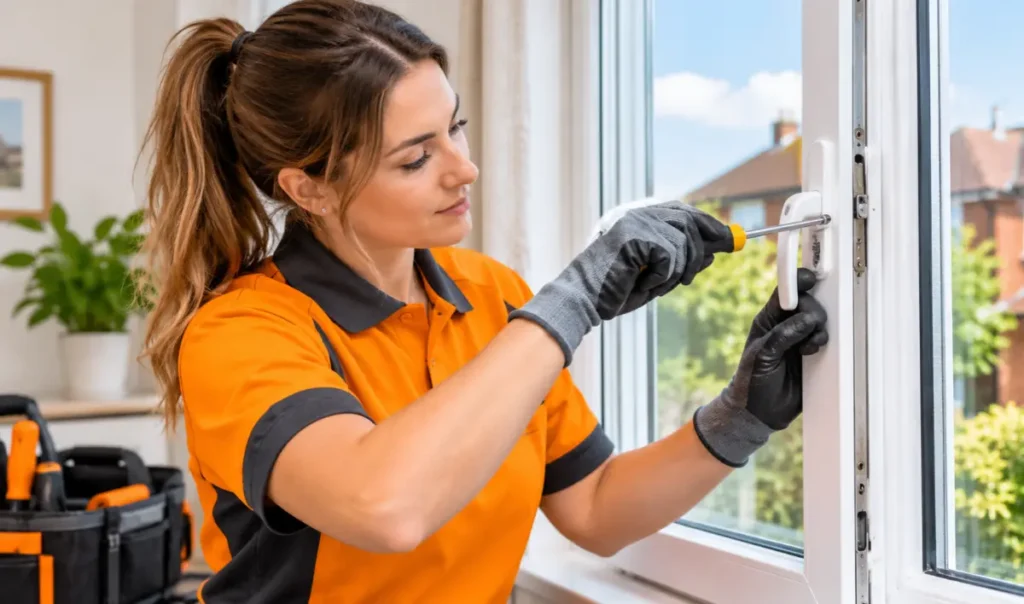
Ground floor windows in a shared house are an easy target, and a landlord who has had a break in often reaches for a keyed lock. On an escape window that is the wrong answer. When the window is part of the way out, have a keyed window lock swapped for one that opens freely from inside and get your security from sound glazing, a well fitting frame and locks on the windows that are not escape routes.
Hardware or glass that changes the opening
A fixed pane costs less than a new opening sash, so it can look attractive on a quote. On a window the assessment relies on, it removes the exit altogether. A replacement frame with a deeper profile can also trim the clear opening. When a sealed unit fails, it is the glass that should change, not what the window can do.
Exit Doors, Thumb Turns and the Glass Beside Them
The guidance says final exit doors should open from the inside without a removable key, and that this should always be the case in an HMO, shared houses included. Where a security lock is fitted, it should have a thumb turn on the inside.
That works until the glass becomes the weak point. A thumb turn sits within easy reach of any glazed panel, so anyone who breaks the glass can reach in and unlock the door. The guidance suggests protecting glazed panels in or beside the door, using protected glazing or another measure that stops intruders.
Cylinder swaps need care too. Sharers lose keys, tenants move out with copies, and a landlord who changes the cylinder in a hurry may end up with a key needed on both sides. Fit a type with a thumb turn on the inside, and keep it that way.
If your house has self contained rooms or bedsit style units, the guidance strongly recommends the same for each unit’s own entrance door.
Why Shared Houses Wear Hardware Out Faster
One front door in a house of five or six people gets used far more than the same door in a family home. Doors get slammed, handles get lifted and leaned on, and bags get dropped against frames. The multipoint lock inside takes the strain, which is why dropped doors, stiff handles and failing cylinders show up sooner.
Windows are opened, left open and forced shut by different people with different habits, and nobody feels it is their job to report a fault. Small problems wait until they are big ones.
Fault patterns also vary across the city. The fault patterns that show up across SO14 to SO17 are a useful read if you manage houses in more than one part of Southampton, from Portswood and Shirley to Bitterne and Woolston.
A Walk Round Worth Doing Before the Council or a Glazier Does It for You
Twenty minutes with the fire risk assessment in your hand is enough to spot most problems. Do it in each house, and again whenever the tenants change.
Checking the windows
Open each escape window fully from the inside and check it stays open without being held.
Measure the clear opening, not the frame, against the figures above.
Check the handle releases without a key, and that nothing has been stored against or screwed to the frame.
Look for limiters, extra locks or fittings that tenants have added.
Make sure the route to the window is clear, and that no bedroom door in the way has a lock you cannot override.
Check the ground outside is level and free of obstructions.
Checking the doors
- Stand inside the front and back doors and open them without a key.
- Check the thumb turn moves freely and the door still latches properly.
- Look at any glass in or beside the door and ask whether someone could break it and reach the thumb turn.
- Watch for a door that drags, because one that sticks under pressure is slower to leave by.
If a door drags or has dropped, a communal front door that has started to drag under constant use is usually a hinge and alignment job rather than a new door.
Mistakes That Cost Landlords the Most
Treating every window as if it were the same
Only some windows carry escape duties. Find out which, and mark them in your records.
Picking the cheapest fix without asking what it changes
A fixed pane, a limiter or a keyed handle can each save money on the day and cause trouble later.
Leaving a lock or limiter behind when the tenant who wanted it has gone
New tenants inherit the fitting and the problem.
Not telling the glazier the house is an HMO
A glazier who knows which windows are escape windows will leave them opening freely and tell you if a requested fix would not.
Keeping no record of what was done
Hold on to the fire risk assessment, a note of each repair and photos showing the opening and the lock after the work.
Getting the Work Done When Five People Share One Set of Keys
Access is the part that slows repairs in shared houses. Nobody is sure who should let the glazier in, one tenant is away, and a bedroom door is locked.
A tenant’s bedroom is their home, so visits to it should be agreed with them in advance rather than assumed. Choose one person in the house as the contact, share a list of the faults you know about, and group them into a single visit so the work is done in one go.
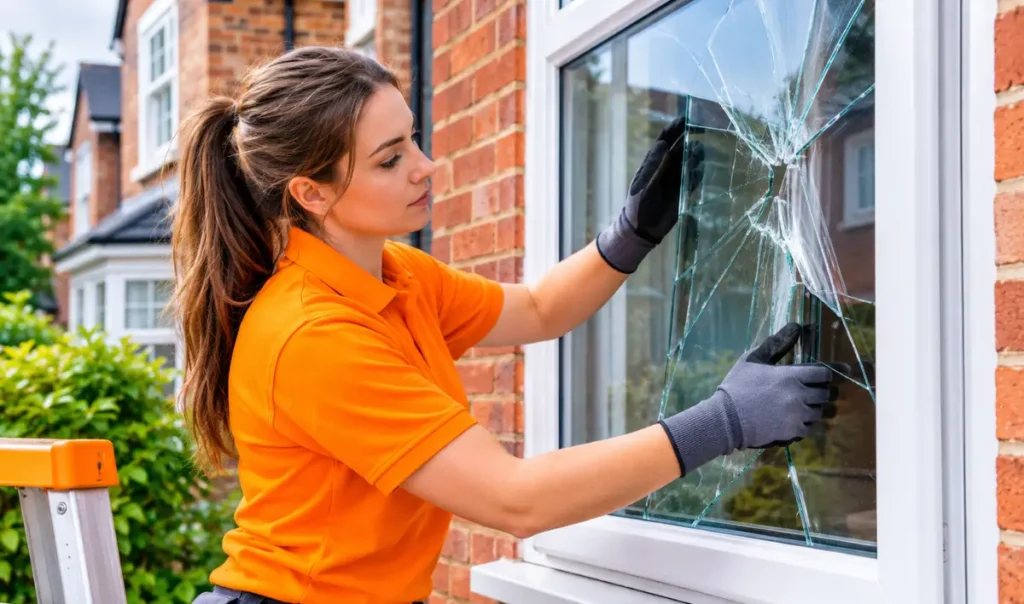
For a broken ground floor pane, get the opening made secure first and then arrange the proper repair. Before the glazier leaves, ask them to confirm that each escape window still opens fully and releases without a key, and keep the invoice with your records.
Questions Landlords and Tenants Ask About HMO Windows and Doors
Can I fit a key lock to a bedroom window in a Southampton HMO?
Not on a window the fire risk assessment relies on as an escape route, because that window should open from the inside without a removable key. On other windows the licence conditions and the assessment decide, so confirm with the council’s HMO team before fitting anything.
Does every window in a shared house have to be an escape window?
No. Only windows the fire risk assessment relies on carry the escape requirements. In many houses the main way out is the stair and a final exit door. If you are not sure which windows count in your property, check the assessment first and then ask the council.
Who pays when a window or door lock in an HMO breaks?
The landlord or manager is responsible for keeping windows and external doors in repair, so wear and tear, a failed seal or a worn lock is theirs to deal with. The cost can move to tenants where they or their guests caused the damage.
Do small shared houses in Southampton need a licence?
Mandatory licensing applies at five or more occupants. Smaller HMOs fall under an additional scheme in certain wards, including Portswood, Shirley, Freemantle, Bassett, Millbrook and Swaythling. The council’s published standards apply to every HMO, licensed or not, so check its current criteria before assuming you are exempt.
Where This Leaves a Southampton Landlord
A good glazing repair in an HMO puts a window or door back to working order without changing what it can do in an emergency. That is the test to hold every quote against.
Know which windows your fire risk assessment relies on, keep escape windows and exit doors free of key operated fittings, and protect the glass beside any thumb turn.
If you manage a shared house and want the windows and doors looked over with the fire plan in mind, talk to the Glaze Repair Southampton team and tell them it is an HMO and which windows the assessment relies on when you book.