The double glazing fault a home is likely to develop in Southampton depends heavily on which postcode it sits in, since double glazing repair Southampton postcodes vary in property age, distance from the coast, and typical window style, and each of those factors changes what tends to go wrong first. A dockside flat in SO14 rarely fails the same way as a Victorian terrace in SO17.
That difference is worth knowing before you book anyone out, since it can save a wasted call-out. If your fault is a broken pane rather than a general repair, our Broken Window Repair Southampton guide is the more direct read.
Why Postcode Actually Matters for Double Glazing Repair
Southampton’s four inner postcode districts, SO14 through SO17, cover very different building stock built across more than a century, from Edwardian terraces to 1960s estates to modern dockside developments. Older properties tend to have retrofitted UPVC units fitted into original openings, which age differently to the double glazing that came fitted as standard in newer builds.
Distance from Southampton Water also plays a real part. Properties nearer the docks and waterfront pick up more salt-laden air, which speeds up corrosion in seals, hinges, and locking mechanisms compared with homes further inland.
Knowing your postcode’s typical property age and its distance from the coast gives a reasonable head start on diagnosing a fault before an engineer even arrives.
SO14: City Centre and St Mary’s
SO14 covers Southampton’s city centre and St Mary’s, an area that mixes older housing stock near the docks with a growing number of modern apartment developments built over the past two decades.
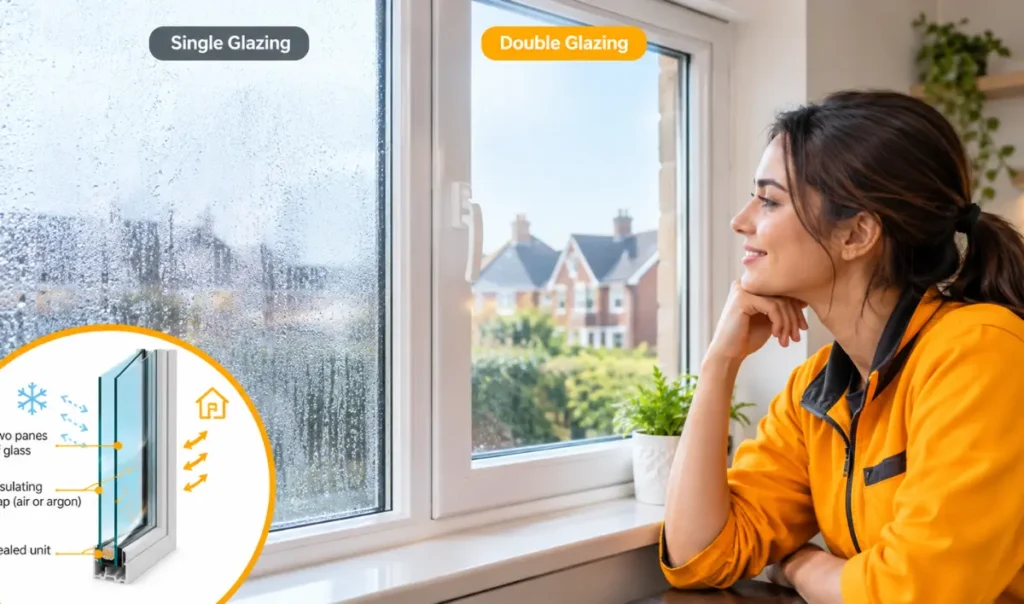
In the older terraced streets, the most common fault is misting between the panes, since many of these properties had UPVC units retrofitted into openings that were never designed for double glazing sealed units, and the seals fail earlier as a result. In the newer apartment blocks, faults tend to be mechanical rather than thermal, faulty espagnolette locks and stiff handles from heavy daily use are more typical than misted glass.
SO14’s proximity to Southampton Water also means components here are exposed to some of the highest salt content in the air of any postcode covered in this guide, so annual lubrication of hinges and locks is worth doing even before a fault appears.
SO15: Shirley, Freemantle and Maybush
SO15 takes in Shirley, Freemantle, Maybush, Millbrook, Polygon, Redbridge, and Regents Park, a mix of Victorian and Edwardian terraces alongside more recent infill housing. This is one of the most densely residential postcodes in the city, and it shows in the volume of general wear and tear faults reported here.
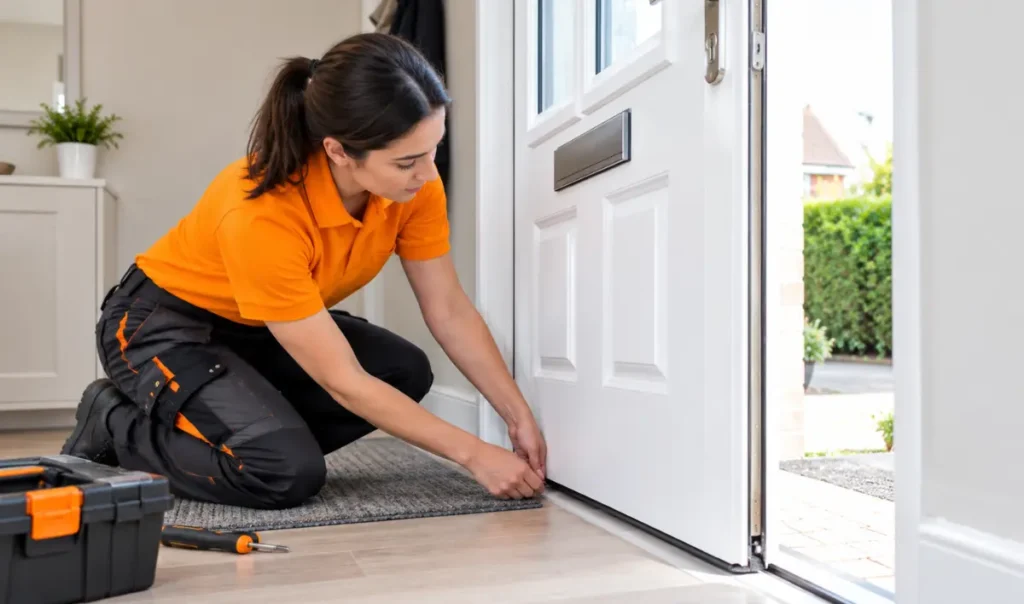
Dropped doors are the standout issue in SO15. The Victorian terraces in Shirley and Freemantle were built with narrower door openings than modern standards, and UPVC doors fitted into these frames over the years tend to settle and drop faster than doors on wider, more recently built openings, leading to handles that need lifting before the door will lock.
Draughty frames are the second most common fault reported across SO15, often linked to gaps that develop as older brickwork settles around a retrofitted frame rather than a fault with the glazing unit itself.
SO16: Bassett, Lordshill and Nursling
SO16 covers Bassett, Chilworth, Lordshill, Lordswood, Nursling, and Rownhams, mostly suburban housing built from the 1960s through to more recent developments further out toward Chilworth and Nursling. Being further inland and away from the coast, properties here generally see slower component wear than SO14 or SO19.
The most common fault in SO16 is condensation and misting linked to age rather than salt exposure, since a large share of the housing stock here dates to a similar era and original double glazed units are now reaching the end of their expected working life together. When one unit on a street starts misting, it is common for several nearby properties built in the same development to develop the same fault within a similar window.
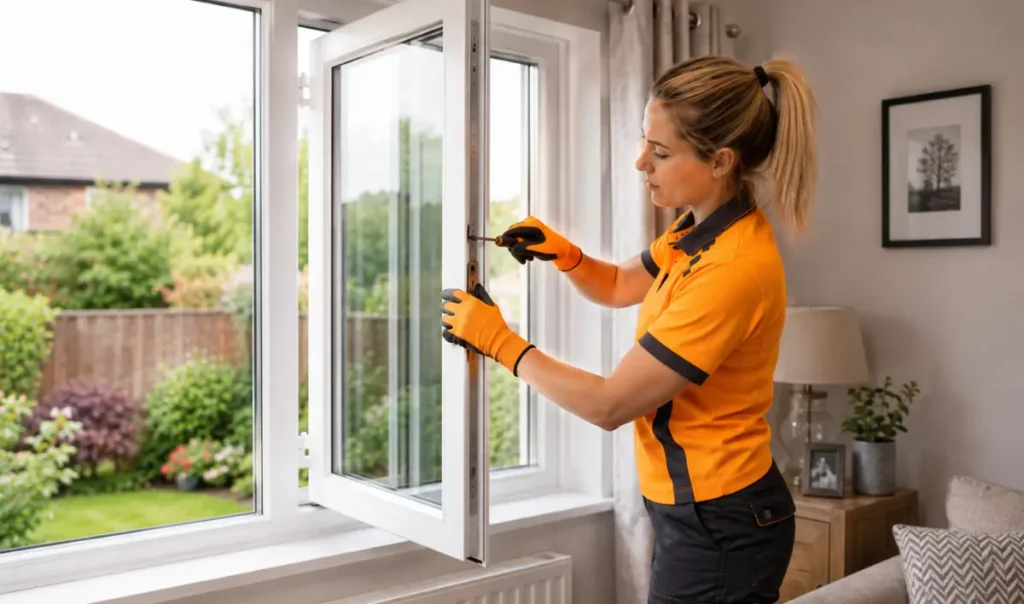
Broken or worn multipoint locks are the second most reported fault in this postcode, generally general mechanical wear rather than anything specific to the local environment. Our UPVC Lock Repair Southampton guide covers the exact fault types and costs if that matches what you are seeing.
SO17: Portswood, Highfield and St Denys
SO17 takes in Portswood, Highfield, St Denys, and Swaythling, an area with a large proportion of Edwardian and Victorian terraces, many converted into rented accommodation near the University of Southampton. High occupant turnover and heavier day to day use than owner occupied homes both show up in the fault patterns here.
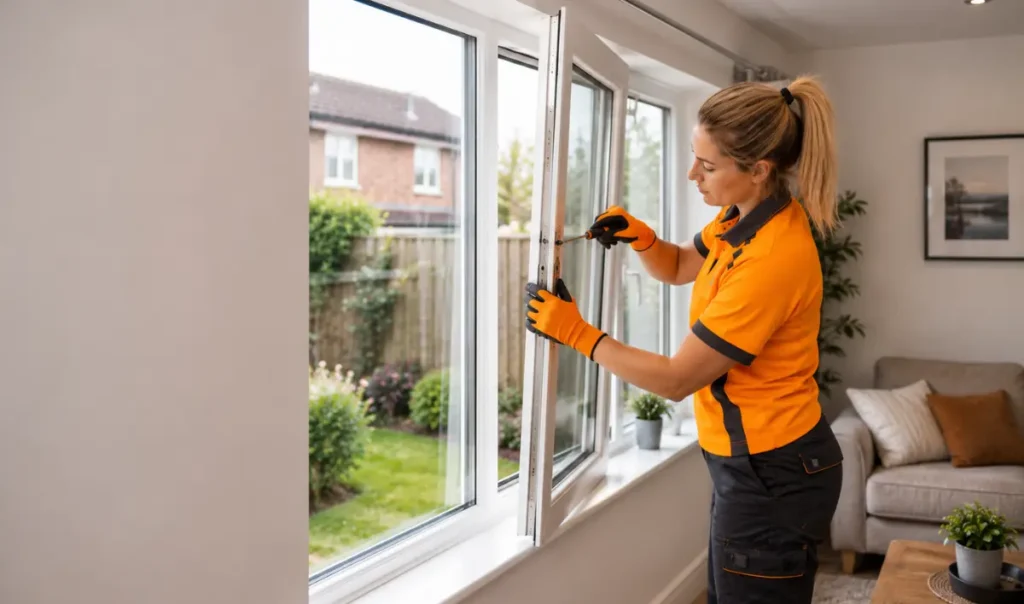
Handle and hinge wear is the most common issue reported in SO17, a direct result of frequent daily use across shared and rented properties. Faulty or worn locks are the second most common fault, again tied to higher usage rates rather than the building’s age or coastal exposure.
Because many SO17 properties are managed by landlords or letting agents rather than the person living there, response time and clear costs matter more here than almost anywhere else covered in this guide, since repairs often need approving remotely before a callout is booked.
Comparing the Four Postcodes at a Glance
| Postcode | Areas Covered | Typical Property Age | Most Common Fault |
| SO14 | City Centre, St Mary’s | Mixed, Victorian to modern | Misted units, faulty locks |
| SO15 | Shirley, Freemantle, Maybush | Victorian and Edwardian | Dropped doors, draughts |
| SO16 | Bassett, Lordshill, Nursling | 1960s to modern | Misting, worn locks |
| SO17 | Portswood, Highfield, St Denys | Victorian and Edwardian | Handle and hinge wear |
This table reflects general patterns rather than a guarantee for any individual property, and a short assessment is always the most reliable way to confirm the actual fault.
How to Check Which Postcode District You Are In
Most Southampton residents know their full postcode from post or bills, but the district code is simply the letters and first set of numbers before the space, SO15 from SO15 3AB, for example. If you are unsure, a quick check of a recent piece of post or your council tax bill will confirm it.
Knowing this before you call is genuinely useful, since it lets an engineer make a reasonable guess at the likely cause before they even arrive, particularly for the more common faults outlined above for each area.
Common Mistakes When Diagnosing a Postcode Specific Fault
Assuming every double glazing fault in an older property is age related is a common mistake, particularly in SO15 and SO17 where dropped doors and handle wear are often mistaken for failing glass units when the actual cause is entirely mechanical.
Ignoring salt exposure as a factor is another common oversight in SO14 and other properties near the waterfront, where components can fail years earlier than the same parts would in an inland postcode like SO16, simply due to environmental exposure rather than poor build quality.
Assuming a rented SO17 property’s repair needs the same approval process as an owner occupied home can also slow things down unnecessarily. Most reputable glaziers can provide a written quote suitable for landlord approval on the same visit as the initial assessment.
Frequently Asked Questions
Does my postcode actually affect what kind of double glazing repair I need?
Yes. Property age, typical window style, and distance from the coast all vary by postcode across Southampton, and each of those factors changes which fault is most likely to develop first in a given area.
Why do properties near Southampton’s waterfront seem to need more repairs?
Salt laden air from Southampton Water speeds up corrosion in seals, hinges, and locking mechanisms, so properties in postcodes like SO14 that sit closer to the docks tend to show component wear earlier than homes further inland.
Is a misted window in an older SO15 or SO17 terrace always a sign the whole unit needs replacing?
Not always. Misting between the panes does mean the seal has failed, but the surrounding frame, hinges, and locks are often still in good condition, so a unit replacement rather than a full door or window replacement is usually enough.
Can I get a repair quote for a rented property in SO17 without the tenant needing to be present?
Yes, most assessments can be arranged directly with the landlord or letting agent, and a written quote can be provided for approval without requiring the tenant to handle any part of the process.
How do I find out which SO postcode district covers my street?
Check the district code, the letters and first number set before the space on your full postcode, on any recent post, a council tax bill, or a delivery confirmation. If in doubt, mentioning your street name when you call is enough for us to confirm it for you.
The Final Thoughts
Where your property sits in Southampton genuinely changes what is most likely to go wrong with your double glazing, from coastal corrosion near the docks to dropped doors in older Shirley and Portswood terraces. Knowing the pattern for your area is a useful head start, but a short on site assessment is still the only way to confirm the actual fault.
Wherever you are across SO14 to SO17 and beyond, you can see our full range of glazing and door repair services or read our Double Glazing Repairs Southampton guide for a wider look at costs and common causes before booking an assessment.