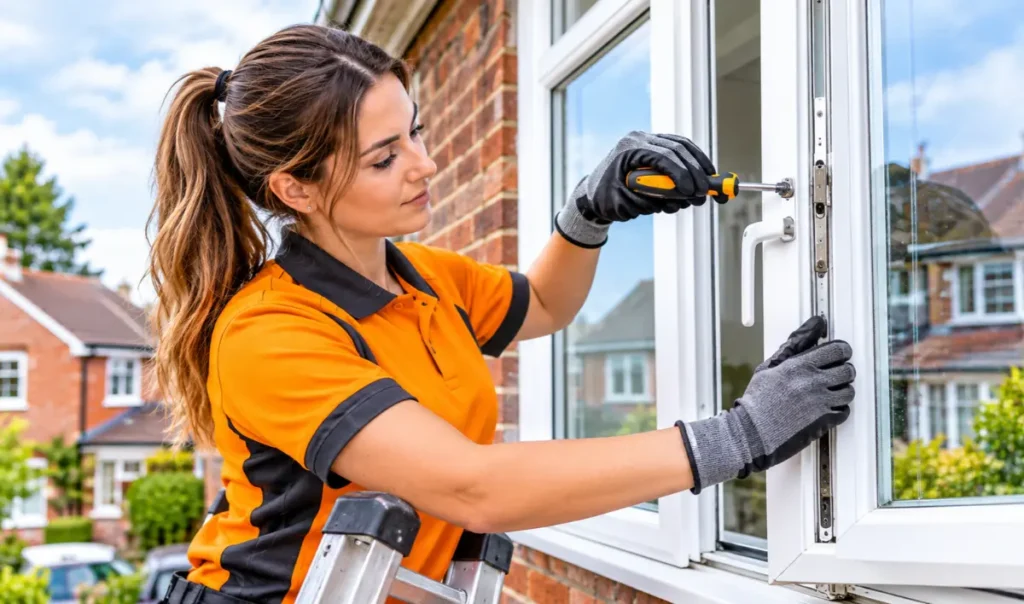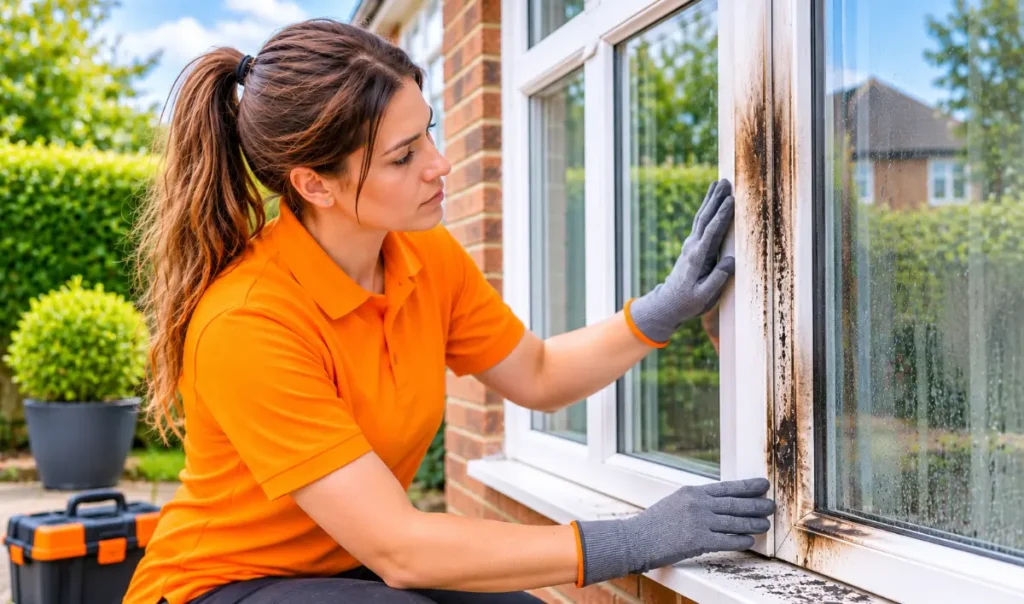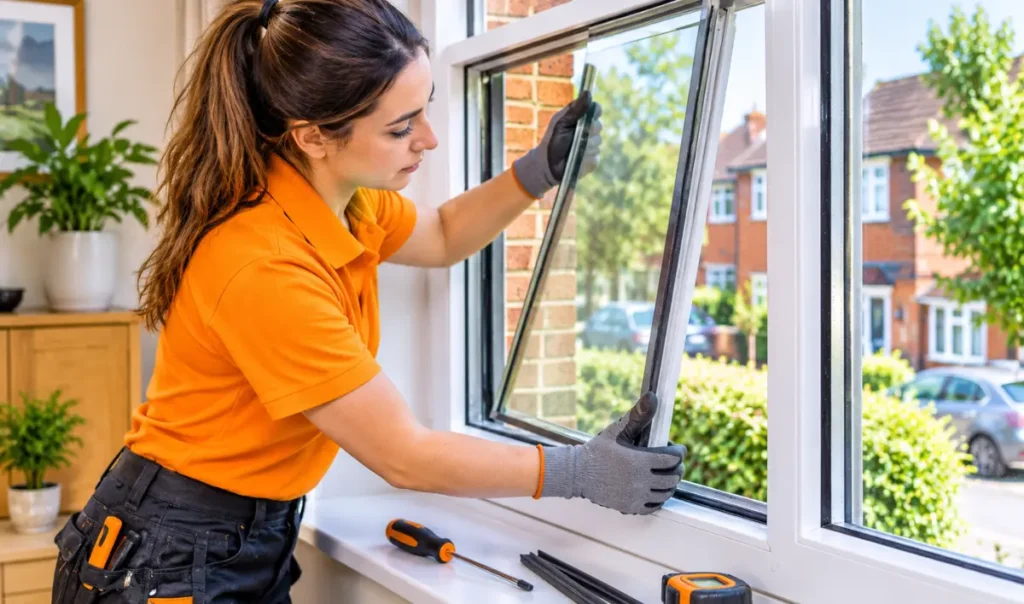

A replacement sealed unit can look slightly different from older windows beside it, mainly because of coating tint, spacer colour and glass clarity, but a careful installer can keep that difference close to unnoticeable. If you are arranging double glazing repair in Sholing, Thornhill, Peartree, and Harefield, the aim is to fix the failed pane and have it blend in with the rest of the house.
This worry comes up more than people admit. A homeowner has one misted or cracked unit, gets it replaced, and then sees that the new glass looks a touch greener, brighter, or more reflective than its neighbours. It is not a fault in most cases, but it is avoidable, and a few simple questions before the job make the difference.
This guide explains why new and old glass can look different, how to check what your existing windows have, what to ask for when you order, and when it makes sense to replace more than one unit at the same visit.
What Decides Whether a New Unit Blends In With the Old Ones
If you want the practical answer first, these are the points that matter for a house in SO19 or the neighbouring streets of SO18:
A modern unit usually carries a low emissivity coating on one inner surface, and that coating can add a faint blue, green or grey cast that older glass does not have.
The spacer bar around the edge of the unit is often a different colour from the one in an older window, silver on older units and commonly black or grey on newer ones.
Toughened glass in doors and low windows can show faint ripples or darker patches at an angle, which a neighbouring ordinary pane will not.
A difference in tint or edge colour is a cosmetic matter and does not mean the new unit is faulty.
Asking the installer to match the existing glass type before the unit is made is the best way to keep the difference small.
The rest of this page explains each point, starting with why mixed windows are so common across this part of the city.
Why So Many Houses Around Sholing, Thornhill and Peartree Carry Windows From Different Stages
Family housing across SO19, and the streets of Harefield next door in SO18, was built and then maintained over a long period by many different owners. That produces a pattern you can see on almost any road: houses whose windows were not all fitted at the same time.
One house, more than one set of windows
It is very common for a single home to have front windows from one installation, rear windows from another and a kitchen or bathroom window that was changed on its own. Each set may have been made by a different company using a different glass specification.
That is why a repair on one unit can look out of step. The glass already in the house is a mix, and the new unit has to sit alongside whichever neighbour it happens to be next to.
Neighbouring houses compared side by side
On a terrace or a row of semis, the front elevations sit next to each other in plain view. If one house has a new unit and the next has older glass, the difference is easier to spot from the pavement than from inside.
Most of the time this is nothing more than a slightly different reflection in the sun. It is worth knowing about before you book, because it shapes the specification you ask for.
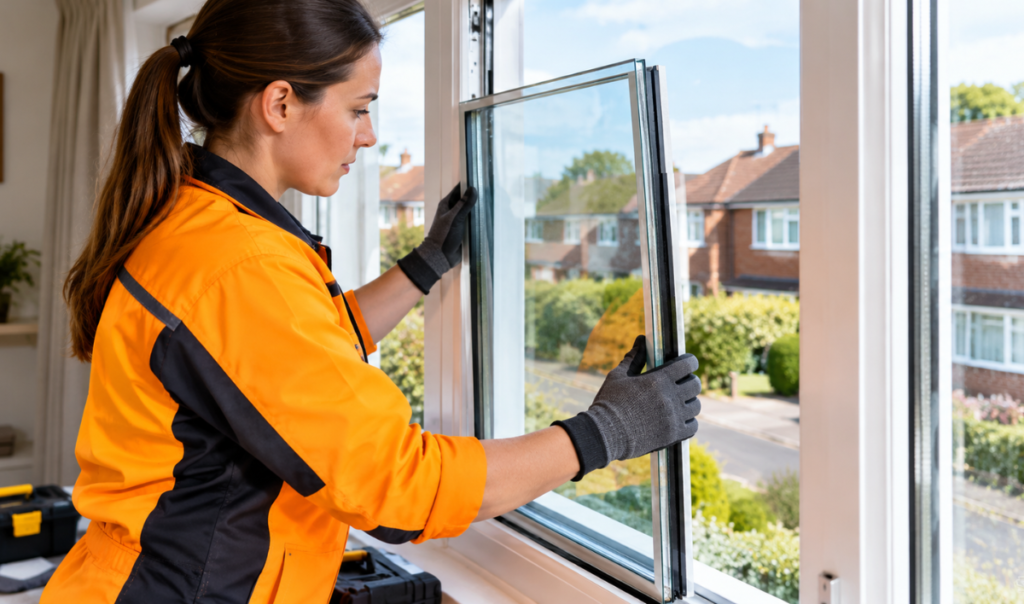
The Four Things That Make a New Unit Look Different
Almost every visible difference between a new unit and an old one comes down to one of four causes. Knowing which one applies tells you what to ask for.
The low emissivity coating and its faint tint
Modern replacement units normally include a low emissivity coating. It is a microscopically thin layer on one of the internal glass surfaces, facing the gap between the panes, and it reflects heat back into the room while letting daylight through.
That coating is nearly invisible, but not completely. Many coatings leave a slight cast that shows up as a faint blue, green or grey in certain light, and it is easier to see when you look along the glass than straight through it. Older units made without a coating look neutral by comparison.
Coatings are not all the same. Some are designed to be more neutral than others, which is one reason it is worth asking what the new unit will have before it is made.
The spacer bar around the edge
The spacer bar is the strip that holds the two panes apart at the edge of the unit. In older windows it is often a silver coloured metal, and in newer units a warm edge spacer in black or grey is common.
Seen from the inside, the spacer is a thin line around the glass. If it is a different colour from the units next to it, your eye catches it straight away, particularly on a bright window with a dark frame behind it.
A warm edge spacer also brings a real benefit. The glass near the edge stays warmer, which is part of why newer units tend to stay clearer at the edges than older ones.
The clarity and flatness of the glass
Ordinary clear glass has a very slight green tone, which is easiest to see at the cut edge. Different manufacturers and different glass types vary a little, so two clear panes bought from different sources can differ in brightness.
Toughened glass adds another effect. The heat treatment can leave faint ripples in the surface and, at certain angles or through polarised sunglasses, darker patches. This is normal for toughened glass and is more likely in doors and low windows than in a standard upstairs pane.
Fitting toughened glass in a door or beside one is a safety requirement and not a choice, so the cosmetic difference is something to accept rather than avoid.
Reflection in bright light
A coated surface reflects light differently from an uncoated one. In strong sun, the new unit can appear a little more reflective or a different shade from the windows beside it, and the difference changes with the angle you are standing at.
From inside the house you usually will not notice it at all. From the street, on a bright afternoon, it can be more visible, which is why people tend to spot it only after the job is finished.
Is a Difference in Appearance a Fault?
No. A new unit that looks marginally different from an older neighbour is working normally. The cast comes from a coating that is doing its job, and the spacer colour tells you nothing about how well the unit will perform.
What does count as a fault is different. Cloudiness or droplets between the panes means the seal has failed. A visible crack or chip is damage. Warped, bent or badly distorted glass is a defect. A slight tint, a different edge colour or a faint ripple in toughened glass is not.
If you are unsure which situation you have, take a photo and compare it with the other windows in daylight. Our page on fitting a new sealed unit into the frame you already own explains what a failed unit looks like and what the replacement involves.
How to Check What Your Existing Windows Already Have
You can learn a good deal about the glass in your house in a few minutes, without any tools. The information helps the installer match the new unit and helps you judge a quote.
Look at the spacer and the edge
Stand close to a window and look at the thin strip around the edge of the glass between the panes. Note whether it looks like silver metal or like a dark grey or black plastic style strip. Photograph it.
Some units also carry a small stamp on the spacer or etched into a corner of the glass. Take a close photo of it, because it can help the manufacturer identify the type of unit.
Try the reflection test
In a darkened room, hold a phone torch a short distance from the glass and look at the reflections of the light. A double glazed unit shows several reflections, one from each glass surface. If a coating is present, one reflection often appears in a noticeably different colour from the others.
Do not use a naked flame for this. A phone torch works just as well and is safe. The test is a guide rather than proof, so treat it as a clue to share with the installer.
Compare more than one window
Check the same detail on a window from each part of the house. If the front and back windows look different, they probably came from different installations, and you will want to tell the installer which one the new unit has to sit beside.
What to Ask For So the New Unit Blends In
A short conversation before the unit is ordered is the cheapest way to avoid a visible mismatch. The questions below take a couple of minutes.
Ask the installer to record the existing specification
Ask them to note the spacer colour, the type of glass and whether there is any coating or pattern on the units next to the failed one. Ask them to match it where that is possible.
Where an exact match is not available, a coating chosen to be neutral will usually look closer to older glass than a stronger one will.
Ask about glass thickness and fit
The new unit has to fit the frame properly, so its overall thickness and the pane thickness should suit the existing rebate. Our guide to what the thickness numbers on a unit mean for a repair explains why this matters and how the numbers work.
The thickness affects fit and sound control, not colour, so it is a separate question from the one about tint.
Ask to see the glass beside the old pane
If you can, ask the installer to hold a sample of the proposed glass against the existing window before the order goes in. Compare it in daylight rather than under a ceiling light.
It takes a minute and settles most doubts. If the sample looks clearly different, ask whether another coating or glass type would sit closer.
When It Makes Sense to Replace Neighbouring Units Together
Sometimes the best way to avoid a mismatch is to change more than the one failed unit.
Units of the same age tend to fail close together
Sealed units made and fitted together age at a similar rate. If one on a run of identical windows has failed, the others may follow within a reasonable time, and you may be booking another callout sooner than you would like.
Replacing two or three at the same visit gives a matching set and saves a second callout. It also removes the mismatch problem, because the new units all come from the same batch.
Matching a run on the same elevation
A front bay or a row of windows along the same wall is looked at as a whole from the street. One unit that looks different stands out more here than it would on a lone window at the side.
If you are going to replace one unit on a front elevation, consider whether the rest are close to the end of their life as well. A short assessment will tell you.
When the frame is the real problem
A new unit fitted into a tired frame will not solve a frame that has warped or is no longer holding the glass securely. In that case it can make more sense to replace the whole run of windows on one side of the house in one go.
The honest answer comes from looking at the frames and the glazing together, and a good installer will say so rather than selling you a repair that will not last.
Ordering Mistakes That Leave One Window Looking Odd
A handful of errors account for most of the unhappy results people report after a unit has been replaced.
Ordering from the measurements alone is the biggest. A unit made to the right size but the wrong specification will fit perfectly and still look out of place. The size is only half of what the manufacturer needs.
Choosing the cheapest standard unit without asking about coating or spacer is the second. The lowest price option is not always the closest match, and it is worth asking what the difference is.
Judging the result before cleaning the neighbours is the third. New glass looks brighter and clearer next to older glass that has built up a film of dirt over time, so clean the surrounding windows before you decide that something looks wrong.
Finally, many people forget about safety glass. If the pane sits in or beside a door, or low down in a window, it needs to be toughened or laminated, and that will affect how it looks alongside an ordinary neighbour.
What a Visit Looks Like in Sholing, Thornhill, Peartree and Harefield
Glaze Repair Southampton carries out sealed unit replacement and related glazing repairs across SO19 and the SO18 streets next to it, including Sholing, Thornhill, Peartree and Harefield.
The usual sequence is simple. You describe the fault and send a couple of clear photos. The unit is measured on site, the existing glass is checked so the new one can be matched, and the replacement is made to fit your frame.
Once the unit has been made, fitting is normally quick. If you tell the installer about neighbouring units that look similar in age, they can advise whether it is worth doing them together.
Common Questions From Sholing, Thornhill and Peartree Homeowners
Will a replacement sealed unit match my old windows exactly?
Usually it will be very close, but a perfect match is not always possible. Older units may have no coating at all, while a modern one will, and the spacer colour can differ. Telling the installer what your existing windows have lets them choose the nearest option and keep any difference small.
Why does my new double glazed unit look slightly green or blue?
That is most likely the low emissivity coating. The coating is almost invisible, but some of them leave a faint cast, particularly when you look along the glass or in strong light. It does not affect performance, and a more neutral coating can reduce the effect if it bothers you.
Does a different spacer colour matter?
It is a cosmetic point and has no effect on how well the unit seals. A newer warm edge spacer actually performs better at the edge than an older metal one. If the colour bothers you, ask whether a spacer in a closer shade is available.
Should I replace the windows next to the failed one as well?
It is worth considering if they are the same age and sit on the same elevation, because similar units tend to fail around the same time. Doing several together gives a matching set and avoids another visit. If the neighbouring units are in good condition, replacing only the failed one is perfectly reasonable.
Do you cover Sholing, Thornhill, Peartree and Harefield?
Yes. Glaze Repair Southampton works across SO19 and the surrounding postcodes, including these areas. Send a photo of the window and a note about the nearby glass, and the right unit can be quoted.
Getting the New Unit to Blend In
A replacement unit does not have to look out of place. Check what your existing windows have, ask the installer to match it, compare a sample against the old pane in daylight and decide whether neighbouring units should be done at the same time.

If you have a misted, cracked or failing unit and want it replaced without it standing out, you can talk to Glaze Repair Southampton about the window and send a photo to get started.