Double glazed glass thickness refers to the combined measurement of both glass panes plus the gap between them, and it typically ranges from 20mm to 28mm in a standard UK home. Double glazed glass thickness matters far more than most homeowners realise, especially when a unit needs repairing or replacing, because the new glazing has to match the existing frame rebate exactly or it simply will not fit properly.
What Is Double Glazing Thickness, Exactly?
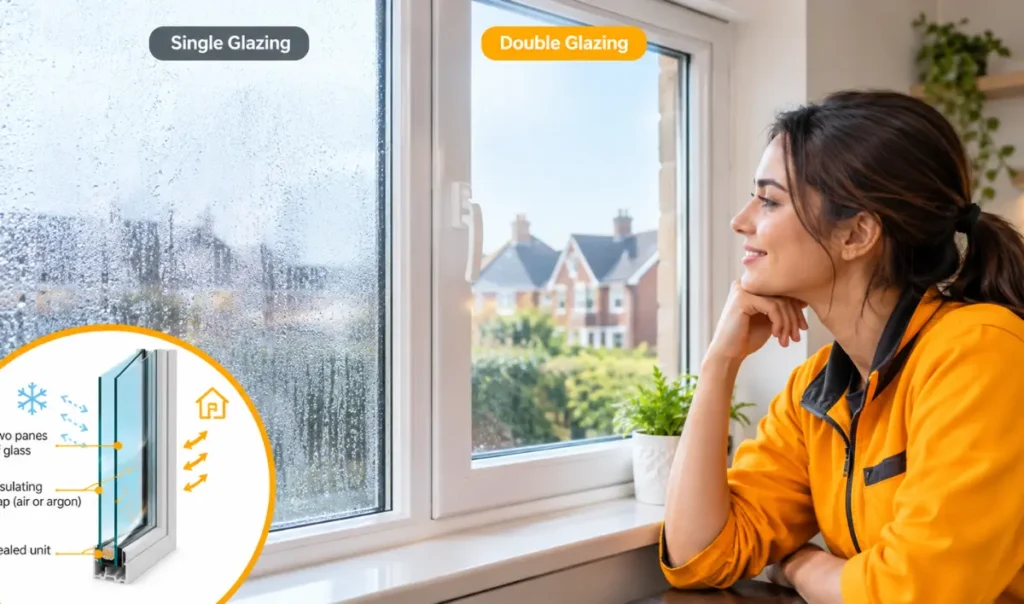
A double glazed unit is made up of two panes of glass held apart by a spacer bar, with the gap between them usually filled with air or an insulating gas such as argon. The overall thickness of the unit is the sum of both glass panes plus that spacer gap.
You will often see this written as a number sequence, such as 4-16-4mm. Read left to right, this tells you the first pane is 4mm thick, the gap is 16mm, and the second pane is another 4mm. Add those figures together and you get a total unit thickness of 24mm. This shorthand is standard across the glazing industry and is worth knowing if you ever need to describe your windows to a glazier over the phone. If your unit has already failed rather than just being an unknown quantity, our misted double glazing repairs Southampton page explains the repair process itself.
The spacer gap does more than just separate the glass. It houses the insulating gas fill and plays a major role in how well the window performs thermally and acoustically. A wider gap generally improves insulation up to a point, after which the benefit levels off.
Standard Double Glazing Thickness in the UK
Most homes in the UK use double glazed units somewhere between 20mm and 28mm overall. The most common configuration is 4-16-4mm, giving a 24mm unit, which fits comfortably into standard uPVC casement frames.
Flush casement windows, which sit closer to the outer face of the frame for a more traditional look, often use a slightly slimmer 24mm unit as well, though some flush systems are designed around 20mm units instead. Slimline units, built for retrofitting into older timber frames that were never designed for modern double glazing, can go as low as 14mm to 16mm, sacrificing a little thermal performance for a better physical fit.
At the other end of the scale, thicker units in the 28mm to 40mm range are used where extra sound insulation or security is a priority, such as homes near busy roads or properties with laminated safety glass built into the design. Anything beyond 40mm is unusual in residential settings and can create its own installation problems due to the added weight.
Why Thickness Matters When Replacing a Glazed Unit
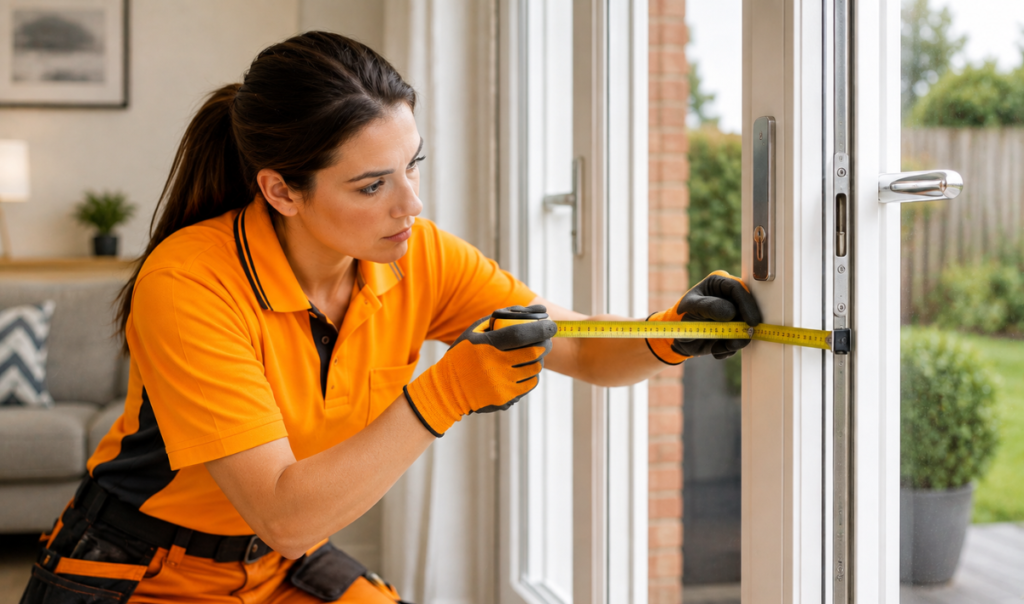
When a glazed unit needs repairing or swapping out due to a blown seal or cracked pane, thickness is one of the first things a glazier checks. The frame’s rebate, the recessed groove that holds the glass in place, is built to a specific depth. A replacement unit has to sit within that depth correctly, or the seal around the edge will not perform properly.
What Happens If the Replacement Unit Is the Wrong Thickness
Fitting a unit that is too thin for the rebate leaves gaps around the edge that can let in draughts and moisture, even if the glass itself is perfectly sound. Over time, this often leads to the same misting and seal failure problems you were trying to fix in the first place.
A unit that is too thick, on the other hand, may not seat into the rebate at all, or it can put pressure on the beading that holds it in place, leading to cracked or dislodged trim around the glass. In either case, getting the thickness wrong turns a straightforward glass swap into a repeat job in much the same way as fitting a unit into a frame that was never a good match in the first place, which we cover in Do Blown Windows Need Replacing, or Can They Be Repaired?. A GGF registered supplier will always confirm rebate depth before ordering, precisely to avoid this problem.
Factors That Affect the Right Thickness for Your Windows
Several things influence what thickness is right for a given window, and it is rarely just about picking the thickest option available.
Noise reduction is one of the biggest factors for homes on busier streets. A wider gap between panes, combined with panes of differing thickness, is far more effective at cutting down traffic noise than simply using thicker glass on both sides. This asymmetric approach disrupts sound frequencies more effectively than matched panes do.
Security is another consideration, particularly for ground floor windows and doors. Laminated glass, which sandwiches a tough interlayer between two panes, adds thickness but also makes the unit much harder to break through, which is why many door panels use it even when the surrounding window glass does not.
Property type plays a role too. Listed buildings and conservation areas in and around Southampton often have restrictions on how thick replacement glazing can be, since overly bulky units can visibly change the character of a period frame. If your property falls into this category, it is worth checking what is permitted before ordering a replacement unit.
Frame material also matters. Timber frames, especially older ones, were frequently built around thinner single glazing and may need a slimline double glazed unit to fit without altering the frame itself. uPVC and aluminium frames tend to be more standardised and generally accommodate the common 24mm to 28mm range without modification.
How to Check the Thickness of Your Existing Double Glazing
If you want to know what thickness your current windows use before calling a glazier, there is a simple way to get a reasonably accurate estimate without removing the glass.
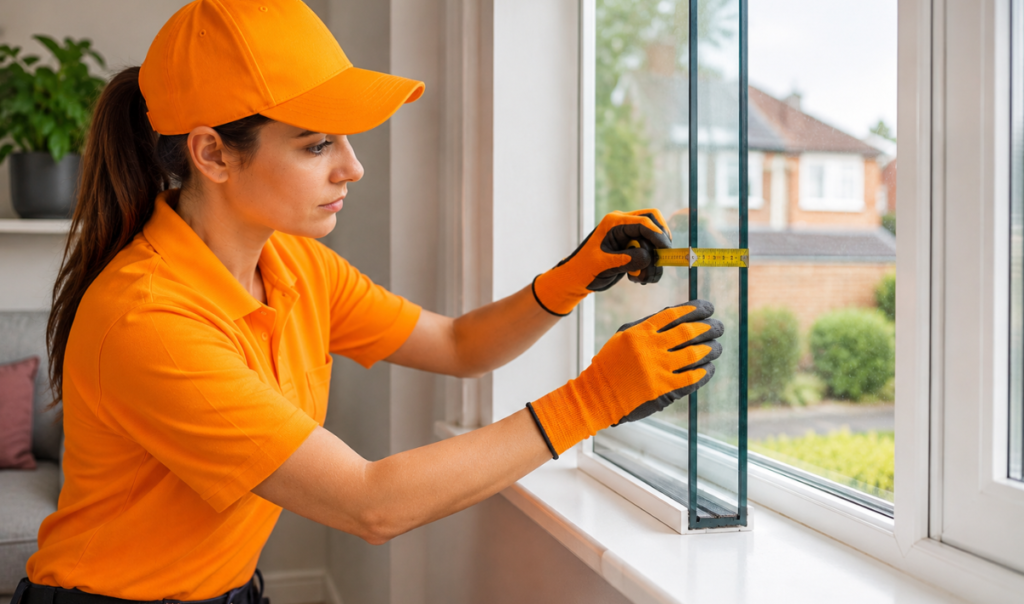
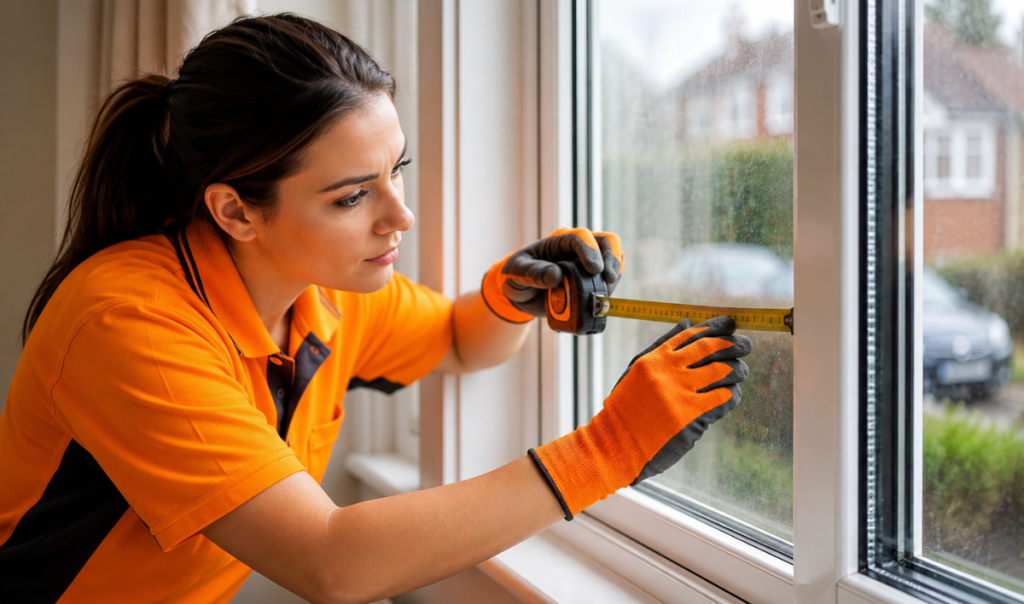
Measure the depth of the frame rebate from the outer edge of the beading to where the glass sits, on both the inside and outside of the window. Subtract any draught proofing strips or gaskets from that measurement, and what remains is a close approximation of your glazing unit’s overall thickness.
For an exact figure, a glazier can check this in a couple of minutes during an on-site visit, since they carry the right tools to measure without disturbing the seal. This is usually worth doing anyway if you are getting a quote, since it avoids any mismatch between what is ordered and what actually fits.
Common Mistakes When Matching Glass Thickness During a Repair
One of the most frequent issues homeowners run into is assuming that any double glazed unit will fit any double glazed frame, simply because both are labelled “double glazing.” In reality, spacer bar width and glass pane thickness vary enough between manufacturers and eras that a unit ordered without checking the original specification can arrive the wrong size entirely.
Another common mistake is upgrading to a much thicker unit purely for better insulation, without checking whether the frame and beading can actually accommodate the extra depth. This can result in a unit that technically fits but puts ongoing stress on the frame, shortening its lifespan.
It is also easy to overlook that mismatched panes, where the inner and outer glass are different thicknesses, are sometimes intentional rather than an error. This asymmetric design is often used deliberately for acoustic performance, so it should not automatically be treated as something to correct during a repair.
Frequently Asked Questions
What is the standard thickness of double glazing in the UK?
Most UK homes use double glazed units between 24mm and 28mm overall, typically made up of two 4mm glass panes with a 16mm to 20mm gas filled gap between them.
Does thicker double glazing mean better insulation?
Not always. Insulation depends on the combination of pane thickness, gap width, gas fill, and any coatings applied to the glass, so a well designed 24mm unit can outperform a poorly specified thicker one.
Can I replace a glazed unit with a different thickness than the original?
It is possible within a small margin, but the replacement must still fit the frame’s rebate depth correctly. A glazier will check this before ordering to avoid a unit that does not seat properly.
How do I know what thickness my current windows are?
You can estimate it by measuring the frame rebate depth, or a glazier can measure it precisely during a site visit, which is the more reliable option if you are planning a repair or replacement.
Is thicker glass always better for noise reduction?
No. Using two panes of different thicknesses with a wider gap between them is usually more effective at blocking outside noise than simply increasing the thickness of both panes equally.
Final Thoughts
Glass thickness might sound like a minor technical detail, but it directly affects whether a repair fits properly, performs well, and lasts. Whether you are dealing with a blown unit, planning a like for like replacement, or considering an upgrade for noise or security reasons, getting the thickness right the first time saves you from paying for the same repair twice. If you are unsure what your current windows measure, having a glazier check on site is the quickest way to get an accurate answer before any work begins. You can see our full double glazing repair services in Southampton here.