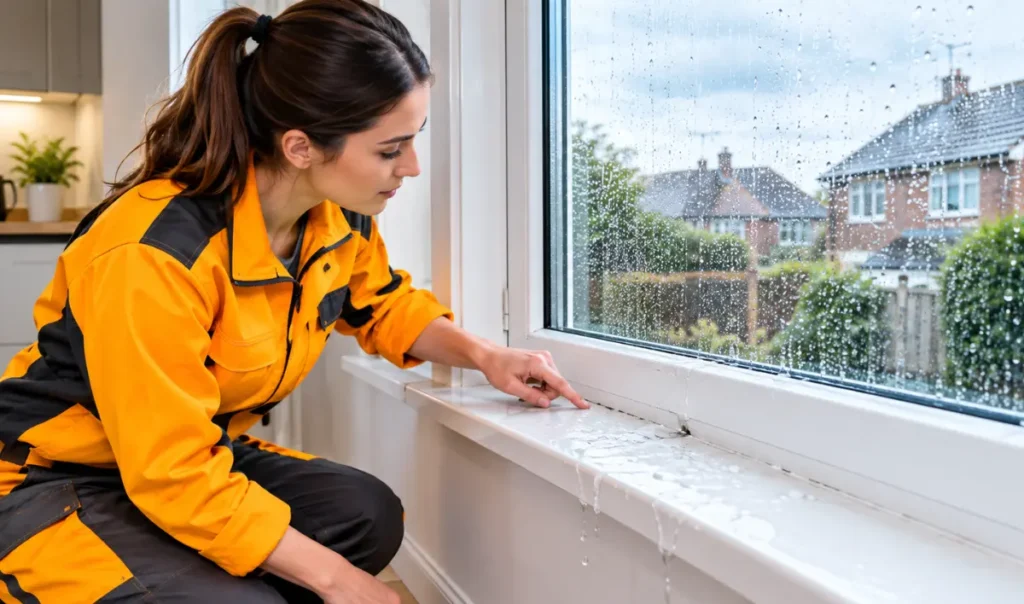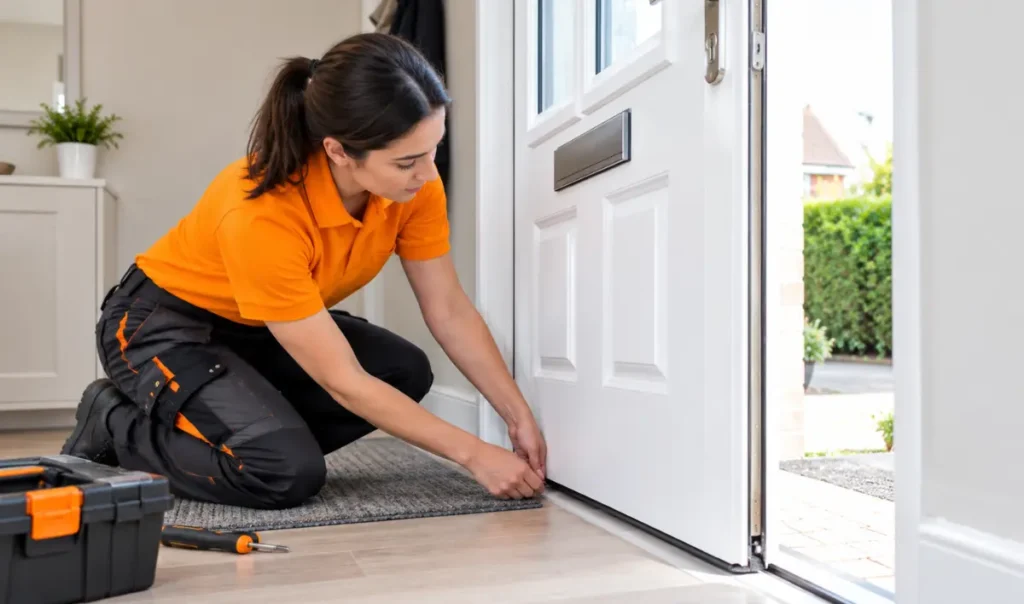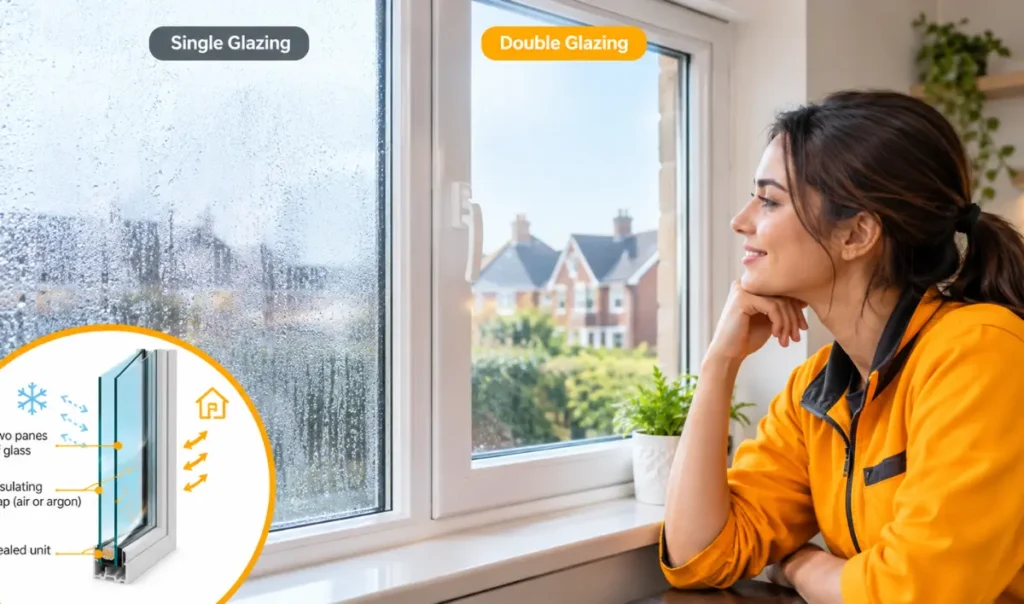

A single failed window seal can push the heat loss through that window up by around 30 percent, effectively dragging a double glazed unit down toward single glazing performance. Multiply that across several ageing windows in a typical Southampton home and the extra cost on your heating bill stops being a rounding error and starts being real money leaving the house every winter without you noticing where it went.
Most homeowners only think about their window seals when the glass mists over or a draught becomes impossible to ignore. By that point, the cost of a failed window seal has usually been quietly adding to your bills for months, sometimes years, before it announced itself in a way you could actually see.
Why a Failed Seal Costs More Than a Broken Pane Ever Would
A cracked or broken pane is obvious. You notice it immediately, book a repair, and the problem is fixed within days. A failed seal is different, because it fails slowly and often invisibly, and the heating system simply compensates by working harder without anyone realising why the bill has crept upward.
The seal’s job is to keep the insulating gas layer, usually argon, trapped between the two panes of glass. Once that seal breaks down, the gas escapes and is replaced by ordinary air, which conducts heat far less efficiently as an insulator. The glass can still look perfectly clear at this stage, long before any visible misting appears, which is exactly why so many failed seals go unnoticed for so long.
Where the Heat Actually Escapes From Your Home
Windows account for somewhere between 15 and 20 percent of a typical UK home’s total heat loss, according to widely cited Energy Saving Trust estimates, with older or single glazed properties often losing considerably more. That figure already assumes windows are performing as intended. Once a seal has failed, that same window behaves closer to a much older, poorly insulated unit, regardless of how new the frame around it looks.
It helps to picture the whole house rather than just the window. Roofs, walls, and floors account for the largest single shares of heat loss in most properties, but windows are the part occupants actually feel, since cold air moving near a failed seal creates a noticeable cold spot in the room long before the thermostat reading changes. People respond to that cold spot by turning the heating up rather than addressing the actual source, which compounds the waste rather than solving it.
What This Actually Adds Up To Across a Southampton Property
Industry estimates for a typical semi-detached home suggest that repairing a handful of failed seals can save somewhere in the region of £60 to £285 a year, depending on how many windows are affected and how poorly they were performing beforehand. That range is wide because the real number depends heavily on the property itself, its size, how many windows have failed seals, and how the home is heated.
What stays consistent across most estimates is the direction of travel. A failed seal never makes a window perform better, and the cost of leaving it unfixed accumulates every single winter it goes unaddressed, not just once. A homeowner who ignores a failed seal for three heating seasons hasn’t lost three years of a one off cost. They’ve paid the inflated bill three times over, on top of whatever the repair itself would have cost from the very first winter.
Southampton’s Coastal Exposure Makes Seals Fail Faster
Properties near Southampton Water and along the docks side of the city sit in a slightly harsher environment than inland housing, with salt carried on the air and near constant humidity accelerating the breakdown of rubber and silicone seals well before their expected lifespan runs out. A seal rated to last fifteen to twenty years inland can begin failing noticeably earlier on a coastal facing property, particularly on windows that catch the prevailing wind directly.
This doesn’t mean coastal properties are doomed to constant repairs. It means the inspection interval that works fine for an inland home in Chandler’s Ford might leave a Woolston or Weston property with a failed seal going unnoticed for longer than it should, simply because the assumption about how long seals last doesn’t hold up as well that close to the water.
How to Tell If a Seal Has Actually Failed
Visible misting between the panes is the clearest sign, but it’s also one of the later signs rather than the earliest. A cold draught along the edge of the frame that wasn’t there previously is often the first indication something has changed, particularly on a still day when there’s no obvious reason for cold air to be moving near the glass at all.
Condensation forming on the inside face of the glass more often or more heavily than it used to is another early flag, especially if it’s happening on windows that never used to fog up in the same way. A noticeable jump in your heating bill without any change in how you’re using the heating system is a less obvious sign, but it’s one worth taking seriously if it coincides with any of the physical symptoms above.
Running a hand slowly around the edge of a closed window frame on a cold day is a simple, low effort check most homeowners can do themselves. A sudden cool patch where the rest of the frame feels sealed usually points directly at the failing area.
Fixing It Versus Living With It
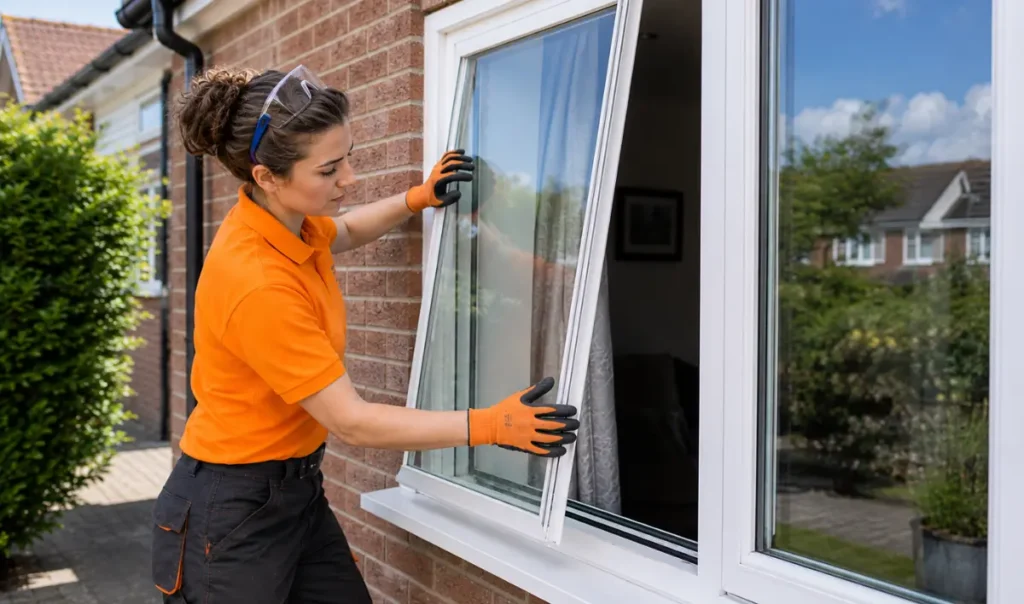
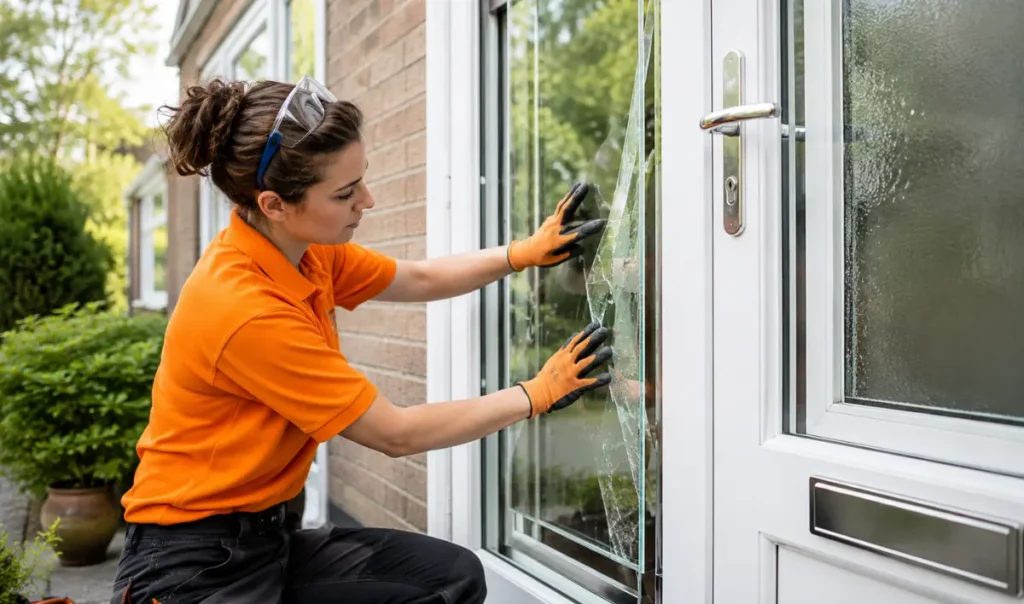
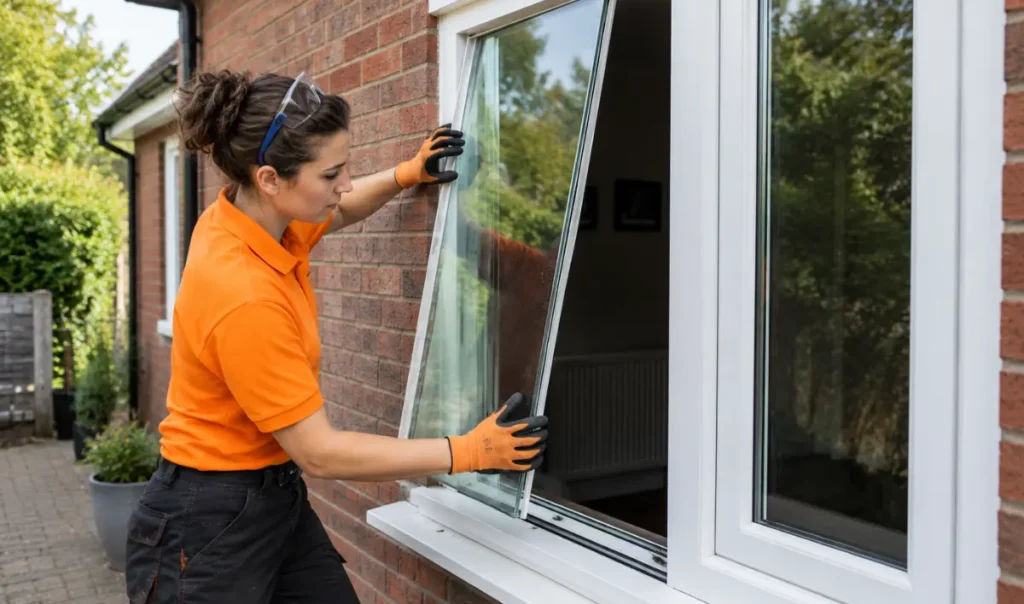
For most Southampton properties, resealing or replacing the failed unit is a relatively contained job that doesn’t require touching the frame at all, provided the frame itself is still sound. Our misted window repair service deals with exactly this kind of failed seal repair, swapping the affected unit for a new one without disturbing the rest of the window.
Where the picture is more involved is when several units across the property have failed around the same time, which does happen when windows were all installed together and are now reaching the end of their expected lifespan simultaneously. In that situation, it’s worth having a proper conversation about whether repairing each unit individually still makes financial sense compared to a full upgrade, and our double glazing replacement service is the right starting point for that comparison.
Repair or Replace: Working Out Which Makes Sense for Your Bills
The maths generally favours repair when the frame is sound and only one or two units have failed, since the repair cost is far lower than a full replacement and the thermal performance improvement is nearly identical either way. Our guide on repairing versus replacing double glazing across Southampton walks through this comparison in more detail if you’re weighing up several affected windows at once rather than a single unit.
Replacement starts to make more sense once the frame itself is contributing to the problem, whether that’s warping, poor alignment, or hardware that no longer seats properly regardless of what’s fitted inside it. Our breakdown of double glazing replacement cost, lifespan and when it’s actually worth it covers exactly this decision point for homeowners trying to work out whether they’re past the point where repair alone will resolve things.
Common Mistakes Homeowners Make With Failed Seals
Assuming a window is fine simply because the glass still looks clear is the most common mistake, since a seal can fail well before any visible misting appears and the heat loss begins immediately, not once you can finally see the fog.
Turning the heating up to compensate rather than investigating the actual cause is another frequent response, and it’s an expensive one, since it treats the symptom every single day rather than fixing the underlying fault once.
Waiting for a single window to fail completely before addressing seals across the whole property is also common, even when several units were fitted at the same time and are likely approaching the same point of failure together.
Frequently Asked Questions
How much extra does a failed window seal really cost on heating bills?
Estimates vary by property, but a failed seal can increase heat loss through that window by around 30 percent, and repairing seals across a typical home can save somewhere between £60 and £285 a year depending on how many windows are affected.
Can a window seal fail without any visible misting?
Yes. A cold draught, a cool patch on the frame, or heavier condensation on the inside of the glass can all appear well before visible fog develops between the panes, and the heat loss begins from the moment the seal fails rather than from when it becomes visible.
Is it worth repairing one failed seal or waiting until more windows fail?
It’s almost always worth repairing a failed seal as soon as it’s identified, since the cost accumulates every heating season it’s left unaddressed. Waiting doesn’t reduce the eventual repair cost, it just adds the ongoing energy waste on top of it.
Do Southampton’s coastal properties see seals fail faster than inland homes?
Often, yes. Salt laden air and near constant humidity near Southampton Water can accelerate the breakdown of rubber and silicone seals, meaning coastal facing windows sometimes need attention earlier than the typical fifteen to twenty year seal lifespan would suggest.
How do I know if I need a seal repair or a full window replacement?
If the frame is sound and only one or two units have failed, a seal or sealed unit repair is usually sufficient and far more cost effective. Replacement becomes the better option once the frame itself is warped, misaligned, or contributing to the draught alongside the failed seal.
Final Thoughts
A failed window seal rarely announces itself loudly. It shows up as a slightly colder room, a heating bill that creeps upward for no obvious reason, or a faint draught you’ve half noticed for weeks without investigating. None of those symptoms feel urgent on their own, which is exactly why the cost of ignoring them adds up so quietly over an entire heating season.
If any of this sounds familiar, it’s worth getting in touch with our Southampton team for a straightforward assessment before another winter passes. For independent background on window energy performance and accreditation standards across the industry, the Glass and Glazing Federation is a useful reference point alongside anything a local glazier tells you directly.