A blown window does not always need replacing. In most cases, only the glass unit inside the frame has failed, and a glazier can swap that unit out while leaving the rest of the window in place. Do blown windows need replacing is really a question of how bad the seal failure is and whether the frame itself is still sound.
What Is a Blown Window?
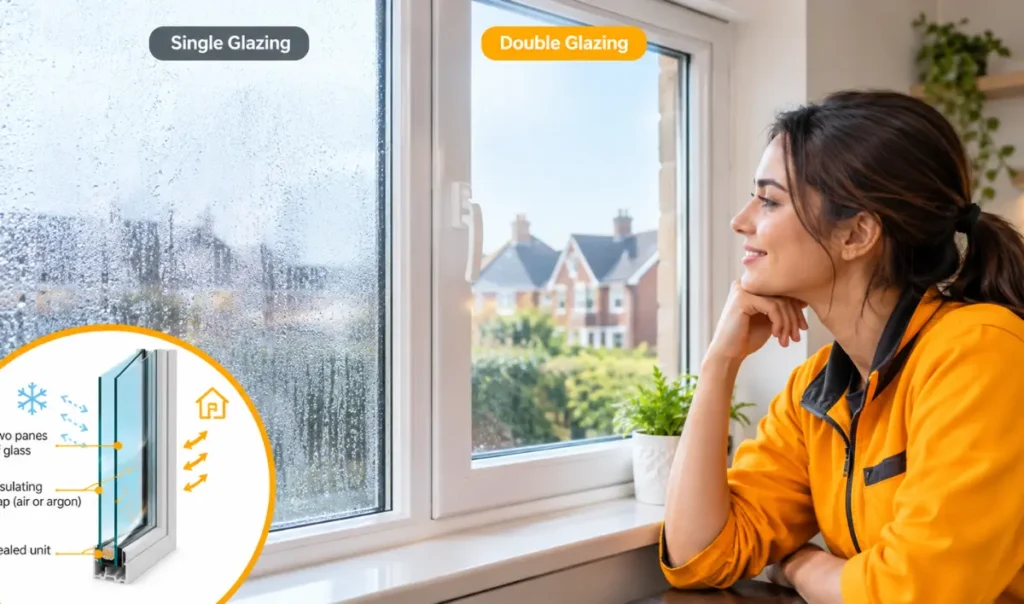
A double glazed window is built from two panes of glass with a sealed gap between them, usually filled with air or an inert gas like argon. That gap is what gives the window its insulating power. When the seal around the edge of the unit breaks down, air and moisture from outside start working their way in.
Once moisture gets into that gap, it condenses on the inside faces of the glass. That is what people mean when they say a window has “blown.” The glass itself is rarely broken. It is the seal that has failed, and with it, the window’s ability to keep the cold and damp where they belong. If this sounds like what you are seeing on your own windows, our misted double glazing repairs Southampton page covers the full range of fixes we offer.
Signs Your Window Has Blown
The most obvious sign is a patch of fog or haze between the panes that will not clear no matter how much you wipe the inside or outside of the glass. This is different from ordinary condensation, which sits on the surface and disappears once the room warms up.
You might also notice the glass looking slightly cloudy or discoloured even on dry days, a faint white residue building up in the corners of the unit, or cold air seeping in around a window that used to feel draught free. In older units, water can occasionally track down the inside of the frame, which is a sign the seal failure has been going on for a while.

Can a Blown Window Be Repaired, or Does It Need Full Replacement?
This is where most homeowners get stuck, and the honest answer is that it depends on what exactly has failed.
When Repair Is Possible
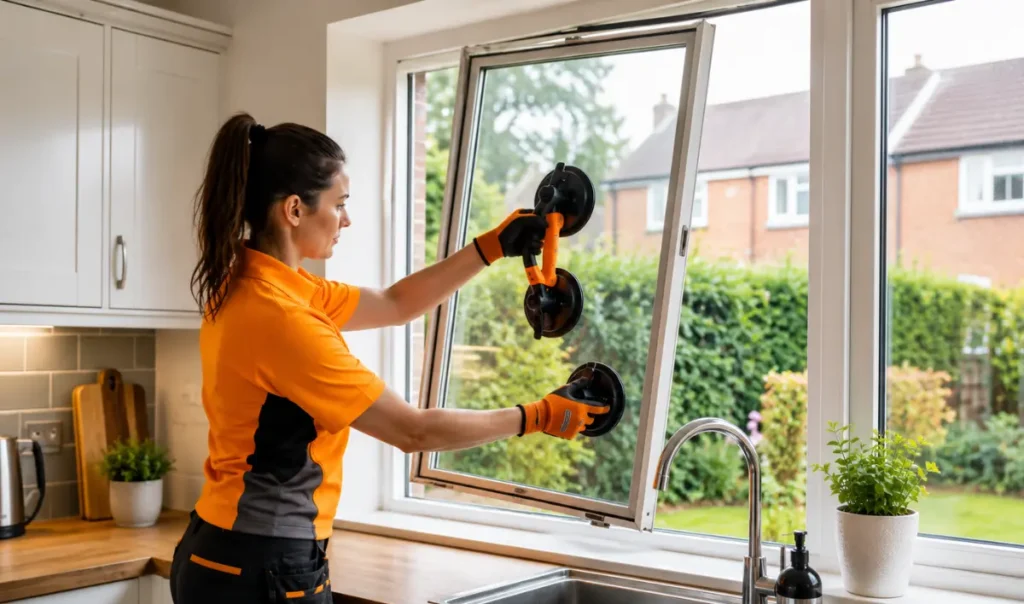
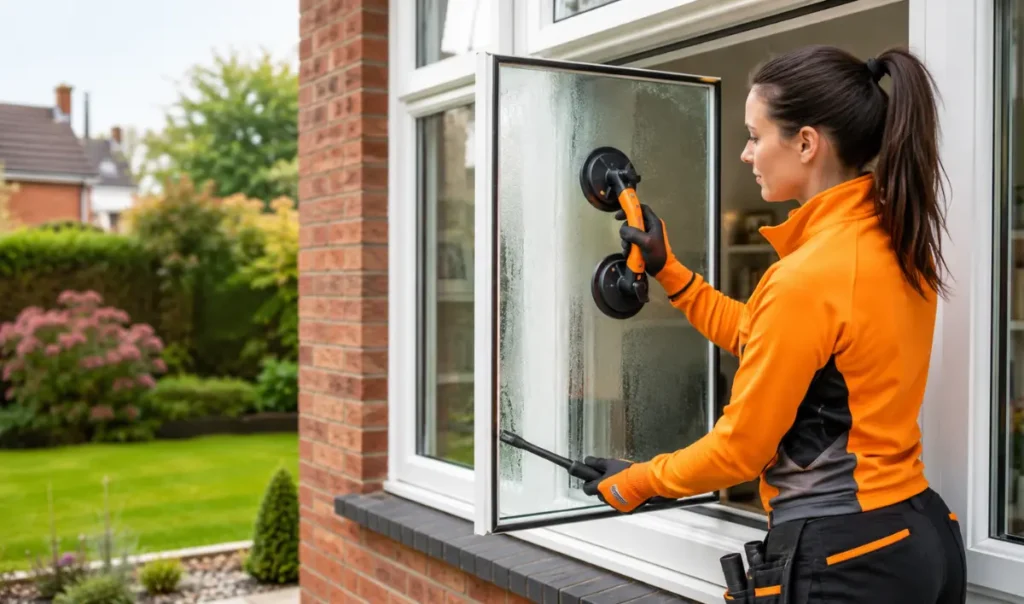
If the frame is still square, undamaged, and free of rot or warping, a glazier can usually remove just the glazed unit and fit a new one in its place. This is standard practice for uPVC and aluminium frames, and it is often possible for timber frames too, provided the wood around the rebate has not started to soften.
This kind of repair typically takes under an hour per window and restores full clarity and insulation without touching the surrounding frame, sill, or hardware.
When Replacement Is the Better Option
Full replacement becomes the more sensible choice when the frame itself has deteriorated, when the window is very old and the glass no longer meets current thermal standards, or when several units in the same window have failed at once. In these cases, paying for a new glazed unit in a frame that is already on its way out is rarely good value.
If you are already dealing with a stiff handle, a lock that will not catch, or a hinge that has started to sag, it is worth having the whole window assessed rather than fixing the glass in isolation.
What Happens If You Leave a Blown Window Untreated
A blown window will not fix itself, and leaving it will not make the problem smaller. The trapped moisture keeps building, which gradually reduces the insulating value of the unit and pushes your heating costs up over time. In timber framed windows specifically, prolonged moisture exposure can start to affect the wood around the frame, turning a straightforward glass swap into a more involved repair. When choosing who to book, it is worth checking they are registered with a recognised body such as FENSA, which confirms the installer meets current UK building regulations for glazing work
There is also a simple visual cost. A permanently misted window is one of the first things visitors and prospective buyers notice, and it is a detail that makes a home look less cared for than it actually is.
What to Expect From a Professional Repair in Southampton
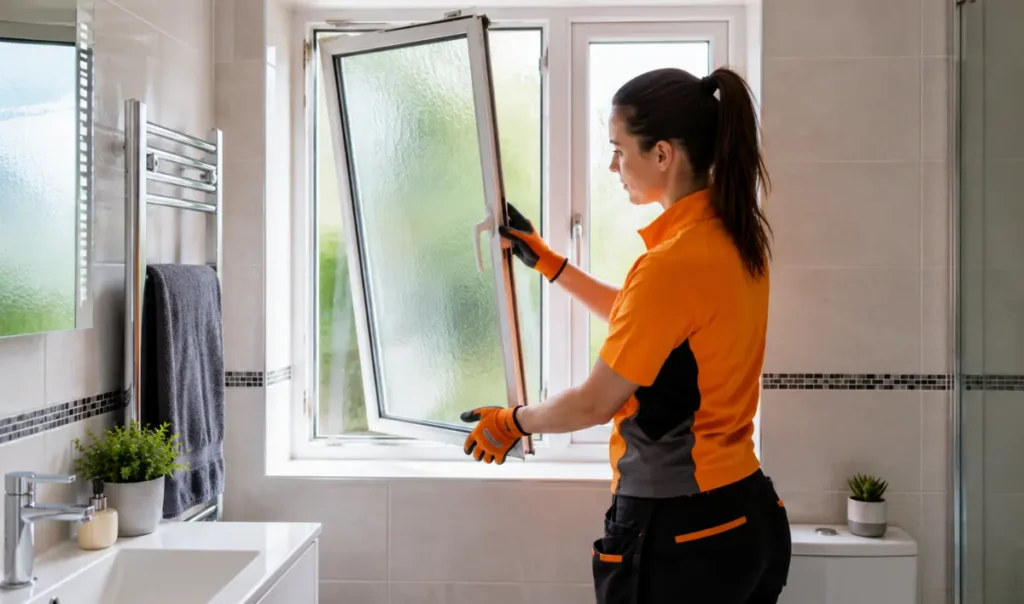
A glazier will start by checking the frame condition, confirming the exact size and specification of the failed unit, and measuring for a replacement that matches your home’s existing glazing. For most standard sized windows, the whole job is completed in a single visit.
Attempting this yourself is possible in theory, but getting an airtight seal without the right tools is difficult, and a poor seal will simply blow again within a year or two. A professional fit protects the window’s energy performance and, in most cases, keeps any manufacturer warranty on the glazing intact.
Frequently Asked Questions
How much does it cost to fix a blown window?
Costs vary by pane size and window type, but replacing a single glazed unit is almost always cheaper than replacing the entire window. A glazier can give you an exact figure once they have seen the size and condition of the unit in person.
Can I fix a blown window myself?
It is not recommended. Getting a proper airtight seal requires specific tools and materials, and a poorly sealed unit will fog up again within a short time, meaning you end up paying for the job twice.
How long does a blown window repair take?
Most single unit replacements are completed within an hour once the glazier has the correct replacement pane in hand. Larger or custom sized units may need to be ordered in advance, which can add a few days to the timeline.
Will a blown window get worse if I ignore it?
Yes. The trapped moisture does not resolve on its own, and over time it reduces the window’s insulating performance and can begin to affect the surrounding frame, particularly on timber windows.
Does a blown window affect my home’s energy efficiency?
It does. Once the seal fails, the insulating gas or air layer between the panes is compromised, so the window loses much of its ability to keep heat in and cold out, which shows up as a draught or a colder room.
The final Thoughts
Most blown windows can be fixed with a straightforward glass unit replacement, provided the surrounding frame is still in good condition. Full window replacement only becomes necessary when the frame itself has failed or when the window is old enough that a like for like repair no longer makes financial sense. If you are noticing fog between your panes, getting it assessed sooner rather than later keeps your options open and your repair bill lower.
.