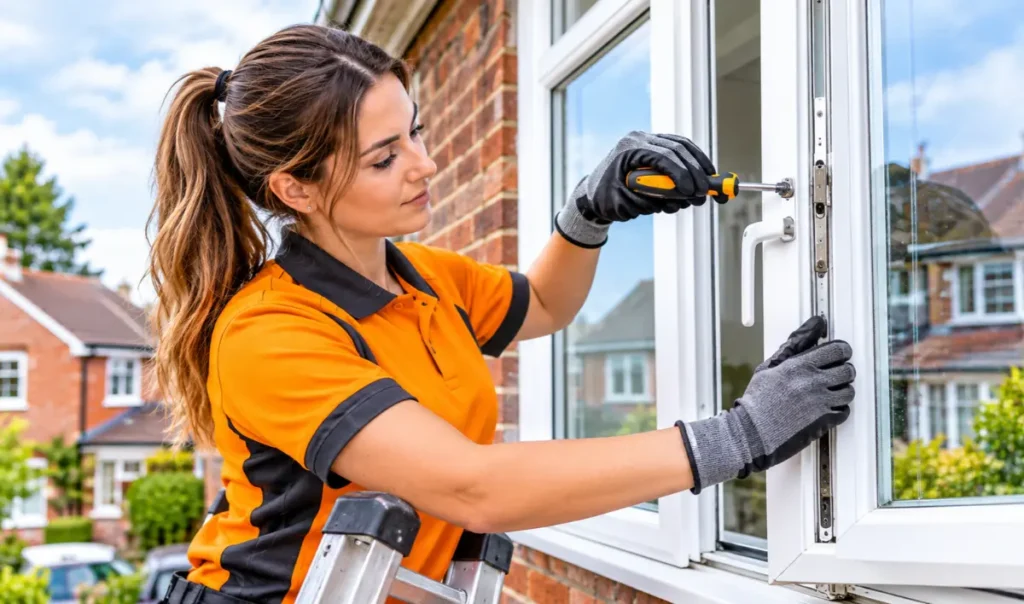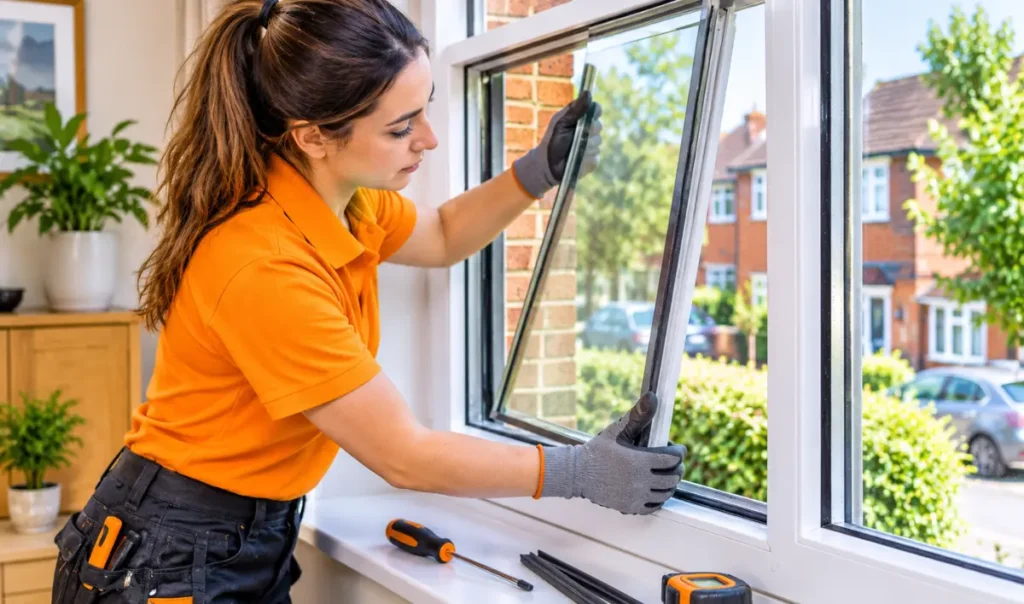

Double glazing repair in Lordshill can usually be priced with confidence before an engineer arrives, provided you send clear photos, a short description of what the window or door is doing, and the details printed on the sealed unit itself.
That matters because most people searching for a glazier in SO16 are not browsing. They have a misted pane, a cracked unit or a door that will not lock, and they want a number, a date, and a name they can trust without rearranging a working day around a survey.
This guide is written for homes across Lordshill, Lordswood, Bassett, Chilworth, Nursling, and Rownhams. It explains what to photograph, what to read off the glass, what to measure and what to leave alone, how to judge a written quote when it lands, and which faults should skip the quote stage altogether.
What a Glazier Needs From You to Name a Realistic Price
These are the details that turn a vague enquiry into a usable guide price:
Two or three photos of the fault: one from a few steps back showing the whole window or door, and one close up of the problem
A line or two describing what you see, or what happens when you use it
Whether the glass is clear, frosted, patterned or carries a faint tint
The mark printed on the spacer bar inside the sealed unit, if you can read it
Which floor the window is on, and whether anything blocks access to it
How many windows or doors show the same fault
Your street or postcode, so the visit and any parts can be planned properly
With those in hand, a glazing engineer can usually separate the jobs that are a straightforward sealed unit swap from the ones that need a closer look at the frame, and can say so before anyone drives out.
A guide price is not the same as a fixed price. The final figure is confirmed once sizes and specification are checked in person, but a good guide price should land close, and it should come with a clear explanation of what could move it.
Why Lordshill, Lordswood and Bassett Homes Suit a Photo First Approach
SO16 is mostly suburban. You will find estate style semis and terraces in Lordshill and Lordswood, larger detached homes around Bassett and Chilworth, and newer builds toward Nursling and Rownhams. Many of these homes were glazed as a complete set, so the windows inside one house tend to share the same size range, frame style and construction.
That is useful when you are asking for a price. If one unit has failed, the others were made the same way, and a photo of one often tells a glazier most of what they need to know about the rest. It also means standard sized units are common here, and standard sizes are the easiest jobs to price from a distance. If you want to see how typical faults change from one part of the city to the next, the way glazing problems differ from one Southampton postcode to the next is worth a quick read before you contact anyone.
Because SO16 sits inland, the usual story is gradual wear rather than rapid corrosion. Seals soften, hinges loosen and locks stiffen through ordinary use. That pattern is predictable, which is exactly what makes a remote guide price realistic.
Unusual shapes are the exception. Arched tops, leaded patterns, large bays and glazing in a conservatory roof usually need someone on site before a figure can be trusted.
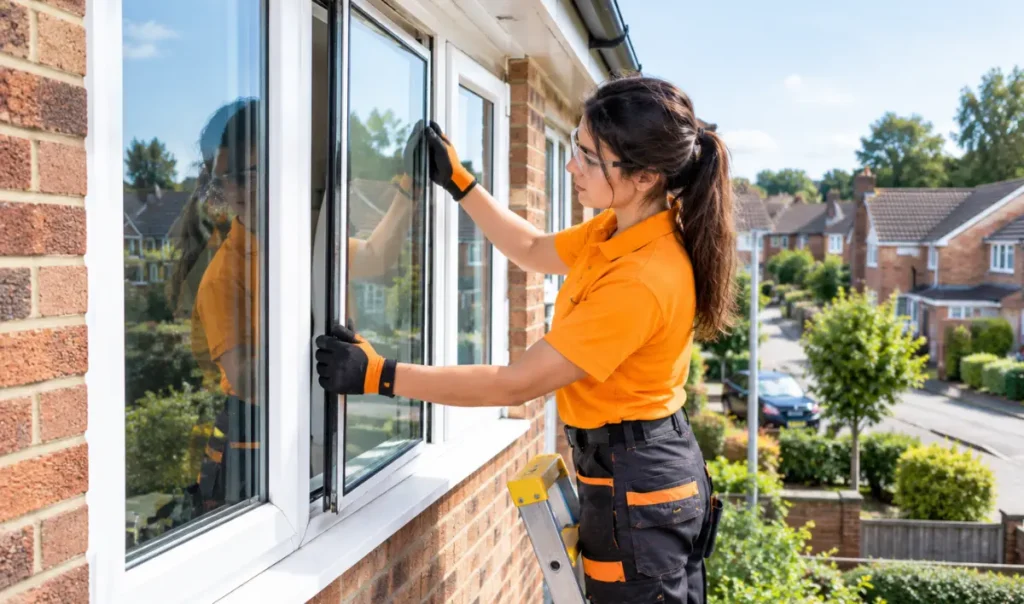
Photographs That Do the Most Work
A phone is all you need. Good light and a steady hand matter far more than the camera.
Misted or Foggy Panes
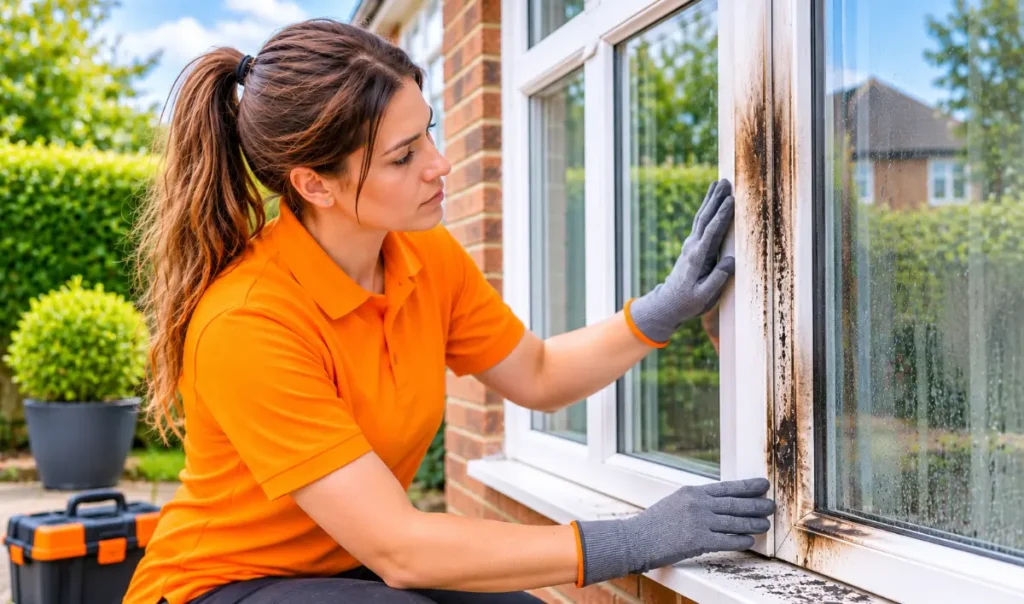
Take photos in daylight, from inside and outside, with the haze between the panes clearly visible. Capture the whole window first so the frame, handle and opening style are in view, then move closer to show where the fog sits. A cloudy corner suggests a different stage of failure from a pane that is misted from edge to edge.
Add one photo of the frame edge and the rubber gasket around the glass. If the gasket looks sound and the frame is straight, the fault is almost always the sealed unit alone, and a failed unit can be replaced without touching the frame. Wiping will not help, because the moisture is trapped between the panes rather than sitting on a surface.
Doors and Locks
For a door, photograph it closed from the inside and the outside, then the gap along the hinge side, then the lock edge with the handle lifted. The keep on the frame, the metal plate the bolts slide into, is worth its own picture. A short video of the handle being lifted and the key being turned often tells a glazier more than ten stills.
Describe the symptom in plain words. A key that turns but does not move the bolt points one way. A handle that feels loose points another. A door that must be lifted to lock suggests it has dropped on its hinges. Lock faults often need hands on to confirm, but a clear description narrows the possibilities and helps the engineer bring the right parts.
Cracked or Broken Glass
Photograph damaged glass from a safe distance and never lean on it or press tape across it to hold it together. Show where the crack starts, whether it runs across one pane or both, and whether the break is on the inside pane, the outside pane, or through everything. Keep children and pets out of the room until the glass is dealt with.
If the glass has fallen out or the opening is unsafe, skip the photos and ask for the opening to be made safe first. That is covered further down.
Reading the Details Printed on the Glass
A sealed unit is two panes of glass held apart by a spacer bar, with a sealed gap in between. Many units carry a small mark on that spacer bar, and this is one of the most useful things you can send.
The mark often shows the name or trade mark of the unit manufacturer. Some units also carry a Kitemark reference, which starts with the letters KM followed by a number. How sealed units are marked is set out in technical guidance written for new homes, so do not be alarmed if an older unit in your house shows something different, a faded stamp or nothing readable at all.
You can sometimes read the spacer bar mark by looking along the edge of the glass with the window open, using a torch if needed. If you cannot see it, do not try to take anything apart. The engineer will read it on site.
There is a second marking that is easy to confuse with the first. A small etched stamp in one corner of the glass itself usually indicates safety glass, such as toughened or laminated glass. That stamp sits on the pane, not on the spacer bar. It matters most for door panels and for glass low down near the floor, where safety glass is expected. A photo of that corner helps a glazier match the replacement correctly.
Finally, note whether the spacer bar looks silver or dark. It is a small detail, but it helps the engineer order a unit that sits comfortably beside the others.
Measurements Worth Taking and the Ones to Skip
Measure the visible glass, width first and height second, in millimetres if you can. Note the rough frame width and height as well, how many panes the window has, and how many of them open. For a door panel, note the shape and whether it is a single pane or several.
Please do not try to work out the true size of the sealed unit yourself. A good part of its edge is hidden inside the frame, held under the beads, and the visible glass is always smaller than the unit behind it. Units are made to measure and cannot be trimmed once they arrive, so an order placed from a homeowner’s tape measure is one of the most common reasons a replacement does not fit.
An engineer takes the final sizes on site, usually after releasing the beads. If you are curious about that part of the process, what a sealed unit replacement actually involves walks through it step by step.
Your measurements are still valuable. They let the glazier sense check the photos and flag a size that looks unusual before anything is ordered.
What Moves a Guide Price Up or Down
Two windows that look identical in photos can be priced differently. These are the factors that change the number:
Size of the unit, since larger panes cost more to make and more to handle
Glass specification, including clear, low emissivity, acoustic, patterned or tinted
Whether safety glass is required, as it is for many door panels and low glazing
Access, because an upper floor window or a tight conservatory edge adds time
The number of units, since one callout covering several jobs is usually better value than separate visits
Any hardware replaced on the same visit, such as handles, hinges or stays
For orientation, a standard sealed unit in a small to medium window often sits somewhere between £60 and £150. A larger window or one with an upgraded specification more commonly falls between £150 and £280, and a sealed unit in a door panel between £150 and £320. These are guide figures, not quotes, and they exist so you can tell whether a number you receive looks sensible.
If more than one window is misting, say so in your first message. Several units on one visit usually cost less in total than the same jobs booked one at a time.
How to Read a Written Quote Without Being Rushed
A phone number is a conversation. A written quote is the thing you can actually compare. A good one covers the following:
Each unit listed separately, with its size, quantity and specification
Labour and any callout charge stated clearly rather than folded into one figure
Any extra charge for access or for safety glass
The guarantee offered on the glass and on the workmanship
A realistic lead time for the unit to be made
Payment terms that do not ask for a large cash sum upfront
When you are comparing two quotes, compare like for like. A cheaper figure that quietly leaves out safety glass or uses a lower specification is not cheaper at all. Ask each glazier to confirm the specification in writing so you are looking at the same job twice.
Be wary of any quote that cannot explain what it includes, or that pushes you to decide on the spot. A genuine local glazier is comfortable with you taking a day to think.
Faults That Should Skip the Quote Stage
Some problems cannot wait for a tidy comparison. Glass that has fallen out, a pane that is ready to drop, or a door that will not lock when you are leaving the house all call for a different order of events.
In those cases, phone first and describe what is happening. The sensible sequence is to make the opening safe and secure, then price the permanent fix once everyone is calm. A broken window repair that starts with making the opening safe protects your home tonight and still leaves you free to agree the replacement glass properly.
Take photos of any damage before it is boarded up. They help with the price and are useful if you decide to claim on your home insurance.
What Happens Between Saying Yes and a Finished Repair
Once you accept a quote, the glazier confirms the final measurements and specification. A sealed unit is then made to order, which usually takes a few working days, and longer for an unusual specification. Lock, handle and hinge repairs often use parts the engineer already carries, so they can be done in a single visit.
On fitting day, the old unit is released from the frame, the new one is set in place, and the beads and gaskets are refitted and checked. The engineer should tidy up, test that the window opens and locks properly, and leave you with the paperwork for the guarantee.
It is worth checking the new unit before the engineer leaves. Look for clean glass, straight beads, a gasket that sits evenly all round, and a window that closes without force. Anything that looks wrong is far easier to put right while the engineer is still in the house.
Mistakes That Cost Lordshill Homeowners Time or Money
Sending one dark, blurry photo and expecting an accurate price
Measuring the sealed unit at home and ordering it from that figure
Forgetting to mention that several windows show the same fault
Treating a rough phone number as a fixed price
Comparing quotes that quietly cover different specifications
Leaving a cracked or failing unit until it breaks completely, which turns a planned repair into an urgent one
Agreeing to pay a large sum before any work or ordering has begun
Questions Lordshill Homeowners Ask Before Booking
Can a glazier really give a price from photos alone?
Often, yes, for a guide price. Clear photos, a short description and the marks on the sealed unit let an engineer judge the likely job and its cost range. The firm figure is confirmed once sizes and specification are checked in person, so treat a photo based price as a close estimate rather than a final one.
How much does it cost to replace a misted double glazing unit in Lordshill?
A standard sealed unit in a small to medium window commonly costs between £60 and £150, while larger or upgraded units can reach £280. A unit in a door panel may fall between £150 and £320. Size, glass specification, safety glass requirements and access all move the final figure.
Do I need to measure the window before I ask for a quote?
No, though rough measurements of the visible glass are helpful. Please leave the exact sealed unit size to the engineer, because part of the unit sits hidden inside the frame and units cannot be trimmed after they are made.
Will the repair be done in one visit?
Hardware repairs such as handles, hinges and many lock faults are usually finished in a single visit. A sealed unit has to be made to measure first, so the job normally takes a survey or confirmation stage and then one fitting visit.
Does the same approach work in Lordswood, Bassett, Chilworth and Nursling?
Yes. Homes across SO16 share the same sensible route: clear photos, a description of the fault, the spacer bar mark and rough measurements, followed by a written quote. Unusual glazing such as bays, arched tops or conservatory roofs is the exception and usually needs a visit before a price is trusted.
Before You Pick Up the Phone
Getting a fair price for glazing work in SO16 comes down to preparation. A few good photos, a clear description, the mark from the spacer bar and a couple of rough measurements give a glazing engineer enough to speak sensibly about cost and timing before anyone has crossed your threshold.
If something is unsafe or will not lock, call straight away and deal with the price afterwards. For everything else, take ten minutes at the window first. You will get a clearer answer, spot a vague quote more easily and avoid the most common reasons a replacement turns up wrong.
When you are ready, you can talk to a local glazing engineer at Glaze Repair Southampton and send over what you have gathered.