Awaab’s Law applies to social housing tenants, meaning council and housing association properties, not most private rentals in Southampton. If you rent privately from a landlord or letting agent, a different, older set of legal protections covers damp, mould and disrepair instead, and it’s worth knowing exactly what that means before assuming the strict new deadlines apply to you.
This distinction matters because Awaab’s Law has been widely reported in the news without always making clear who it actually covers, and Southampton, like most UK cities, has far more privately rented homes than social housing ones. Getting this wrong in either direction, assuming you’re protected when you’re not, or assuming you have no rights at all, leads to the same outcome: a mould problem that drags on longer than it should.
What Awaab’s Law Actually Is
Awaab’s Law is the common name for the Hazards in Social Housing Regulations, introduced under the Social Housing Regulation Act. It’s named after Awaab Ishak, a two year old boy who died in Rochdale in December 2020 after prolonged exposure to mould in his family’s housing association flat, a case that led directly to new statutory deadlines for how social landlords must respond to hazards.
The first phase came into force in England in October and it introduced fixed, legally enforceable timescales rather than the vaguer “reasonable time” standard that applied before. Before this law, a social landlord had no strict clock running on a mould complaint. Now they do.
Who Awaab’s Law Actually Applies To
The law applies specifically to social landlords, meaning local councils and housing associations, and only to properties they own and let. If your home in Southampton is owned by the council or a housing association such as those operating across the city, Awaab’s Law applies to your tenancy directly.
If you rent from a private landlord or through a letting agent, which covers the large majority of rented homes in Southampton, Awaab’s Law does not currently apply to your tenancy. This is the point that causes the most confusion, since press coverage of the law rarely draws this line clearly, and it’s genuinely reasonable for a private tenant to assume a well publicised new law protects them too.
The Exact Deadlines Social Landlords Must Meet
For anyone this does cover, the timescales are specific rather than general. An emergency hazard, one posing an immediate risk of harm, must be investigated and made safe within 24 hours. A significant damp or mould hazard must be investigated within 10 working days of the landlord becoming aware of it, with a written summary of the findings given to the tenant within 3 working days of that investigation concluding, and any necessary safety works carried out within 5 working days of the hazard being confirmed.
Where a property genuinely cannot be made safe within those timescales, the social landlord is required to offer suitable alternative accommodation at their own cost until it is.
If You’re a Private Renter in Southampton, What Actually Protects You
Private tenants aren’t without protection, they just fall under a different, longer standing set of rules. Section 11 of the Landlord and Tenant Act requires a private landlord to keep the structure and exterior of a property in repair, which includes windows, and courts have consistently treated a landlord’s failure to act on a reported disrepair issue within a reasonable time as a breach of that duty.
The Homes (Fitness for Human Habitation) Act adds a further layer specifically relevant to damp and mould, giving private tenants the right to take a landlord to court directly if a property is unfit to live in, including on health grounds tied to damp conditions, without needing to go through the council first.
Southampton City Council’s environmental health team can also inspect a private rental using the Housing Health and Safety Rating System, the same hazard framework Awaab’s Law builds on for social housing, and can serve improvement notices requiring a private landlord to fix a serious hazard within a timescale the council sets.
The practical difference is enforcement speed rather than an absence of rights. A social tenant has a fixed legal clock running automatically. A private tenant generally needs to report the issue, allow a reasonable time for it to be addressed, and escalate to environmental health or the courts if that doesn’t happen, which takes longer even when the underlying legal obligation is just as real.
Where Window and Glazing Faults Fit Into a Mould Complaint
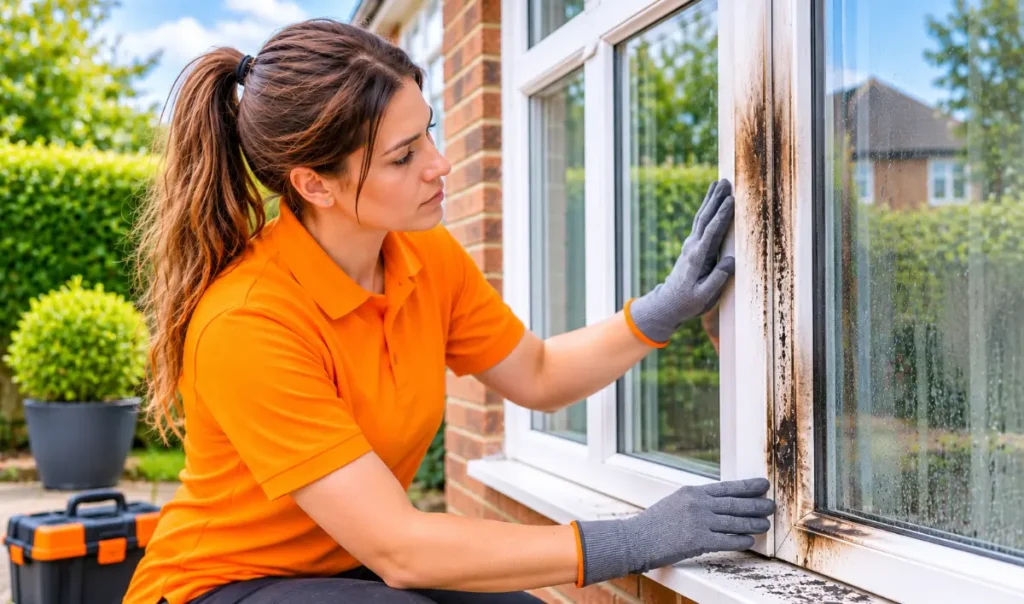
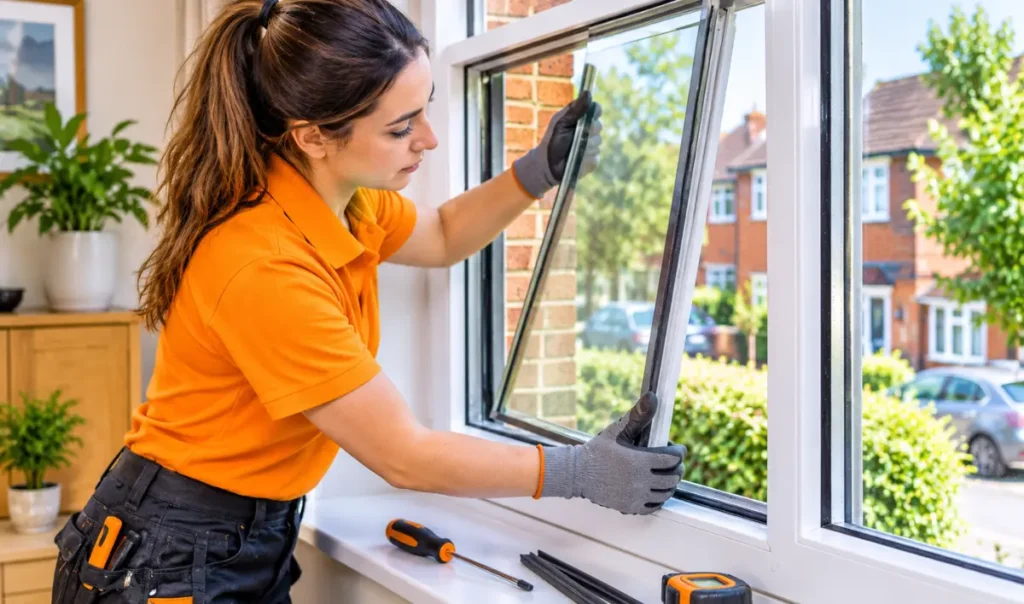
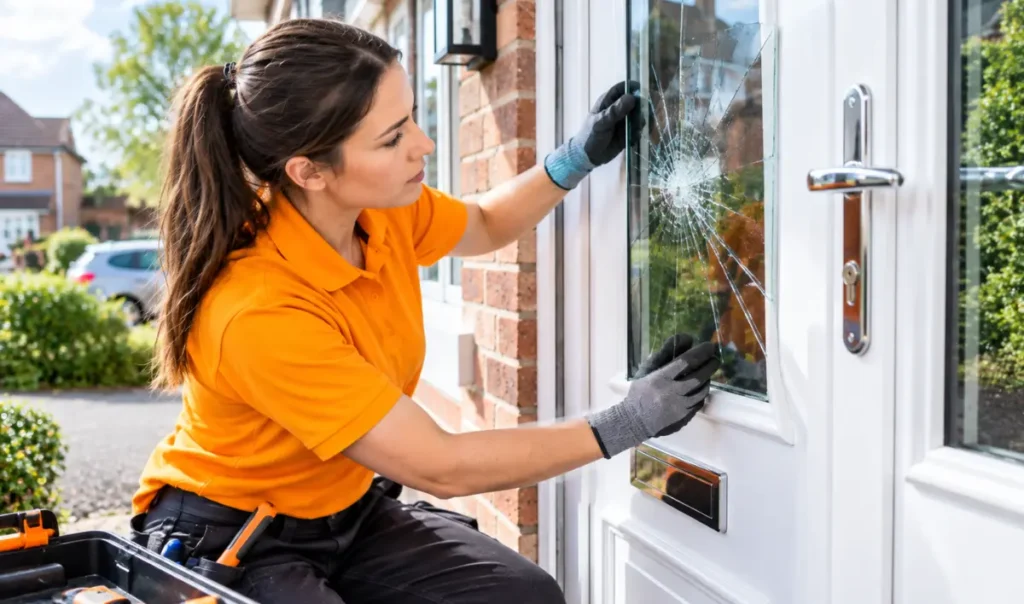
A significant share of damp and mould complaints, in both social and private housing, trace back to a specific window fault rather than a wider structural problem. A failed sealed unit letting cold transfer through the glass, a perished door seal letting in cold air that drops the surface temperature of nearby walls, or a window that can no longer be opened to ventilate a room properly, all create the exact surface conditions mould needs, even when the property is otherwise dry and well maintained.
This matters for anyone raising a complaint, social or private tenant alike, because identifying the specific cause speeds up the fix considerably. A landlord who understands the mould is being driven by a single failed window unit, rather than a vague damp problem across the whole room, can direct a glazier to repair that unit specifically instead of commissioning a broader damp survey that takes longer and costs more.
If you’re trying to work out whether your own foggy or draughty window is contributing to a mould patch nearby, our breakdown of where condensation actually forms and what each location means is worth checking before raising a formal complaint, since it helps you describe the fault accurately to a landlord or council inspector.
What’s Changing Next
Awaab’s Law is being rolled out in phases rather than all at once. The next phase, expected in social housing from late 2026, extends the same fixed deadlines to a wider set of hazards under the Housing Health and Safety Rating System, including excess cold, which is directly relevant to glazing, since a window or door that no longer holds heat properly is one of the most common sources of an excess cold finding. A further phase covering most remaining hazards is expected.
None of these expansions currently extend the law to private rentals. There has been discussion in housing policy circles about eventually applying similar fixed timescales to the private rented sector, but as things stand, private Southampton tenants remain under the Section 11 and Fitness for Human Habitation framework described above rather than Awaab’s Law itself.
What to Do If You’re a Social Tenant and the Deadline Has Passed
Start by checking exactly when you first reported the hazard, since every deadline under Awaab’s Law runs from that point, not from when work eventually starts. If your landlord has gone past 10 working days without investigating a mould complaint or past 5 working days carrying out confirmed safety works, you’re entitled to escalate through the Housing Ombudsman Service, which handles complaints against social landlords specifically and can order compensation or corrective action.
What to Do If You’re a Private Tenant Facing the Same Problem
Report the fault to your landlord or letting agent in writing, keeping a dated record, since “reasonable time” under Section 11 is judged against how long a landlord has actually known about the problem. If nothing happens within a few weeks for a straightforward glazing fault, Southampton City Council’s environmental health team can inspect the property and force action through an improvement notice, which carries legal weight even though the timescale isn’t fixed by statute the way Awaab’s Law is.
Frequently Asked Questions
Does Awaab’s Law apply to housing association tenants in Southampton?
Yes. Awaab’s Law applies to all social landlords in England, which includes housing associations as well as local councils, so a Southampton housing association tenant is covered by the same fixed deadlines.
I rent privately and my landlord mentioned Awaab’s Law, is that normal?
It’s increasingly common for private landlords to reference Awaab’s Law informally as good practice, but they aren’t legally required to follow its specific timescales. Your actual legal protection comes from Section 11 and the Fitness for Human Habitation Act instead.
Can a private landlord be forced to fix mould quickly if it’s making someone ill?
Yes, through the Homes (Fitness for Human Habitation) Act , which lets a tenant take court action directly over a property that’s unfit to live in on health grounds, without a fixed deadline but with real legal consequences for the landlord.
Is a single misted window enough to count as a mould hazard under any of these rules?
On its own, usually not, but a misted or draughty window that’s actively causing cold surfaces and recurring mould nearby is exactly the kind of evidence that strengthens a formal complaint under either framework, which is why identifying the window as the cause matters.
Final Thoughts

Awaab’s Law is a genuine, meaningful change for social housing tenants, but it’s easy to assume it covers more than it does. Most Southampton renters are protected by an older, slower framework instead, one that still gives real legal weight to a mould or damp complaint, just without the same fixed clock.
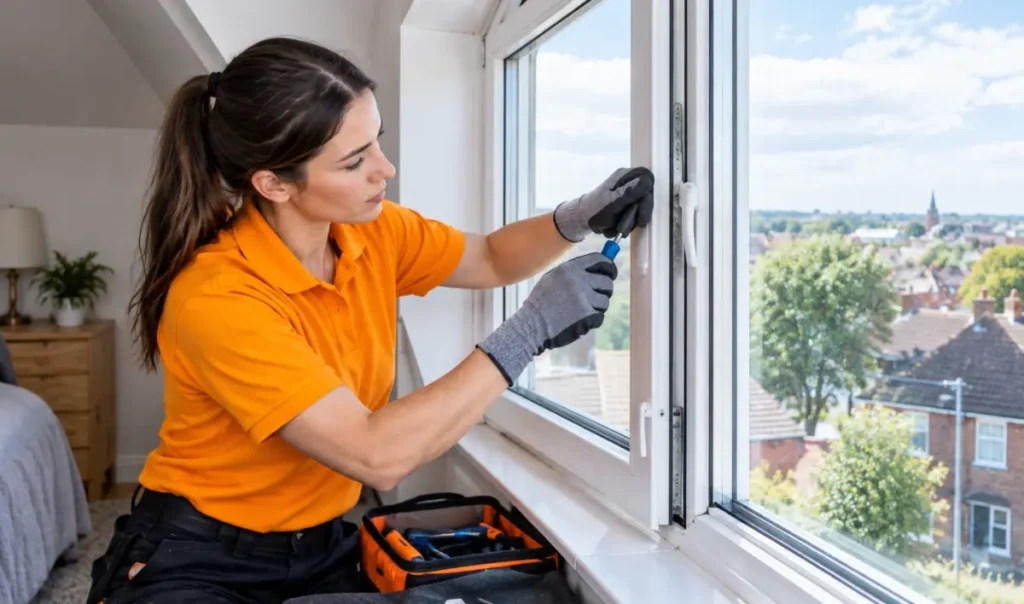
Whichever category your tenancy falls into, a specific window or door fault behind a mould problem is usually the fastest thing to resolve. If you suspect a failed seal or a draughty frame is behind a damp patch in your home, our team can assess it directly rather than waiting on a wider damp survey to confirm what a five minute inspection often can.