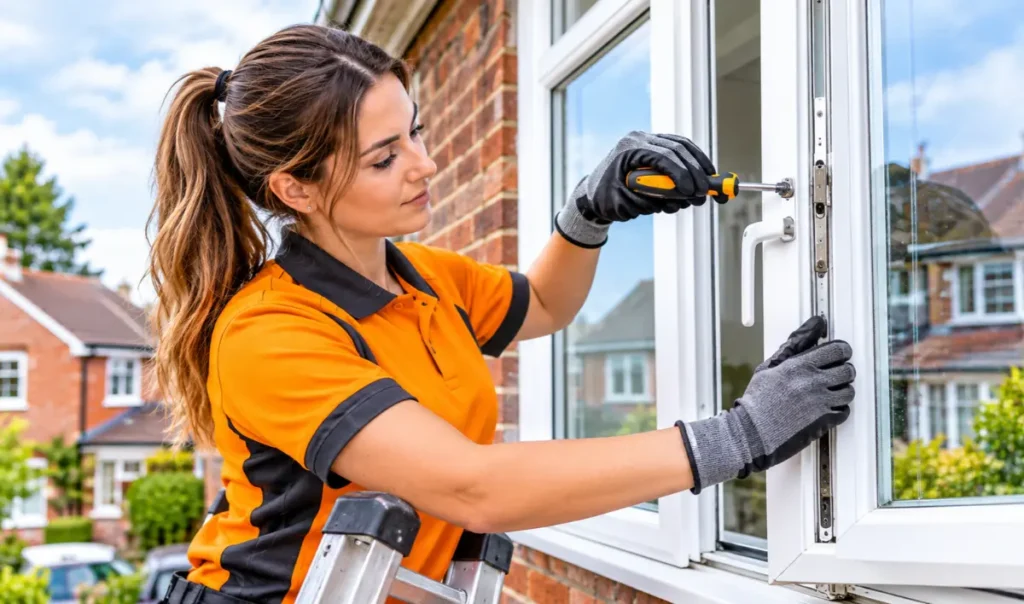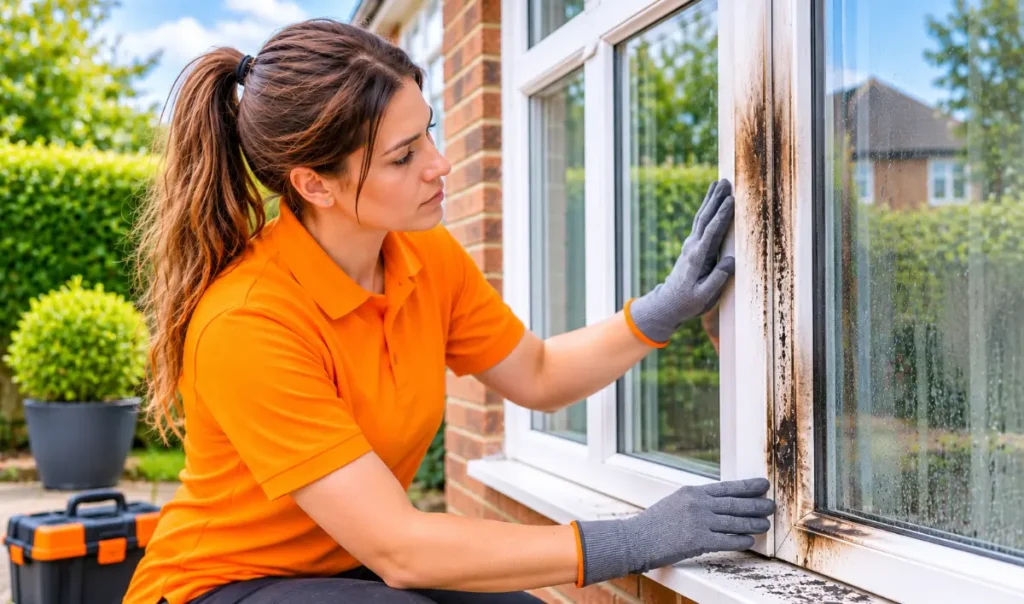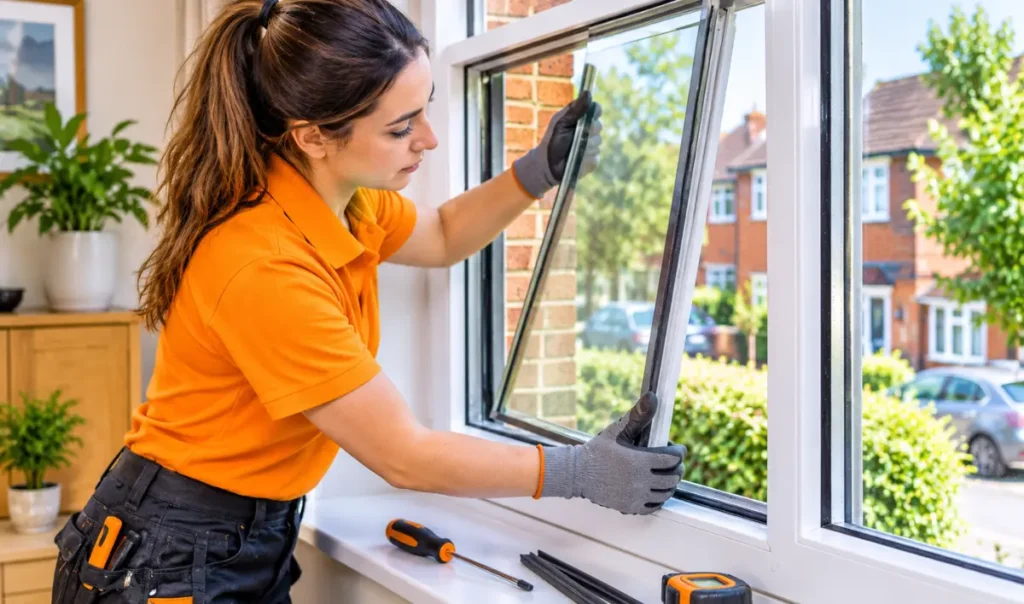

Yes, in most homes a clear pane can be swapped for an obscure one by fitting a new made to measure sealed unit into the frame you already have, so privacy glass replacement in Freemantle and Maybush rarely means replacing the window or the door itself.
That surprises a lot of people in SO15. They assume a frosted or patterned finish means a brand new frame, a skip outside and a week of mess. For a standard UPVC window or a glazed door panel, it is usually a like for like glass swap that takes a single visit once the new unit is made.
This guide explains how the swap works, how to pick the right level of privacy, why door glass follows stricter rules, and what to check before you book anyone.
What Changing to Privacy Glass Usually Involves
If you want the short version before the detail, these are the points that matter most for a home in Freemantle, Maybush, or the streets around them:
- A clear sealed unit is replaced with a new one that has a patterned, textured, or frosted pane, and the existing frame stays where it is.
- Textured glass is graded on a scale of one to five, where one lets through the most detail and five hides the most.
- Glass in doors, in panels beside doors, and in low windows is a safety location, so the replacement is normally toughened or laminated.
- A lit room can still show shapes at night, so the privacy level matters more than the pattern name.
- Rented homes need the landlord’s agreement before the glass is changed.
The rest of the post takes each of these in turn, starting with why this particular fix comes up so often in this part of Southampton.
Why Front Rooms Around Freemantle and Maybush Are the Ones People Want to Change
Housing in SO15 is a mix. Older terraced streets sit close to the road, while other parts of Maybush and the neighbouring roads are made up of family homes with a front garden, a hallway and a glazed front door. Both types create the same everyday problem from different angles.
If you want a wider picture of how common faults vary between districts, our guide on how glazing problems differ from one Southampton postcode to the next covers SO15 alongside its neighbours.
Terraced fronts that sit close to the pavement
In a terrace with a short front or no front garden at all, the ground floor window is a few steps from the footpath. Anyone walking past can see straight into the front room, and that is true at midday as much as in the evening.
Some owners solve it with nets or blinds. Others get tired of keeping the curtains closed in daylight and want the glass itself to do the work. Privacy glass lets light in while blurring the view from outside, which is the whole point.
Family homes with a glazed door and a glass panelled hallway
Further out, the issue often moves to the front door. A clear panel in the door or beside it lets a passer by see down the hallway, and that can include the stairs, the coats and the back garden if the house is open plan.
A panel with a privacy pattern keeps the hallway bright without turning it into a viewing window. It is also one of the lowest effort changes you can make to how a house feels when you walk past it.
Obscure, Frosted, Patterned and Textured: What the Terms Actually Mean
The vocabulary is a mess, and installers use it loosely. Knowing the difference stops you from ordering the wrong finish.
Textured and patterned glass
This is the type most people picture on a bathroom window. The pattern is pressed into the glass when it is made, so it is part of the pane itself and does not wear off.
Each pattern has its own privacy grade. Manufacturers rate their textured ranges from one to five, with one revealing the most and five revealing the least. Pilkington publishes the same scale across its range, and its own page on five levels of privacy in textured glass is a useful reference if you want to see how the levels are described by the people who make the glass.
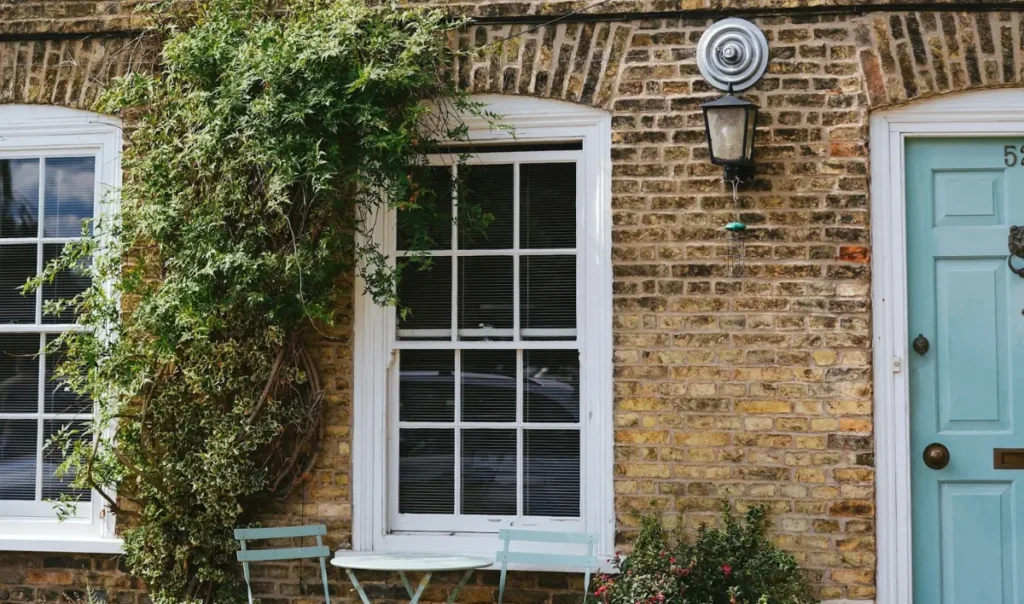
Frosted and etched finishes
Frosted glass has a fine, even, milky surface that reduces visibility. It can be produced by etching the glass or by treating the surface, and the look is smoother and more modern than a pressed pattern.
All frosted glass is obscure, but not every obscure glass is frosted. If a quote simply says “obscure”, ask whether it means a pressed pattern or a frosted finish, because the two look different on the wall.
Adhesive film as a stopgap
A plastic film applied to clear glass is a cheaper short term option. It can work well on a window you plan to replace soon, but it is not the same as changing the glass and it does nothing for a unit that has failed.
If the existing pane is already misted, film will not fix it. The sealed unit needs replacing, and that is the moment to change the glass type at the same time.
Choosing the Right Privacy Level Instead of Just a Pattern
This is where most people get it wrong. They pick a pattern from a small photo, fit it, then find it hides far less than they expected.
Reading the one to five scale
Level one gives a soft blur and keeps most of the shape of whatever is behind it. Level five makes a person standing on the other side almost unreadable. The levels in between are a gradual step from one to the other.
A pattern name tells you very little. What matters is the level number attached to it, so ask for that number rather than relying on a name. If two installers offer you different patterns at the same level, they are close to interchangeable for privacy.
Matching the level to the room
A bathroom or a downstairs toilet usually needs the higher levels because the window is close to where people are least dressed. A front room that you simply want to stop being a goldfish bowl may be fine with a middle level, which keeps more light and a softer look.
A hallway door panel sits somewhere between the two. You want enough obscurity to stop someone seeing the length of the house, without making the hall noticeably darker.
What happens at night
Daylight is kind to privacy glass. Evening is less forgiving, because a bright room against a dark street shows movement through lower grades of pattern.
If your front room is lit most evenings and faces the pavement, go a level higher than you think you need. A sample held up in the actual window will tell you more than any brochure.
How the Swap Is Done on a Window You Already Own
The process is simpler than most people expect, and it depends on a single fact: the frame is not what is changing.
An installer measures the existing sealed unit, orders a new one with the chosen pane, removes the old glass and fits the replacement into the same frame. Our page on replacement sealed units made to fit your existing frame explains the same method for failed units, and the process is identical when the reason for the swap is privacy.
Which pane carries the pattern
In a double glazed unit the pattern usually sits on one pane only, with the other left clear. Ask which pane will be patterned and which face of that pane the texture will sit on.
A textured face turned towards the room can collect dust and cooking residue. Turned inwards towards the cavity, it is smoother to clean from the room side. Neither is wrong, but you should know which one you are getting.
Matching a run of windows
If you are changing several panes along the same front, such as a bay or a pair of upstairs windows, the units should be ordered together. Some patterns are directional, so turning the pane the wrong way produces a visibly different look between neighbours.
Ask for them to be supplied as a matched set. It costs nothing and avoids a front elevation that looks like it was glazed on different days.
How long the job takes
The fitting is quick once the unit arrives. The wait is the manufacturing step, because every unit is made to the size of your frame.
Availability can vary between patterns, so confirm lead times when you book. A less common pattern may take longer to arrive than a standard one.
Glass in Doors and Beside Doors Follows Stricter Rules
A privacy panel in a front door is not just a visual choice. Glass in a door, glass in the panels next to it and glass in low windows is treated as a critical location under building rules, so the replacement is normally toughened or laminated.
That means the pattern you like has to be available in a safety grade. Most common patterns are, but you should confirm it before ordering rather than after the first unit arrives.
Why safety glass is not optional here
Toughened glass breaks into small blunt pieces rather than long shards, and laminated glass holds together when it cracks. Both exist to reduce injury if someone falls against a door or pane.
Door glass is also the pane most likely to be knocked, slammed or hit by a child with a football. Fitting standard annealed glass in these spots to save money is a false economy and a safety problem.
Check the door before you change the glass
New glass will not fix a door that has dropped or a frame that is out of line. If the door catches on the threshold, the handle needs lifting or the lock is stiff, sort that first.
A specialist who can repair UPVC front doors on site can realign the door and then confirm whether the existing panel can take new glass. Doing it in that order saves you paying for glass to be fitted into a door that still does not close properly.
Decorative panels versus plain privacy
Some front doors carry decorative panels with a clear centre and patterned edges. If yours has this style, ask whether the replacement can match the existing design. A mismatch between old and new panels is easy to spot from the street.
Plain privacy panels are simpler to replace and easier to match. If the decorative element matters to you, show the installer the door before they quote.
When Privacy Glass Is Not the Right Fix
Obscure glass solves a visibility problem. It does not solve every glass problem, and a few situations need a different answer.
A pane with a failed seal looks cloudy between the layers, and a privacy pattern will not cure it. In that case the unit needs replacing anyway, which is the best moment to choose the finish. Our breakdown of the real running cost of a blown sealed unit shows why waiting rarely saves money.
A cracked pane that you want to hide is also not a candidate. Cracks spread, and a damaged pane should be replaced, not covered over.
If the real concern is people looking in at night, blinds or curtains used together with a middle level pattern often work better than a very dark pattern alone.
What Shapes the Quote for a Privacy Glass Swap
The final price depends on a handful of variables. Understanding them helps you compare quotes properly.
Size is the largest factor, because bigger units use more material and are heavier to handle. A small bathroom pane costs far less than a large front room window.
The pattern and its safety grade come next. Standard textured patterns are widely available, while safety grades, uncommon patterns and larger sizes can cost more and take longer to arrive.
Access also plays a part. A ground floor window on a terraced front is simple to reach. An upstairs unit or one behind a tight side passage needs more care, and that can affect time on site.
Finally, the condition of the frame matters. A sound frame takes a new unit with no trouble, while a tired frame or perished glazing gaskets may need attention at the same visit.
Slip Ups That Make Privacy Glass Disappointing
A few mistakes appear again and again. All of them are avoidable.
Choosing from a small online photo is the biggest. Patterns look different in a real window, and a sample is worth far more than a catalogue image.
Ignoring the evening is the second. A bright room at night exposes movement behind anything below the higher levels, so think about when the room is actually used.
Mixing patterns across neighbouring windows is the third. It makes the front of a house look patchy and is easy to avoid by ordering together.
The fourth is forgetting permission. If you rent, the landlord needs to agree before the glass is changed, and a leaseholder should check whether the glass counts as part of their demised space. A short written agreement before you order protects everyone.
Questions Southampton Homeowners Ask About Privacy Glass
Can I get privacy glass without replacing the whole window?
Usually, yes. A new sealed unit with an obscure pane is made to fit the frame you already have, so the frame, handles and hinges stay in place. The exception is a frame that is damaged, warped or no longer holding glass securely.
What is the difference between obscure glass and frosted glass?
Obscure glass is the broad term for any glass that reduces visibility, including pressed patterns and frosted finishes. Frosted glass is one type of obscure glass, with a smooth milky surface. A patterned pane has a visible texture, while a frosted one looks even.
Which privacy level is best for a bathroom or a front room?
Bathrooms generally suit the higher levels, around four or five, because privacy matters most there. A front room often works well in the middle of the scale, balancing light and privacy. If the room is lit in the evening and faces the pavement, go a level higher.
Will privacy glass make my room darker?
Obscure glass still lets light through, but some patterns diffuse it more than others and the higher levels can feel slightly less bright. Ask to see a sample in your own window, since the effect depends on the direction the room faces and the pattern you pick.
Do you cover Freemantle and Maybush?
Yes. Glaze Repair Southampton works across SO15, including Freemantle and Maybush, and the surrounding postcodes. Describe the window or door and send a clear photo so the right unit can be quoted.
Final Thoughts on Getting Privacy Glass Right in SO15
Privacy glass is one of the most practical upgrades you can make to a home that sits close to the street. Done properly, it keeps the light you want and removes the view you do not.
Pick the privacy level before the pattern, use safety glass where a door is involved, and order matching units together. If you would like a straight answer on what your window or door panel needs, you can contact Glaze Repair Southampton with a photo and a few details about the room.