
Noise reduction glazing can make a genuine, noticeable difference to a room, but how much depends far more on which option you choose and where the noise is coming from than most marketing copy admits. Noise reduction glazing works by disrupting sound waves as they pass through a window, and the single biggest factor in how well that works is the width of the air gap between panes, not simply how thick the glass is.
What Actually Determines the Result
The air gap between panes matters more than glass thickness on its own, since a wider gap gives sound more distance to lose energy before it reaches the other side.
Different noise sources respond differently to the same fix. Low frequency traffic rumble, high frequency aircraft noise, and a neighbour’s voice through a party wall are not solved equally well by the same glazing choice
Secondary glazing, full double glazing replacement, and laminated acoustic glass all reduce noise, but by different amounts and at different costs, so matching the option to the noise problem matters more than picking the most expensive one
No glazing option eliminates noise entirely. A realistic expectation is a noticeable reduction in loudness and a change in how intrusive the noise feels, not silence
Why Marketing Claims Rarely Match Reality
Noise reduction is one of the easier things for a sales pitch to overstate, because it’s genuinely difficult for a homeowner to verify a decibel claim without specialist equipment. A brochure figure showing a large reduction is often measured under laboratory conditions with a single frequency of test noise, which doesn’t reflect how a mix of real traffic noise, containing many frequencies at once, behaves against the same glass.
Real world performance also depends on things a spec sheet doesn’t mention. A perfectly rated window with a poorly sealed frame, a gap around the reveal, or an old trickle vent left permanently open will underperform its laboratory figure by a wide margin, because sound finds the weakest point in a room’s envelope, not the strongest.
This doesn’t mean noise reduction glazing doesn’t work. It means the honest expectation is a meaningful, noticeable drop in intrusiveness rather than the dramatic transformation some product marketing implies.
The One Technical Point Worth Understanding
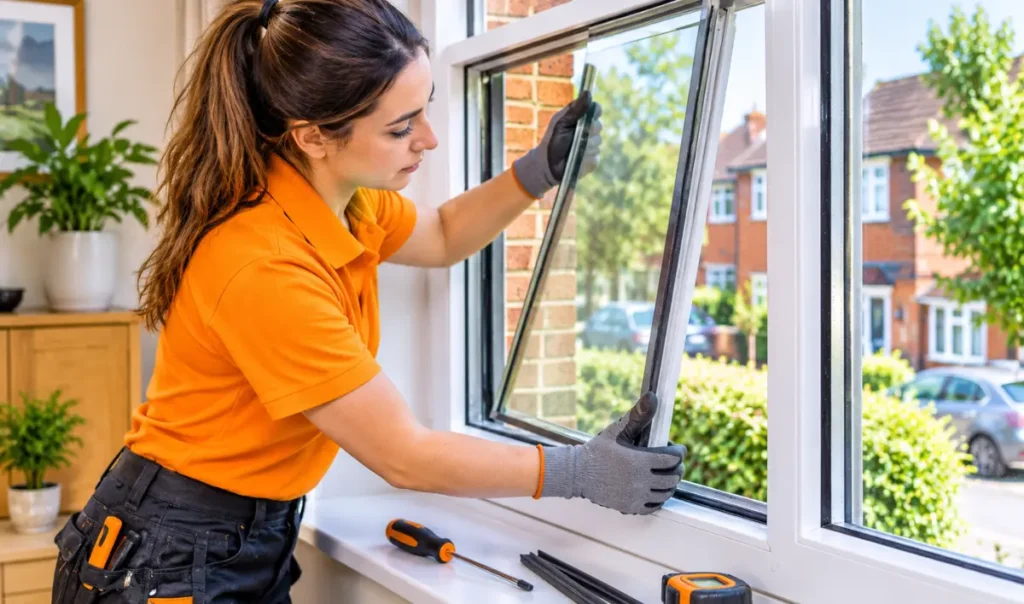
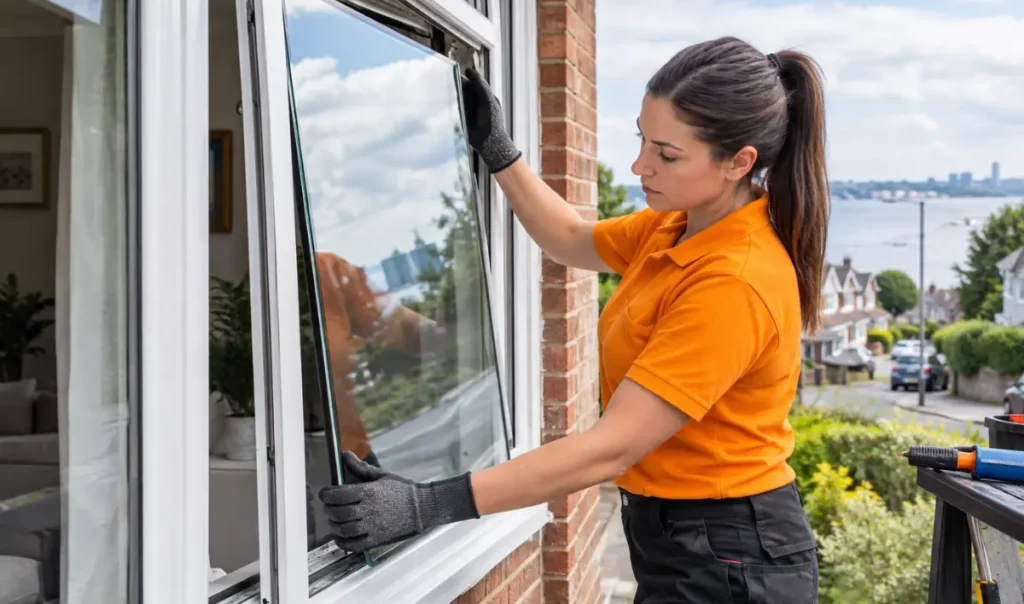
The air gap between two panes, combined with using panes of different thickness rather than matched ones, is what actually disrupts sound most effectively, since mismatched panes resonate at different frequencies and interrupt each other rather than letting a single frequency pass straight through. We’ve covered the mechanics of this in detail in our guide to double glazed glass thickness, so we won’t repeat the full explanation here, but it’s worth knowing before comparing your options, since it’s the reason a wider secondary glazing gap sometimes outperforms a narrower double glazed replacement unit for noise specifically, even though the reverse is often true for thermal performance.
Matching the Fix to the Noise Source
Road Traffic Noise
Traffic noise is a mix of low frequency engine and tyre rumble with higher frequency transient sounds like braking and horns. A wider air gap performs well against this mix, which makes secondary glazing, with its typically larger gap than a standard sealed double glazed unit, a strong option for a property directly on a busier road.
Aircraft or Flight Path Noise
Aircraft noise carries more low frequency energy over a sustained period, and tends to need a genuinely wide gap or laminated acoustic glass with an interlayer specifically designed to dampen that frequency range to make a real difference. A standard double glazed unit alone often isn’t enough on its own for a property directly under a flight path, and combining it with secondary glazing gives a much larger total air gap than either option alone.
Neighbour or Party Wall Noise
Voices and footfall through a shared wall or from an adjoining property are usually more about the wall and floor construction than the windows, so glazing changes alone rarely solve this type of noise on their own. Where a window does contribute, it’s typically because it’s the weakest point in an otherwise reasonably insulated wall, in which case improving that one window can still make a proportionally large difference even though it wasn’t the original source.
Garden, Street, or Community Noise
General street level noise, whether from foot traffic, bins, or a nearby school or pub, tends to respond well to almost any upgrade from single glazing, since the improvement from no secondary barrier to any secondary barrier is larger than the improvement between different types of secondary barrier.
Comparing Your Options for Noise Specifically
Secondary Glazing
An independent second pane fitted inside the existing window, creating a much larger air gap than a standard sealed unit can achieve. This is often the strongest option purely for noise reduction, since the gap can be sized specifically for acoustic performance rather than being constrained by a standard sealed unit’s manufacturing limits. It also suits properties in a conservation area or with a listed status, where the original frame has to stay in place.
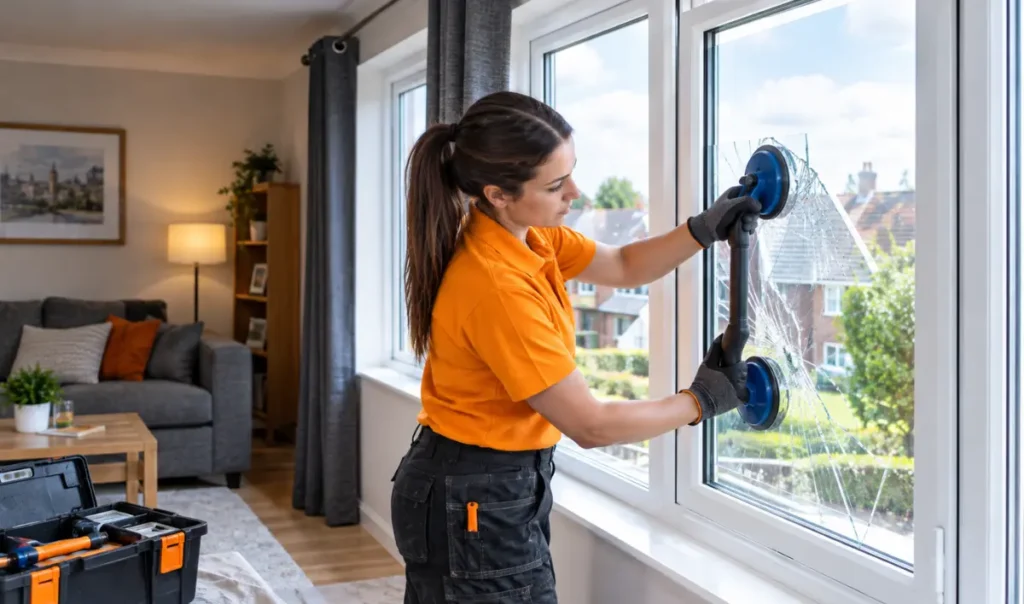
Full Double Glazing Replacement
A new sealed unit with an asymmetric pane thickness specced for noise performs meaningfully better than a standard matched pane unit, though the total air gap is limited by what fits inside a standard frame depth. This suits a property that needs replacement windows for other reasons anyway, such as a frame that’s failed structurally, where specifying an acoustic spec at the point of replacement adds relatively little to the cost. Our double glazing replacement service can specify this at quote stage where noise is a factor alongside the usual repair or replacement decision.
Laminated Acoustic Glass
A specific interlayer bonded between two panes that dampens sound transmission, most effective against lower frequency noise like traffic rumble or aircraft. This can be specified within either a secondary glazing unit or a full replacement, and tends to be the better choice where the property already has a reasonable air gap but the remaining noise is still noticeably low frequency.
A Practical Way to Decide
Identify the dominant noise source, since traffic, aircraft, and neighbour noise all respond differently to the same fix
Check whether the existing frame and window are otherwise sound. If they are, secondary glazing is usually the most cost effective route to a genuinely wider air gap
If replacement is already needed for other reasons, specify an acoustic pane spec at that point rather than treating noise as a separate later project
Address obvious gaps and draughts around the existing frame first, since these undermine even the best glazing spec if left unaddressed
Set a realistic expectation before spending money. A meaningful reduction in intrusiveness is achievable. Total silence generally isn’t
Southampton-Specific Considerations
Properties along busier routes through the city, and those closer to the airport’s flight paths, are the cases where a genuinely wide air gap or laminated acoustic glass makes the most measurable difference, more so than in quieter residential streets set back from main roads. Older housing stock in areas like Portswood and St Denys, much of it still on single glazing or early double glazing, tends to see the largest relative improvement from any upgrade, simply because the starting point has so little acoustic resistance to begin with.
Conservation area restrictions across parts of the city can rule out replacing original frames entirely, which is where secondary glazing becomes less of a budget compromise and more of a genuinely better acoustic option than the alternative most of these properties are legally permitted to install anyway.
Frequently Asked Questions
How much noise reduction can I realistically expect from new windows?
A noticeable, genuine reduction in intrusiveness rather than silence. The exact figure depends on the air gap, glass spec, and how well the surrounding frame and seals are performing, so a single quoted decibel figure from a brochure won’t necessarily match what you experience in your specific room.
Is secondary glazing better than replacement double glazing for noise?
Often yes, purely for noise, since secondary glazing allows a wider air gap than fits inside a standard sealed unit. Replacement tends to win when the existing frame needs replacing anyway for other reasons, in which case specifying an acoustic pane at that point is usually the more efficient route.
Does thicker glass block more noise than thinner glass?
Not on its own. Two matched panes of thick glass often perform worse than two panes of different thickness with a wider gap between them, since mismatched panes disrupt sound frequencies more effectively than thick matched ones do.
Will noise reduction glazing help with a noisy neighbour through a shared wall?
Sometimes, but only where the window itself is the weakest point in the wall. Voice and footfall noise through a party wall is usually more about the wall and floor construction than the glazing, so it’s worth checking whether the window is genuinely the source before spending on an acoustic upgrade.
Do I need planning permission for secondary glazing to reduce noise?
Generally not, since secondary glazing sits inside the existing frame rather than altering the external appearance of the property, which is one reason it’s a common route for noise reduction in conservation areas where a full replacement wouldn’t be permitted.
Final Thoughts
Noise reduction glazing genuinely works, but the option that suits a busy main road doesn’t necessarily suit a flight path, and neither necessarily solves noise coming through a shared wall rather than a window. Matching the fix to the actual source, and treating a brochure decibel figure as a rough guide rather than a guarantee, is what separates a trusted, affordable upgrade from an expensive disappointment.
The Noise Abatement Society publishes independent guidance on noise pollution and practical solutions, and is worth a look if you want a wider understanding of noise beyond glazing alone, including how it affects health and wellbeing.
If your existing windows are underperforming because of a failed seal rather than an inadequate spec, our double glazed glass thickness guide and our Secondary Glazing Southampton costs and benefits guide both go into the options covered here in more depth.