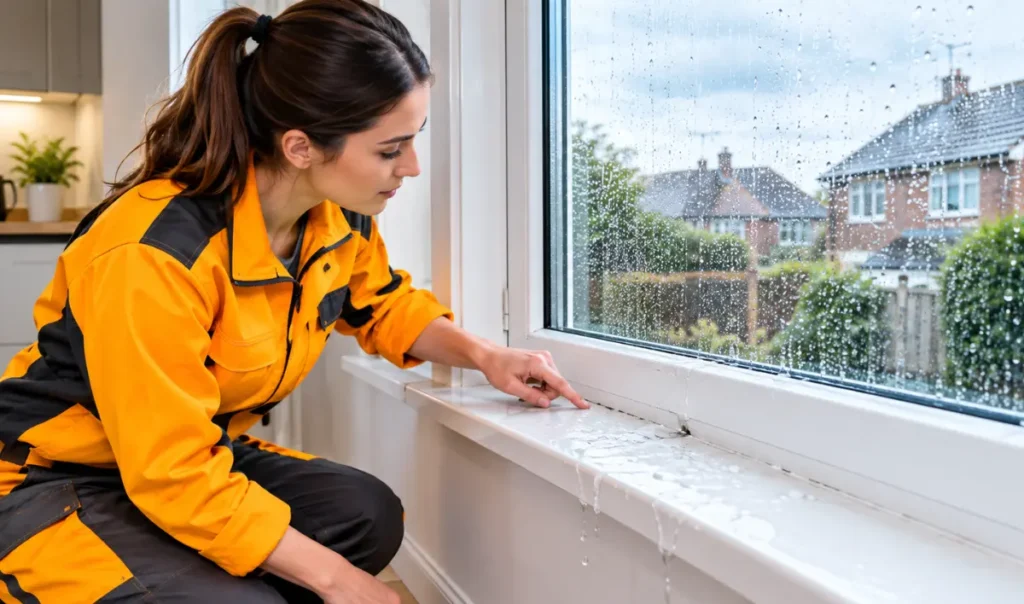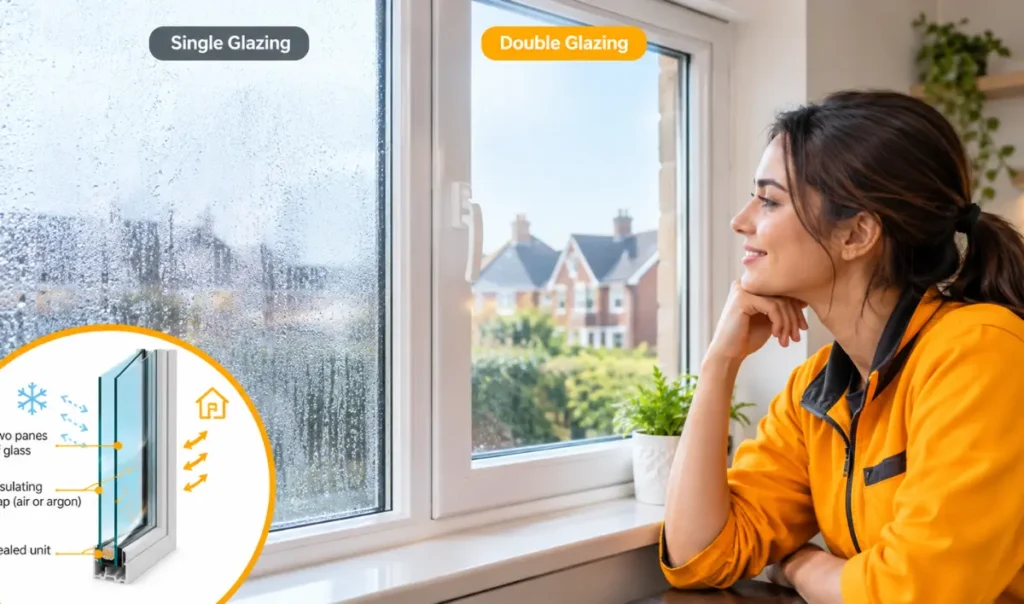

In almost every rented property across Southampton, the landlord is legally responsible for fixing broken, draughty, or failed windows, not the tenant, unless the tenant caused the damage themselves. This comes from who pays for window repairs being set out in law rather than left to whatever a tenancy agreement happens to say, which means the answer doesn’t change from one Southampton landlord to the next.
That single rule resolves most of the confusion renters run into, but the details around reporting, timescales, and what counts as tenant caused damage are where genuine questions still come up, especially in a city with as much student and young professional rental housing as Southampton has.
The Legal Basis: Section 11 of the Landlord and Tenant Act 1985
The main piece of legislation covering this is Section 11 of the Landlord and Tenant Act 1985, which places the structure and exterior of a rented home, including windows, window frames, and exterior doors, firmly on the landlord’s side of the ledger. This duty applies to the vast majority of private tenancies in England, including standard assured shorthold tenancies, and it cannot be removed or reduced by anything written into the tenancy agreement. A clause attempting to shift window repairs onto the tenant simply has no legal effect, regardless of how clearly it’s worded.
The law also doesn’t distinguish between different causes of ordinary wear. A misted sealed unit, a draughty frame that’s opened up as the property has settled, or a lock mechanism that’s simply worn out with age all fall under the landlord’s repairing obligation in exactly the same way a leaking roof or a broken boiler would. None of these require any dramatic event to trigger the landlord’s responsibility. They just need to exist and be reported.
Where the Line Actually Sits Between Landlord and Tenant
The genuine exception, and the one that causes most of the disputes, is damage the tenant causes themselves. If a window is cracked because someone slammed a door too hard, forced a stiff handle the wrong way, or caused accidental damage through their own actions, the landlord can usually still arrange the repair but is entitled to recover the reasonable cost from the tenant afterward.
This distinction matters because it isn’t about who happens to be living in the property when a fault appears. It’s about cause. A seal failing after twelve years of ordinary use is not tenant damage no matter how long the current tenant has lived there, while a pane cracked by a tenant’s own carelessness remains their responsibility even if it happens on day one of a brand new tenancy. Landlords and letting agents across Southampton generally understand this distinction well, but it’s worth knowing clearly as a tenant so you’re not caught out by an incorrect assumption either way.
Why This Matters More in a City Like Southampton
Southampton has a genuinely large proportion of rented housing built around its student population and its university, particularly through Portswood, Highfield, and St Denys, where a significant share of Victorian and Edwardian terraces have been converted into shared or single let rental accommodation. Properties in these areas are often older, and older uPVC frames and sealed units are more likely to develop the exact faults, draughts, misting, worn hardware that fall squarely under a landlord’s repair obligation.
Renters in these areas also tend to turn over more frequently than owner occupiers, which means fewer people living in any single property long enough to notice a slow developing fault before it becomes obvious. A draught that’s been building for two years might only get reported by whoever happens to be renting the property when it finally becomes uncomfortable enough to mention, even though the underlying fault has nothing to do with how long that particular tenant has lived there.
How to Actually Report a Window Problem as a Tenant
Reporting in writing, rather than only mentioning it verbally, makes a genuine difference if the issue drags on. An email or a message through whatever platform your letting agent uses creates a dated record, which matters both for holding the landlord to a reasonable timescale and for demonstrating, if it ever comes to it, that the problem was raised promptly rather than left to develop further.
Describe the fault clearly rather than vaguely. “The window in the back bedroom won’t close properly and there’s a cold draught along the bottom edge” gives a landlord or their contractor enough to act on immediately, whereas “the window’s a bit broken” often leads to a delay while someone tries to work out what’s actually wrong before a repair can even be booked.
Photographs help, particularly for anything visual like misting, cracked glass, or a visibly gapped frame. Keep a copy of whatever you send and any reply you receive, since this record becomes useful evidence if the repair doesn’t happen within a reasonable time.
What Counts as a Reasonable Timescale
Urgent issues, a smashed pane, a window that won’t close and secure properly, or anything creating an immediate security or safety risk, should generally be addressed quickly, often within a day or two, since leaving a property insecure or exposed to the weather isn’t something a landlord can reasonably let sit. Our broken window repair service is built around exactly this kind of urgent turnaround, which is often what a landlord or letting agent will call on the same day a tenant reports a smashed or cracked pane.
Less urgent issues, a misted unit that’s cosmetic rather than a security concern, or a minor draught that isn’t causing damp or serious discomfort, don’t carry the same immediacy, but a landlord is still expected to arrange the repair within a genuinely reasonable window, typically measured in a small number of weeks rather than months. Our misted window repair service covers this more common, less urgent category directly, and it’s usually a straightforward single visit once a landlord or agent has instructed the work.
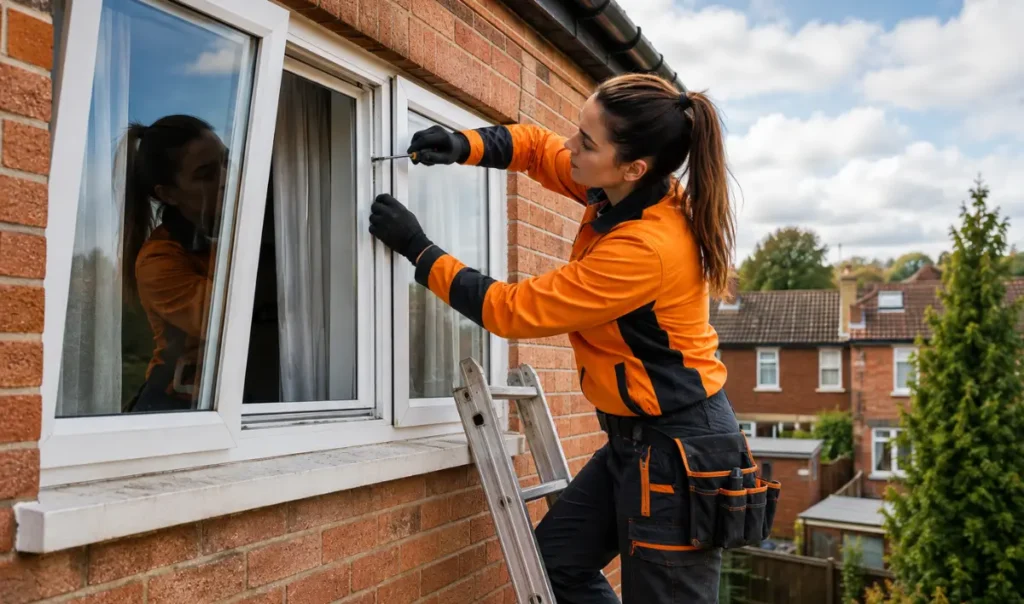
What to Do If a Landlord or Agent Doesn’t Act
If a written report goes unanswered, a polite follow up referencing the original message is a reasonable next step, and it keeps building the dated record that matters if things need to escalate further. Most disputes at this stage resolve simply because the landlord or agent genuinely missed the first message rather than deliberately ignoring it.
If there’s still no action after a reasonable follow up period, contacting your local council’s environmental health team is the next formal step. Councils can investigate disrepair under the Housing Health and Safety Rating System, and where the fault genuinely affects safety, security, or the general condition of the home, they have the power to require the landlord to act. This route exists specifically for situations like this and doesn’t require a solicitor or any upfront cost to use.
Withholding rent in response to an unrepaired window is generally not advisable, even though it can feel like the most direct way to get attention. It can put a tenant’s own position at risk, including potential action from the landlord, so working through the written request and council escalation route is the safer path in almost every case.
A Note for Landlords and Letting Agents
If you’re a landlord or managing agent reading this rather than a tenant, the same rule applies from your side of it. Structural and exterior repairs, including windows, sit with you under Section 11 regardless of what the tenancy agreement says, and a prompt repair on report is both a legal expectation and, practically, the cheaper outcome. A misted unit left for a full tenancy cycle tends to be reported repeatedly by successive tenants, whereas addressing it once resolves the complaint permanently and avoids the same fault resurfacing in every future inspection.
For portfolios with multiple properties across Southampton, especially older converted terraces around the student areas, a periodic proactive check of window condition alongside routine gas and electrical inspections tends to catch failing seals and worn hardware before a tenant needs to report them at all, which keeps both maintenance costs and tenant turnover lower over time.
Common Mistakes Both Sides Make
Tenants sometimes assume that because they’re renting, any repair is automatically the landlord’s problem regardless of cause, which isn’t accurate where the tenant’s own actions caused the damage. Equally, some landlords assume ordinary wear, particularly misting, is something a tenant should simply tolerate or pay for themselves, which also isn’t accurate under Section 11.
Delaying a written report because a fault seems minor is a mistake on the tenant’s side, since a small draught reported early is a quick fix, while the same fault left for a year can develop into something more disruptive, and a longer paper trail of an unreported problem can also complicate things if it does end up needing formal escalation.
On the landlord’s side, treating a reported fault as low priority because it isn’t an emergency is a common misstep, since a genuinely reasonable timescale still has a limit, and repeated delays are exactly what pushes a straightforward repair request into a formal disrepair complaint.
Frequently Asked Questions
Who pays for a broken window in a rented property in Southampton?
In almost all cases, the landlord is responsible for repairing a broken window under Section 11 of the Landlord and Tenant Act 1985, since windows are part of the property’s structure and exterior. If the tenant caused the damage through their own actions, the landlord can arrange the repair but is entitled to recover reasonable costs from the tenant.
Does my landlord have to fix a misted or draughty window?
Yes. Misting and draughts caused by a failed seal or an ageing frame are treated as ordinary disrepair, not tenant responsibility, and fall under the same Section 11 obligation as any other structural repair, regardless of how the tenancy agreement is worded.
What if I accidentally broke the window myself?
You may still be asked to cover the reasonable cost of repair, even though the landlord typically arranges the work itself. This is different from ordinary wear and tear, which remains the landlord’s responsibility regardless of how long you’ve lived in the property.
How long does my landlord have to fix a window once I’ve reported it?
Urgent issues affecting security or safety, such as a smashed pane, should be dealt with quickly, often within a day or two. Less urgent issues like misting or minor draughts should still be addressed within a genuinely reasonable time, generally a small number of weeks rather than months.
What can I do if my landlord won’t fix a reported window problem?
Send a written follow up referencing your original report, then contact your local council’s environmental health team if there’s still no action within a reasonable time. They can investigate under housing standards legislation and require the landlord to carry out the repair.
Final Thoughts
The rule genuinely is this simple in the vast majority of cases. Windows sit with the landlord under Section 11, ordinary wear and failed seals included, and the only real exception is damage a tenant causes directly through their own actions. Knowing which side of that line your situation falls on makes reporting straightforward and avoids the back and forth that comes from either side assuming the wrong default.
Whether you’re a tenant trying to get a draughty window looked at or a landlord arranging a repair before it becomes a bigger complaint, you can see the full range of glazing and door repair services we cover across Southampton and get a straightforward assessment booked in. Different parts of the city tend to develop different faults first, and our breakdown of common issues by Southampton postcode is a useful reference if you’re managing more than one rented property across the city. For independent guidance on repair standards a landlord is expected to meet, TrustMark’s government endorsed register of quality tradespeople is a useful reference alongside anything a letting agent or glazier tells you directly.