

Yes, but only sometimes, and rarely on their own. Windows and EPC rating are linked because glazing performance feeds directly into the SAP calculation behind every Energy Performance Certificate, but a window upgrade on its own is one of the smaller levers a landlord can pull, and it won’t rescue a property that’s losing most of its heat through the loft or the walls instead.
What This Means for Your Rating
Windows typically account for a modest share of a property’s total heat loss compared with loft and wall insulation, so replacing them rarely moves an EPC rating by more than a single band on its own
Repairing a failed seal or a draughty frame can still help, since a window losing heat through a broken seal performs worse on paper than the same frame in good working order
The change that actually matters for most Southampton landlords is the move from EPC E to EPC C for all private tenancies, a shift the government has confirmed is coming, with an associated spending cap per property
Getting an up to date EPC assessment before spending money on any single improvement is the only way to know which upgrade actually shifts your specific property’s score
Why Landlords Assume Windows Are the Fix
New windows are visible, they’re a fixed one-off cost rather than an ongoing one, and tenants notice them, all of which makes them feel like the obvious answer when a letting agent or an EPC report flags a property as underperforming. A cracked or heavily misted pane also looks like exactly the kind of problem an assessor would penalise heavily, so it’s a reasonable assumption to make even when it turns out to be wrong.
The reality inside an EPC calculation is less intuitive. The assessment weighs the whole building envelope together, and for a typical UK home built before the 1990s, loft insulation depth and wall construction usually account for a larger share of the score than glazing does. A property with an uninsulated loft and single glazing will often see a bigger jump in rating from adding loft insulation than from replacing the windows, even though the windows are the more expensive job.
What the New EPC Rules Actually Require
The current legal minimum for a privately rented home in England and Wales is an EPC rating of E, an existing requirement landlords already have to meet. The government has confirmed that this minimum is rising to C, with the new standard applying to all tenancies once it takes effect. There’s a cost cap attached, meaning a landlord generally can’t be forced to spend more than a set amount to reach compliance, and a property that can’t reasonably reach C even after spending up to that cap can register a valid exemption instead.
This gives Southampton landlords some lead time before the change applies, but the properties that will struggle most are the ones common across the city’s older housing stock, Victorian and Edwardian terraces in areas like Portswood, Shirley, and St Denys, many of which still have their original single glazed sash windows or early retrofitted double glazing that’s now decades old.
Where Windows Actually Sit in an EPC Score
Glazing Type and U Value
An EPC assessment records the glazing type present, whether that’s single glazing, double glazing, or secondary glazing, along with an estimated U-value for how much heat it lets through. Moving from single glazing to a reasonably modern double glazed unit is one of the more meaningful individual changes a window job can make, since single glazing performs dramatically worse than any double glazed alternative.
Moving from an older double glazed unit to a newer one, by contrast, produces a much smaller change, since both are already in the same broad performance category as far as the SAP methodology is concerned. This is the distinction that catches a lot of landlords out. Replacing already-double-glazed windows purely to chase a rating improvement is often not worth the cost, whereas replacing genuinely single glazed windows usually is.
Condition Matters as Much as Type
A double glazed unit with a failed seal, letting moisture into the gap between the panes, doesn’t just look bad, it performs worse thermally than an intact sealed unit of the same age and type, since the trapped moisture and lost gas fill reduce its insulating value. Our misted window repair service restores that seal without needing a full frame replacement, which is often the more cost effective route to correcting the EPC-relevant fault rather than replacing the whole window.
Draughts around a frame, whether from a worn seal or a frame that’s dropped slightly out of true, also count against a property’s overall airtightness, which feeds into the wider SAP calculation alongside the glazing figures themselves.
What Windows Won’t Fix
No amount of window work compensates for a poorly insulated loft, an uninsulated cavity wall, or an inefficient heating system, since these typically carry more weight in the calculation. A landlord chasing an EPC C rating who spends the entire available budget on windows before checking what an assessor’s recommendations report actually prioritises risks running out of cost cap before addressing the changes that would have moved the score further.
Repair or Replace: The EPC Specific Answer
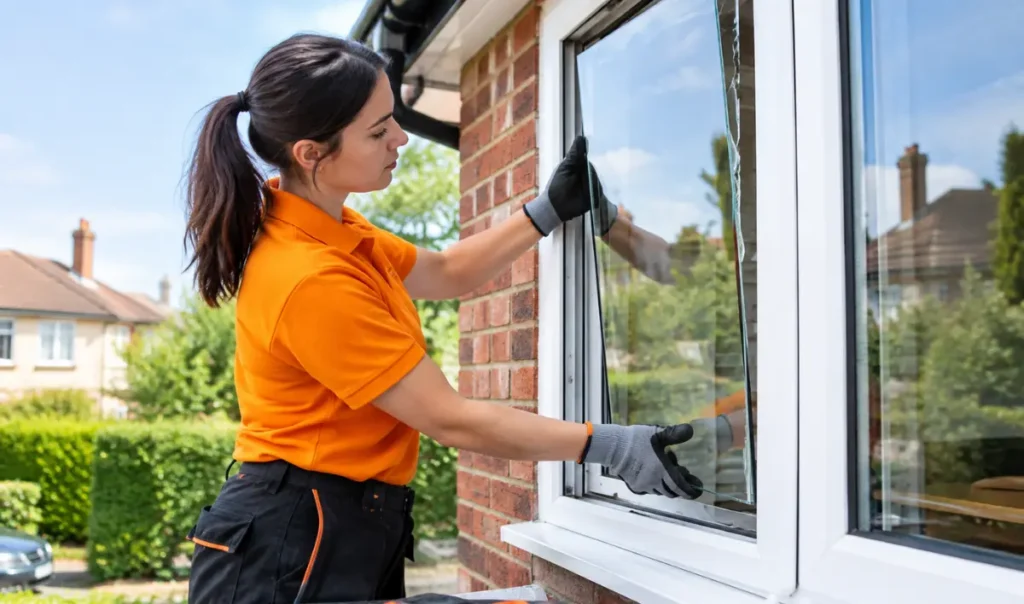
For a property with existing double glazing where the main issue is a failed seal, condensation between the panes, or a stiff and draughty opening mechanism, a repair restores the unit’s original performance rating at a fraction of the cost of full replacement, and does so without disturbing a compliant frame. Our double glazing replacement service covers the cases where replacement genuinely is the better route, most commonly single glazed properties or frames that have failed structurally rather than just at the seal.
For a landlord managing several properties across Southampton, the most cost effective approach is usually a room by room or property by property assessment rather than a blanket policy, since a Victorian terrace in Portswood with original single glazing and a 1990s ex-council flat in Millbrook with tired but intact double glazing need entirely different fixes to reach the same EPC target.
A Practical Order of Operations

Get a current EPC assessment, or check whether an existing one, valid for up to ten years, is still accurate for the property’s present condition
Read the recommendations section of that report in full, since it ranks improvements by their likely impact on the rating, not just by cost
Address loft and wall insulation gaps first where they’re flagged, since these typically deliver a bigger rating shift per pound spent than glazing does
Repair rather than replace any double glazed units that are otherwise sound but underperforming due to a failed seal or draughty frame
Reserve full window replacement for genuinely single glazed properties or frames that have failed beyond repair
Southampton Specific Considerations
Coastal humidity around areas like Woolston and Weston accelerates seal failure in double glazed units compared with more sheltered inland locations, which means a Southampton rental property’s glazing can underperform its age on paper even when the frames themselves are sound. This is worth checking before assuming a unit needs full replacement rather than a seal repair.
Properties in a conservation area or a listed building face additional restrictions on what replacement glazing is permitted, which can complicate a straightforward EPC-driven replacement plan. Where that applies, it’s worth establishing what’s allowed before committing a large share of the spending cap to a window job that might not get planning consent in the form originally intended.
Frequently Asked Questions
Do new windows guarantee a higher EPC rating?
Not on their own. Windows are one part of a wider calculation that includes insulation, heating, and airtightness. A window upgrade helps most when moving away from single glazing, and helps far less when replacing already-double-glazed units.
What EPC rating do I need for my rental property right now?
The current legal minimum for a private tenancy in England and Wales is E. This is rising to C for all tenancies under rules the government has already confirmed, so it’s worth planning ahead rather than waiting until the new standard applies.
Is repairing a misted window worth it for EPC purposes, or should I replace the whole frame?
If the frame itself is sound and only the sealed unit has failed, a repair restores the original performance rating at a lower cost than full replacement, and is generally the better first step before considering a full window replacement.
Will secondary glazing help my EPC score if I can’t replace the original windows?
It can help in properties where original windows can’t be replaced, such as listed buildings, since it improves the overall thermal performance of the opening even though the original glazing type recorded stays the same.
How do I know if it’s my windows or something else dragging my EPC rating down?
The recommendations section of your EPC report ranks the changes most likely to improve your score. If windows aren’t near the top of that list, spending your budget there first is unlikely to be the most affordable route to a better rating.
Final Thoughts
Windows matter to an EPC rating, but they’re rarely the whole story, and treating them as the default fix before checking what an assessment actually recommends is one of the more common ways Southampton landlords overspend on the way to a deadline that still has plenty of lead time left. A trusted local repair, rather than an automatic replacement, is often the more affordable route to the same result.
Full guidance on the current rules, exemptions, and how the cost cap works is published directly by the government on the Minimum Energy Efficiency Standard landlord guidance page, which is worth reading in full before budgeting for any property in your portfolio.

If you’re weighing up repair or replacement for a specific property, our landlord and tenant guide to who pays for window repairs and our Awaab’s Law explainer for Southampton rentals both cover the surrounding responsibilities that come up alongside EPC compliance.