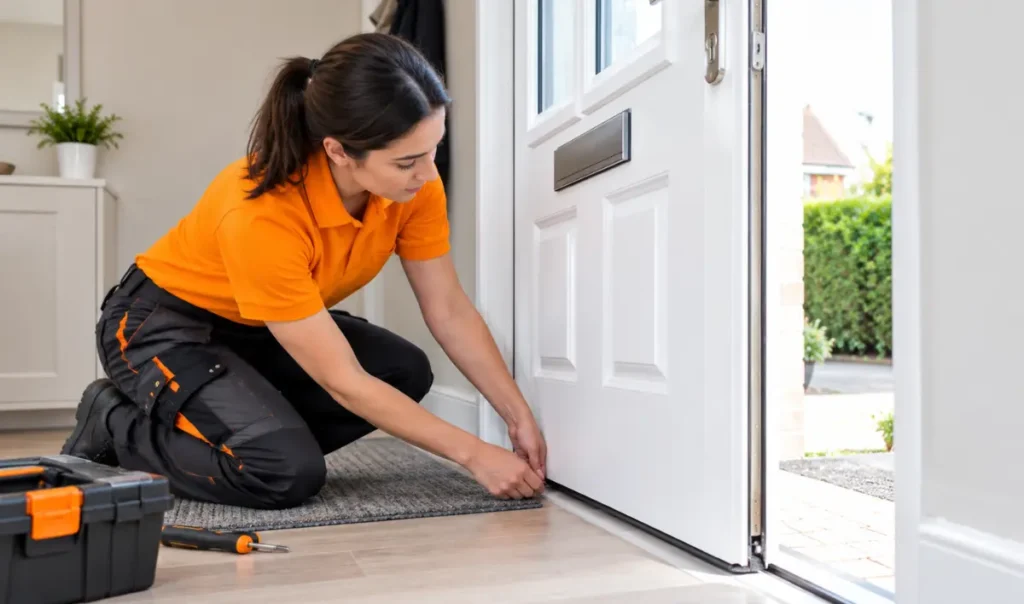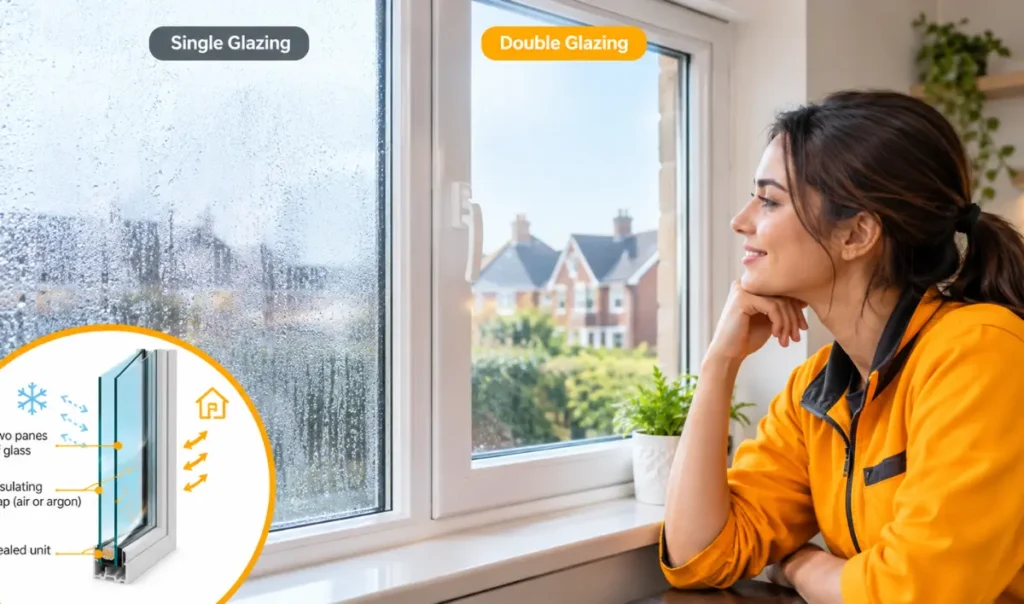
UPVC lock replacement swaps out the entire cylinder and locking hardware rather than repairing a single worn part, and it’s usually the right call when the existing cylinder is outdated, has been damaged by an attempted break in, or simply doesn’t meet current security ratings. Unlike a standard repair, a replacement is often chosen before anything has actually failed, as a deliberate upgrade rather than a reaction to a fault.
This guide is about that upgrade decision specifically. It covers what a euro cylinder actually does, why anti snap ratings matter, what the work involves, and what it costs across Southampton, without repeating the general fault diagnosis covered elsewhere on this site.
Replacement Versus Repair: Where the Line Sits
A repair fixes one failed component inside an otherwise sound door, typically a seized gearbox, a worn keep, or a cylinder that has simply reached the end of its working life through daily use.
A replacement is a proactive swap, most often of the euro cylinder itself, carried out because the current hardware is a known security weak point rather than because it has stopped working. Homeowners across Portswood, Bitterne, Bassett, and the wider SO postcodes book this work after a neighbour’s break in, ahead of a home insurance renewal, or simply after learning their existing cylinder predates modern anti snap standards.
Both jobs are usually completed in under two hours without touching the door panel, frame, or glass, so the choice between them comes down to the reason for the call rather than the scale of the work involved.
If you’re not yet sure which category your door falls into, the diagnostic breakdown that helps separate a simple fix from a genuine replacement job walks through the warning signs first. This guide picks up from the point where replacement, specifically for security reasons, is already the decision on the table.
Why Euro Cylinder Security Ratings Actually Matter
Almost every UPVC door fitted before around 2012 uses a standard euro cylinder with no anti snap protection built in. Lock snapping targets the narrow point where the cylinder protrudes slightly from the faceplate, and with the right tool it can be broken in seconds, giving direct access to the gearbox behind it.
This isn’t a theoretical risk. It became common enough that insurers and door manufacturers responded with formal testing standards, and a cylinder’s rating is now one of the clearest ways to judge whether a door is genuinely secure.
The TS007 Kitemark System
TS007 rates door hardware on a star system. A cylinder rated three stars on its own meets the anti snap standard without needing anything else fitted. A cylinder rated one star combined with security hardware rated two stars on the handles or escutcheons reaches the same combined three star protection.
Checking for this rating, rather than assuming any new cylinder is automatically secure, is the single most useful thing a homeowner can do before booking a replacement.
Sold Secure Diamond Standard
Sold Secure Diamond goes a step further, testing cylinders against snapping, picking, drilling, and bumping rather than snapping alone. It’s the standard most commonly requested by insurers for higher risk properties, and it’s worth asking for by name if a quote doesn’t mention it.
Why the Handle Rating Sometimes Matters as Much as the Cylinder
A cylinder rated three stars on its own always reaches full anti snap protection regardless of what handles are fitted alongside it. A cylinder rated only one star, which covers most budget replacements, only reaches the same combined three star standard when paired with handles or escutcheon plates rated two stars.
This distinction catches a lot of homeowners out. A quote for a “three star upgrade” sometimes only covers the cylinder, leaving old handle hardware in place that quietly undoes the improvement. Asking an installer directly whether the quoted price includes the handles, or only the cylinder, avoids paying for a security upgrade that doesn’t actually deliver full protection.
Cylinder Rating Tiers at a Glance
| Rating | What It Means | Typical Use Case |
| Unrated | No formal anti snap testing, common on doors fitted before roughly 2012 | Should generally be upgraded, not a standard to fit new |
| TS007 1 star | Passes basic anti snap testing on its own | Needs 2 star rated handles to reach a full combined rating |
| TS007 3 star | Passes the full anti snap standard independently | No dependency on handle hardware, simplest upgrade on an older door |
| Sold Secure Diamond | Tested against snapping, picking, drilling and bumping | Often specified directly by insurers on higher risk properties |
Signs a Replacement Makes More Sense Than a Repair
A handful of situations point toward replacement rather than a straightforward fix.
The cylinder protrudes more than a couple of millimetres beyond the handle or escutcheon plate, which is the single clearest visual sign it’s vulnerable to snapping regardless of its age.
There’s visible damage around the lock from a previous break in attempt, even if the door itself held.
A home insurance policy specifically requires a TS007 three star rated cylinder, which older hardware simply won’t meet no matter how well it’s been maintained.
The existing cylinder is more than ten years old and its exact rating is unknown, since paperwork from the original installation is often long gone by that point.
What a Euro Cylinder and Anti-Snap Upgrade Involves
Assessing the Existing Setup
A technician measures the cylinder from the centre of the keyhole to each end of the faceplate, since euro cylinders come in different lengths either side and fitting the wrong size leaves the same protruding gap that made the old one vulnerable in the first place. The handle and keep hardware are checked at the same time, since a full three star rating sometimes depends on upgrading those alongside the cylinder.
Fitting the New Cylinder
The old cylinder is removed by unscrewing a single retaining screw and turning the key a quarter turn, a job that takes minutes once the correct replacement is on hand. The new anti snap rated cylinder is fitted, tested through a full lock and unlock cycle, and checked for smooth operation before the visit ends.
Confirming the Upgrade for Insurance Purposes
Where the upgrade is being carried out to satisfy an insurance requirement, a reputable installer will confirm the exact rating fitted in writing, since some policies ask for proof of the specific standard rather than just a receipt showing a lock was changed.
What UPVC Lock Replacement Costs in Southampton
Pricing depends mainly on the rating chosen rather than the labour involved, since the fitting itself is quick regardless of which cylinder goes in.
A standard one star anti snap cylinder sits at the lower end of the price range and suits most residential doors where the handle hardware is already reasonably new.
A three star cylinder rated on its own costs more but removes any dependency on the condition of the handles, which makes it the simpler option on an older door.
A combined upgrade covering both the cylinder and new security rated handles costs the most but resolves the whole door’s rating in a single visit, which is usually the cheaper route overall compared with upgrading each part separately later.
Most Southampton glaziers price a straightforward cylinder swap as a fixed callout fee plus the cost of the hardware itself, so it’s worth asking for that breakdown rather than a single bundled figure that makes comparison difficult.
Properties with multiple external doors, a common situation across the terraced streets of Shirley and Freemantle, often qualify for a lower per door rate when every cylinder on the property is upgraded in the same visit, since the callout fee is only charged once. This is worth raising directly when getting a quote for more than one door, since not every installer offers it without being asked.
A same day or emergency callout, typically booked after a break in attempt has already damaged the existing cylinder, usually carries a modest premium over a scheduled daytime visit. Where the door is still secure and the upgrade is purely preventative, booking a standard appointment rather than an emergency one is the more cost effective route.
Insurance, Building Regulations, and Choosing an Installer
Straightforward lock and cylinder replacement doesn’t fall under Building Regulations the way a full door replacement does, so there’s no certification requirement to worry about for this specific job. What does matter is choosing someone who fits hardware correctly and can confirm its rating afterwards, since an incorrectly measured cylinder can leave the same protruding vulnerability the upgrade was meant to fix.
Looking for an installer registered with a recognised body such as the Glass and Glazing Federation is a reasonable way to check they’re held to an industry standard, particularly for anyone treating this as part of a wider security upgrade rather than a one-off job.
Common Mistakes Homeowners Make
Assuming any new cylinder automatically means better security, when an unrated replacement fitted without checking the star system can leave the door just as exposed as before.
Guessing the cylinder length rather than measuring it, which is the single most common reason a freshly fitted cylinder still protrudes and remains vulnerable.
Upgrading the cylinder but leaving old, low rated handles in place on a door where the insurer specifically asked for a combined three star result.
Treating this as a DIY job with a generic hardware store cylinder, which often doesn’t match the specific gearbox and keep configuration used on UPVC doors and can leave the mechanism binding.
Assuming a higher price automatically means a higher rating, rather than asking the installer to state the exact TS007 or Sold Secure classification of the specific product being fitted.
Forgetting the back door or side access when upgrading the front door cylinder, which leaves a property with one well protected entry point and one that’s still running on outdated hardware.
If you’re weighing this against a straightforward repair, our companion guide to the everyday lock faults we fix without a full cylinder swap covers the more common scenario where the existing hardware just needs a specific part replaced.
Frequently Asked Questions
Do I need to replace the whole lock, or just the cylinder?
In the vast majority of cases, just the cylinder. The gearbox, keeps, and handles usually stay in good working order for far longer than the cylinder itself, and replacing only the vulnerable part keeps the job quick and affordable.
Will a new cylinder fit my existing door without any other changes?
Almost always, provided it’s measured correctly. Euro cylinders are a standard fitting across UPVC doors, so the main variable is length rather than compatibility with the door itself.
Does my insurer actually check the cylinder rating?
Some do, particularly after a claim or at renewal on higher value properties. Where a policy specifies TS007 three star or Sold Secure Diamond, keeping written confirmation of the rating fitted avoids any dispute later.
Is an anti snap upgrade worth it if my door has never had a problem?
Yes, since lock snapping specifically targets hardware that has never shown any prior sign of weakness. It’s a preventative upgrade rather than a response to an existing fault, which is exactly why most homeowners book it before anything goes wrong rather than after.
Final Thoughts
A UPVC lock replacement is one of the more affordable security upgrades a Southampton homeowner can make, and getting the cylinder rating right matters far more than simply swapping old hardware for new. If your current cylinder is unrated, protruding, or simply unknown in age, having it checked and upgraded properly closes a gap that’s worth taking seriously before it’s tested by anything worse than curiosity, and our homepage covers the complete list of UPVC repair and replacement work we carry out across the city if anything else on your door needs a look at the same time.