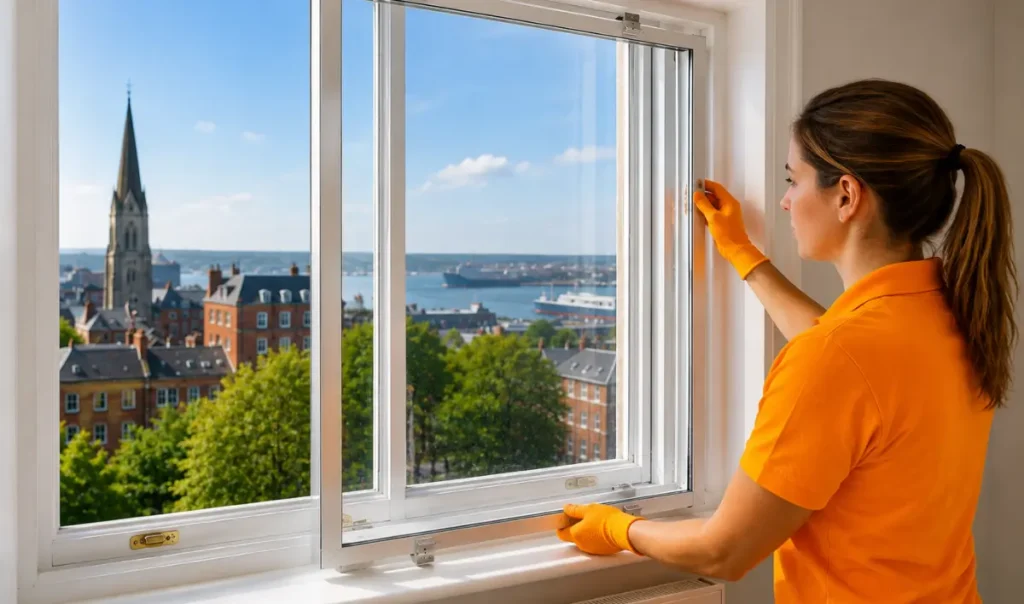
Secondary glazing is an additional glazed panel fitted to the inside of an existing window, sitting a few centimetres in front of the original frame rather than replacing it. It is the standard route for homeowners in Southampton who want better insulation and less noise but cannot, or do not want to, alter the original windows themselves. Where a full double glazing replacement changes the window completely, secondary glazing leaves it untouched and simply adds a second barrier behind it.
If you have already been reading through our guide to when double glazing replacement is worth the cost, secondary glazing sits as a genuinely separate option rather than a smaller version of the same job. It solves a different problem for a different type of property, and understanding which one you actually need matters more than the price difference between them.
What Secondary Glazing Actually Is
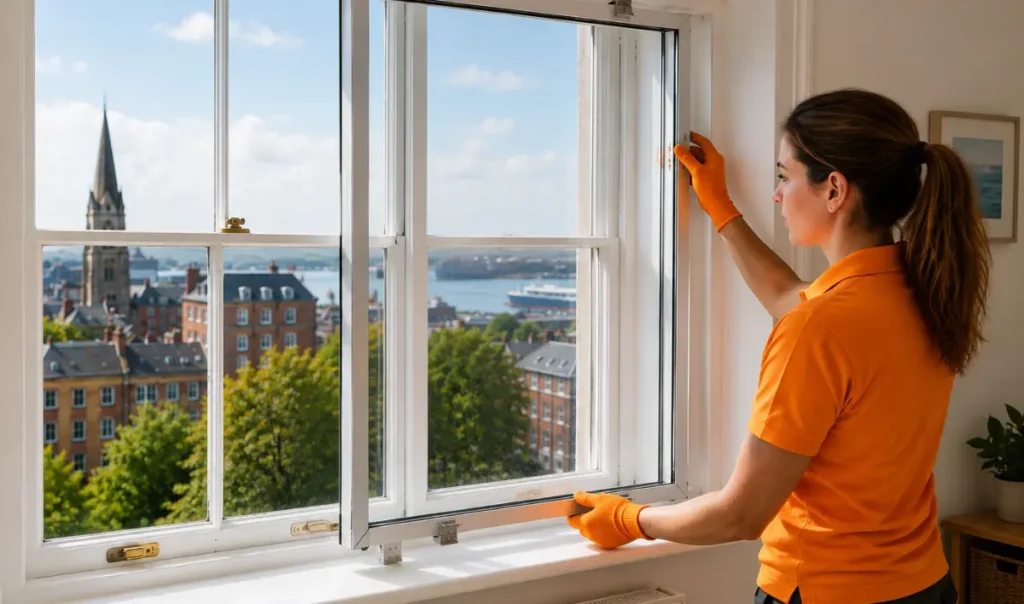
A secondary glazing unit is a slim frame, usually aluminium or timber, fitted inside the reveal of an existing window opening, holding its own single pane of glass a set distance from the original glazing. The gap between the two, typically 50mm to 150mm, is what does most of the work, since a wider air gap traps more heat and disrupts sound waves more effectively than the glass itself does.
Because the original window stays exactly as it is, both in appearance and in structure, secondary glazing is fitted from inside the room and requires no work on the exterior of the property at all. This is the detail that makes it useful for a specific set of homes where a normal double glazing upgrade is not straightforward.
Why Southampton Homeowners Choose It Over Double Glazing
Listed Buildings and Conservation Areas
Southampton has a number of conservation areas and listed properties, particularly around the older parts of the city and in some of the Victorian and Georgian terraces further out. Where a property is listed, or sits within a conservation area, replacing the original windows with modern double glazing can require planning consent that is often refused, since the windows themselves are considered part of the building’s character.
Secondary glazing avoids this problem almost entirely, since it does not touch the original frame, glass, or external appearance. From the street, the property looks exactly as it did before. This is usually why a conservation officer will accept secondary glazing on a property where a full window replacement would not be approved.
Reducing Noise From Traffic, the Docks and Flight Paths
Properties closer to busier roads, the docks, or under a flight path deal with a different problem entirely, one that ordinary double glazing does not always solve as well as people expect. Noise reduction depends far more on the width of the air gap between two panes than on the thickness of the glass itself, and a secondary glazing unit typically creates a wider gap than a standard sealed double glazed unit can.
For homes where traffic or aircraft noise is the main complaint rather than heat loss, secondary glazing fitted alongside existing single or double glazed windows often performs noticeably better for sound than swapping the primary glazing alone would.
Renters, Leaseholders and Short Term Owners
Secondary glazing is also a practical option for anyone who does not want to commit to the cost and disruption of a full window replacement, whether that is a leaseholder who needs freeholder permission for exterior changes, or a homeowner planning to sell within a few years and wanting a lower cost improvement rather than a full renovation.
Secondary Glazing vs Double Glazing How They Compare
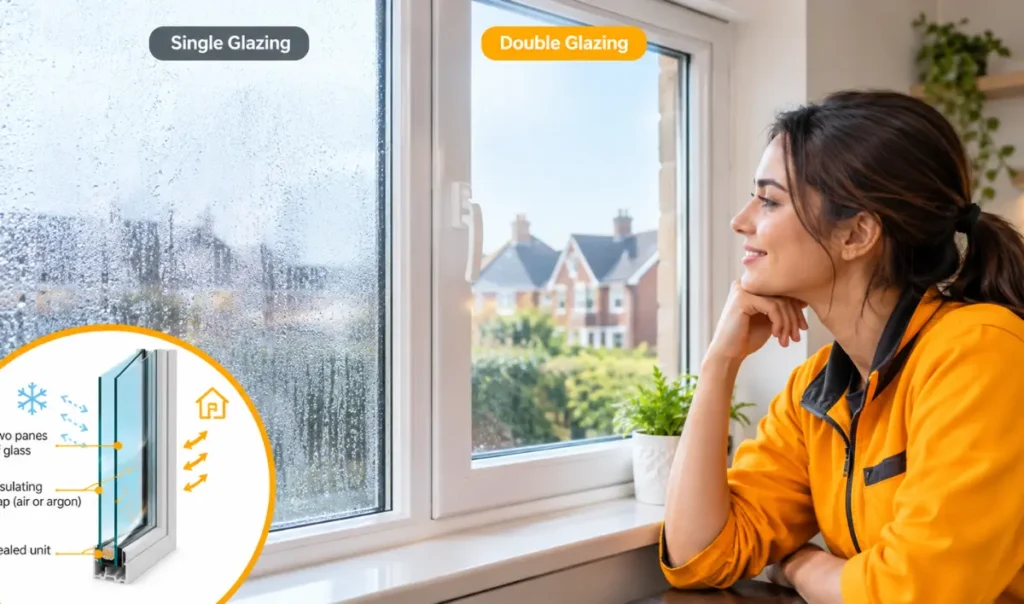
Double glazing replaces the window entirely and generally delivers stronger long term thermal performance, since the sealed unit and frame are both new and built to current standards. It is the better choice where the existing window is genuinely worn out, draughty, or beyond a reasonable repair.
Secondary glazing costs roughly half of a full double glazing replacement and delivers a large share of the thermal benefit alongside stronger noise reduction, without needing planning consent in most cases. It is the better choice where the existing window is structurally sound but the property is restricted, the budget is tighter, or noise rather than heat loss is the main issue.
Neither option is universally better, and the right choice comes down to what the property is actually restricted by and what problem you are trying to solve first.
Types of Secondary Glazing
Fixed Panels
The simplest and most affordable option, a fixed panel does not open at all and is best suited to windows that are rarely used for ventilation, such as those above eye level or in rooms with another source of fresh air.
Hinged and Sliding Units
These open independently of the original window, allowing normal ventilation without removing the secondary unit. Sliding panels are common on wider windows, while hinged panels suit smaller openings where a side opening is more practical.
Magnetic and Lift Out Panels
A magnetic panel attaches to a slim frame fixed around the window reveal and can be removed entirely by hand when needed, making it a popular choice for listed properties where a fully reversible, non permanent installation is preferred by conservation officers.
What It Costs in Southampton
Pricing depends heavily on the size and number of windows, the frame material chosen, and whether the property needs a fixed, opening, or magnetic system. Aluminium framed units tend to sit at the lower end of the range, since they are lighter to manufacture and fit, while timber framed units cost more but are usually chosen where colour matching to original period joinery matters.
Magnetic and lift out systems are generally the most affordable option per window, since they involve less hardware, though they offer less day to day convenience than a hinged or sliding unit if the window needs regular opening. A firm quote depends on an in person survey, since reveal depth, window size, and access all affect the final price.
What Installation Involves
An installer measures each window reveal individually, since even windows that look identical from the outside often vary slightly in depth and dimensions once measured up close. The secondary frame is manufactured to match those exact measurements, then fitted to the inside face of the window recess using fixings appropriate to the wall or frame material.
Most straightforward domestic installations are completed within a single day for a typical house, though larger properties with more windows, or units requiring a bespoke timber finish, can take longer to both manufacture and fit. Because the work happens entirely inside the property, there is no scaffolding, no exterior access requirement, and minimal disruption compared with a full window replacement.
Getting the Right Fit: Practical Tips
Measure the reveal depth before assuming secondary glazing will fit, since a very shallow window reveal can limit which system is practical without an in person survey confirming what will actually work.
Check whether the property is listed or in a conservation area before choosing a system, since some conservation officers have a preference for magnetic or fully reversible panels over fixed, permanently screwed installations.
Prioritise the air gap width over glass thickness if noise is the main concern, since a wider gap between the original window and the secondary panel does more for sound reduction than thicker glass on its own.
Do not assume secondary glazing removes the need to also address any existing faults on the original window, since a draughty or poorly sealed original frame will still let air past the primary glazing even with a secondary unit fitted behind it.
Ask whether the frame colour can be matched to existing joinery if the property has painted or stained timber windows, since a mismatched white aluminium frame against dark timber sashes is one of the more common complaints after installation.
Frequently Asked Questions
Does secondary glazing need planning permission?
In most cases, no, since it does not alter the external appearance of the property. Listed buildings and some conservation areas may still require notification or consent, so it is worth checking with the local planning authority before committing to a system if your property falls into either category.
Is secondary glazing as effective as double glazing?
It delivers a significant share of the thermal performance of full double glazing and often performs better for noise reduction, thanks to the wider air gap between panes. It is not always a like for like replacement for genuinely worn out or draughty original windows, which may still need repair or replacement in their own right.
Can secondary glazing be removed if I change my mind later?
Magnetic and lift out systems can be removed by hand at any time, making them the most flexible option. Fixed and hinged units are more permanent but can still be uninstalled without damaging the original window frame if fitted correctly.
How long does secondary glazing last?
A well fitted aluminium or timber secondary glazing system typically lasts as long as the original window it is paired with, provided the frame and seals are maintained. It does not carry the same wear pattern as a primary window, since it is not exposed to the weather directly.
Will secondary glazing stop condensation?
It can reduce surface condensation on the original window by keeping the glass warmer, but it will not resolve condensation that is already trapped inside a failed sealed double glazed unit, which is a separate fault needing its own repair.
Is Secondary Glazing Right for Your Property?
Secondary glazing solves a specific set of problems that double glazing alone cannot always reach, particularly around listed buildings, conservation restrictions, and noise from busy roads or nearby traffic. It is not a universal upgrade, and it works best when the original window is sound but the property, budget, or noise situation calls for a different approach than full replacement.
If you are weighing up secondary glazing against a full window upgrade, arranging a survey for your windows is the fastest way to get a straight answer for your specific property rather than guessing from general pricing. You can also see everything we cover across Southampton, from repairs to full replacements, if you are still deciding what your windows actually need.
For guidance on window standards and consumer protection when arranging any glazing installation, FENSA publishes independent information worth checking before booking a supplier.