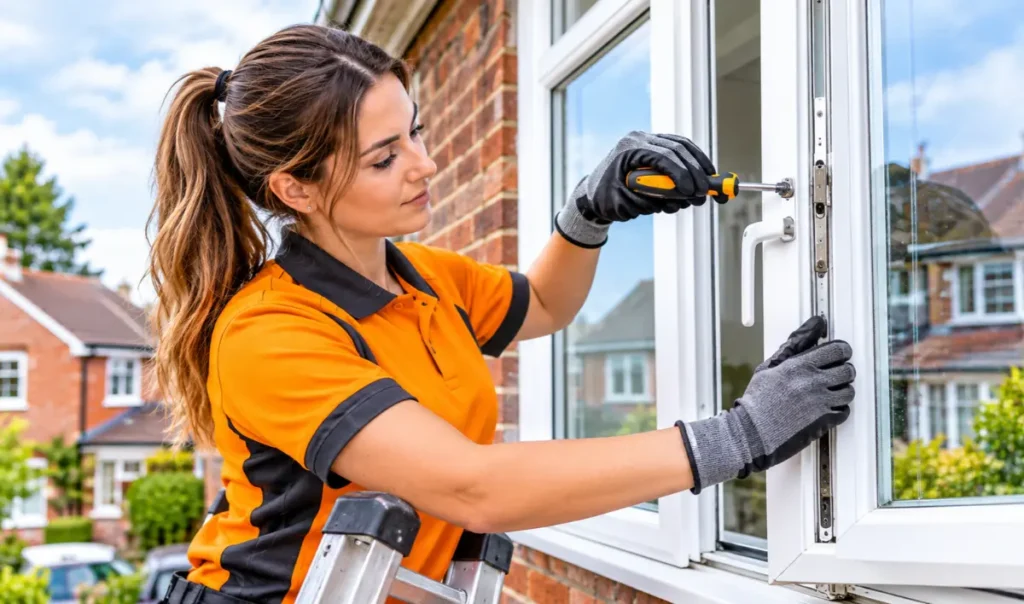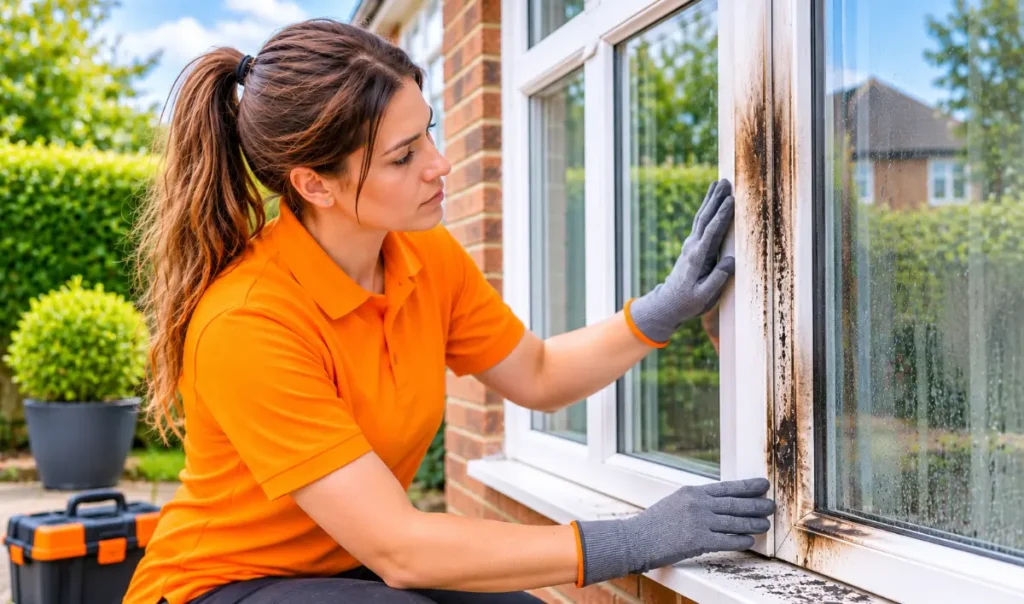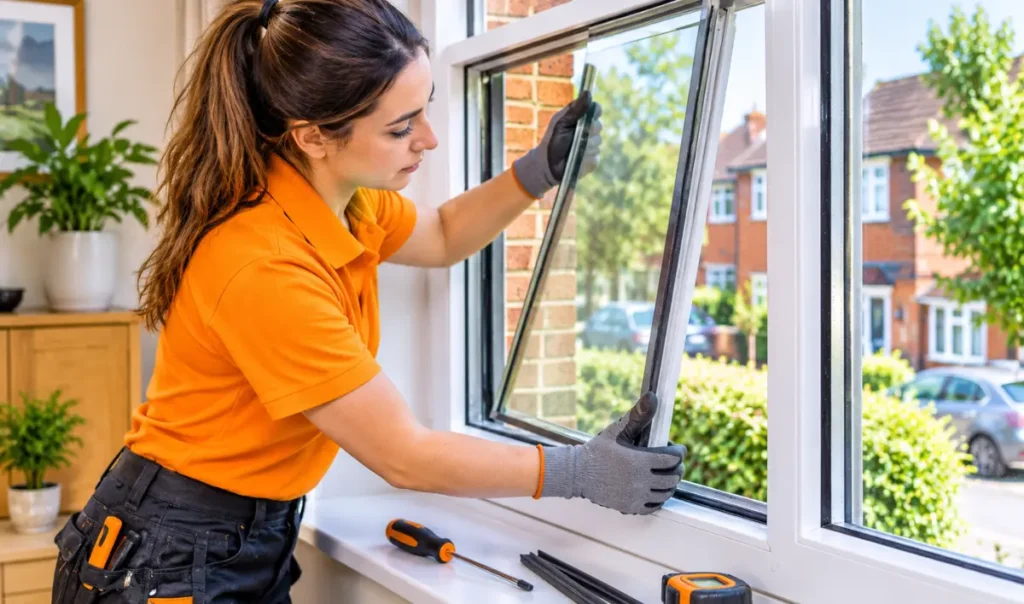
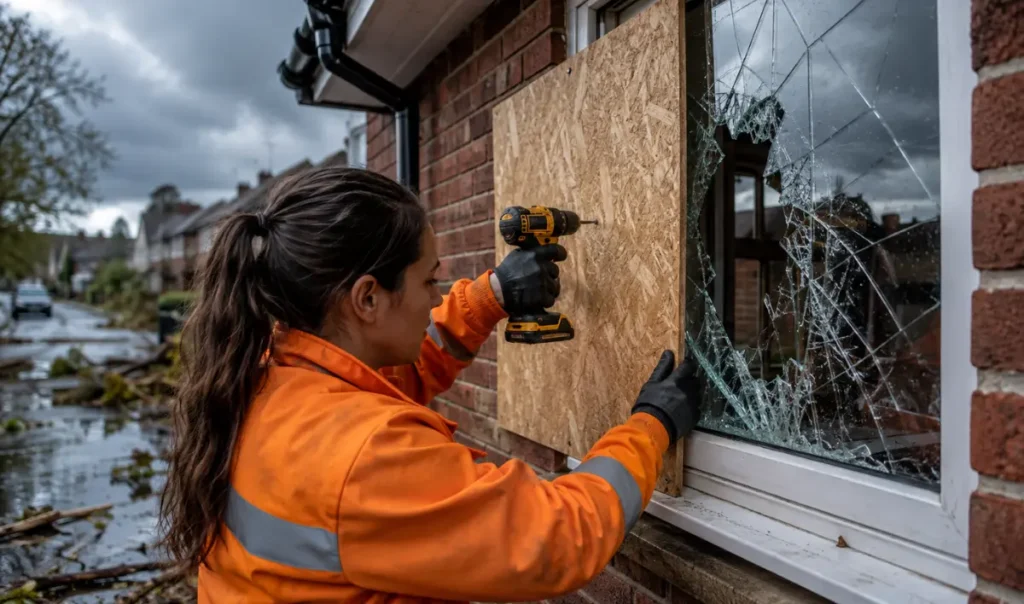
When a storm cracks a pane, tears a frame loose, or drives debris through a window in Southampton, the first hour matters more than most homeowners realise. Storm-damaged windows need to be made safe immediately, documented properly, and reported to your insurer in the right order, since getting any of that wrong can slow down both the repair and the claim that pays for it.
UK storm activity has been trending upward for several years now, and insurers are paying out accordingly. Knowing exactly what to do the moment it happens, and who’s actually responsible for the cost, takes the panic out of a situation that otherwise feels a lot more complicated than it needs to be.
UK Storm Damage Is a Genuinely Growing Problem, Not Just a Bad Year
Weather related home insurance claims across the UK have climbed sharply in recent years. The Association of British Insurers recorded a jump to £585 million in weather related payouts, a new record at the time, driven largely by an unusually active storm season. That record didn’t last long. In , weather related claims rose again to £758 million, with storm damage specifically accounting for £244 million, a 32 percent increase on the year before, and the average storm payout climbing to £2,450 per claim.
That’s not a single bad winter. It’s a consistent upward trend across several consecutive years, and it reflects something homeowners across Southampton are increasingly feeling directly rather than just reading about. More frequent, more damaging storms mean more homeowners dealing with cracked panes, torn frames, and the insurance process that follows, often for the first time.
Why Southampton Sees More of This Than Inland Cities
Southampton’s coastal position means it catches weather systems moving in off the Channel and the Solent with less shelter than towns further inland get. Properties closer to Southampton Water and the docks, and anywhere with a clear run of exposure toward the coast, tend to see the sharpest end of high wind events, particularly on upper floor windows and larger glazed doors that catch more surface area.
This doesn’t mean every storm causes damage, far from it, but it does mean the baseline risk sits a little higher here than it would in a comparable inland city, which is worth factoring in if you’re deciding how quickly to act on a smaller issue, like a slightly loose seal or a frame that’s started to flex, before the next storm turns it into something worse.
What Actually Counts as Storm Damage
Insurers generally define a storm using a wind speed threshold, commonly around 48mph sustained or gusting, alongside visible physical damage that can be directly linked to that weather event. A cracked pane from flying debris during a named storm, a frame torn from its fixings by wind, or a door blown off its hinges all sit clearly within this definition.
What doesn’t count, even if it happens to become obvious during or shortly after a storm, is damage that was already developing beforehand. A seal that had been slowly failing for months and finally gives way during a windy week isn’t storm damage in the insurer’s eyes, even though the timing might make it feel that way. The distinction matters because it’s the difference between a claim that’s likely to be accepted without much friction and one that could be challenged or reduced.
The First Hour: What to Do Immediately After Storm Damage
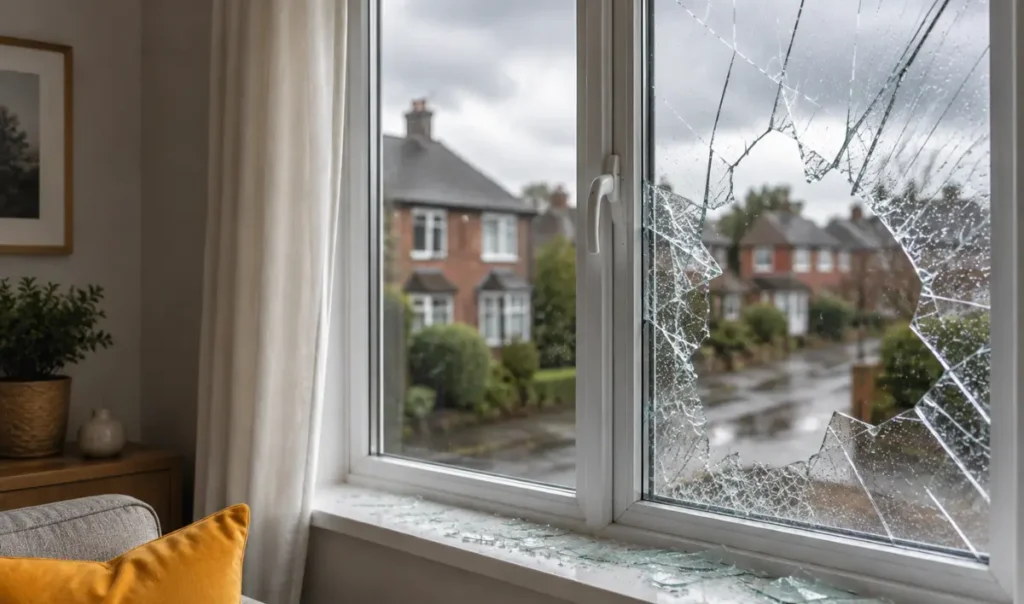
Safety comes first, always, before anything involving paperwork or claims. If glass has broken, keep people and pets away from the area until it can be properly cleared, and if the damage has left the property insecure or exposed to the weather, board up or otherwise secure the opening as soon as it’s safe to do so.
Photograph everything before you touch it, from a distance to show context and up close to show the damage itself. If you know roughly when it happened, note the time, and if there’s an obvious cause still visible nearby, a fallen branch or debris from a neighbouring property, include that in your photos too, since it helps establish the cause clearly later.
Once the property is safe and secure, contact your insurer to report the damage before booking a full repair, where the timeline realistically allows it. Many insurers want to see photographic evidence or may want to send an assessor before work begins, and starting a full repair first can occasionally complicate an otherwise straightforward claim. For anything urgent involving broken or cracked glass, our broken window repair service is built around exactly this kind of same day, storm related callout, and we’re used to working alongside whatever documentation an insurer needs.
What Your Insurer Will Actually Want to See
Clear photographs remain the single most useful piece of evidence in almost every storm claim, ideally taken as close to the event as possible rather than days later once conditions have changed. A note of the approximate time the damage occurred, cross referenced against when the storm itself was active in your area, helps tie the two together convincingly.
A written assessment from whoever carries out the repair can also strengthen a claim, particularly where the cause isn’t immediately obvious from photographs alone, such as a frame that’s been weakened rather than visibly broken. It’s worth asking at the point of booking whether this kind of documentation is something we can provide alongside the repair itself.
Keep every receipt connected to the incident, including any emergency boarding up work carried out before the main repair, since this is usually claimable as part of the overall cost even when it was arranged in a hurry.
Storm Damage to Doors, Not Just Windows
High wind events don’t limit themselves to glass. Southampton properties with larger glazed doors, patio doors, and bifold doors particularly, sometimes see hinges wrenched, frames flexed out of true, or locking mechanisms damaged when a door catches a strong gust while partially open, or when wind pressure builds against a closed door hard enough to strain the frame around it. Our double glazed door repair service covers this kind of storm related door damage directly, alongside the glazing itself where both have been affected in the same event.
When It’s Not Worth Claiming, Even If You Could
Even genuine storm damage doesn’t automatically mean claiming is the right move. Most buildings policies carry an excess, often somewhere between £100 and £250, and if the repair cost sits close to that figure, paying directly is often faster and avoids the claim appearing on your record at the next renewal.
There’s also the premium question to weigh up. A claim now, even a modest one, can influence how an insurer prices your renewal, sometimes by more over a few years than the original claim was actually worth. For minor, contained damage, a single cracked pane rather than a full frame replacement, it’s worth getting a straightforward repair quote before deciding whether the claim route genuinely makes financial sense.
How to Avoid Losing a Genuine Claim to Poor Phrasing
The way damage gets described when reported can shift how an insurer categorises it, sometimes without the homeowner realising why. Saying a crack “must have been building up for a while” when you’re actually unsure of the cause can push a genuinely storm related claim toward the maintenance category, even if the real cause was sudden.
Stick to what you actually know happened. If you heard the impact, saw the debris, or noticed the damage immediately following a specific storm, describe it exactly that way. If you’re genuinely uncertain when the damage occurred, saying so honestly is more useful to your claim than guessing at a cause that a written repair assessment might later contradict.
Common Mistakes Homeowners Make After Storm Damage
Booking a full repair or replacement before contacting the insurer is one of the most frequent mistakes, even for damage that would likely have been approved without issue, simply because the insurer never had the chance to review the damage before it was fixed.
Assuming all storm season damage is automatically covered is another common trap, particularly when a homeowner has had a previous storm claim approved and assumes an unrelated, slower developing issue will be treated the same way.
Waiting too long to report genuine storm damage can also weaken a claim, since a long gap between the storm and the report raises reasonable questions about whether the damage was really sudden or had simply gone unnoticed for a while beforehand.
Frequently Asked Questions
Does home insurance cover storm damaged windows in Southampton?
In most cases, yes, provided the damage is a direct result of a storm meeting your insurer’s wind speed threshold, typically around 48mph, and the damage can be clearly linked to that event through photographs and timing.
What should I do first if a storm breaks my window?
Make sure the area is safe, keep people and pets away from broken glass, and secure the opening if the property is exposed. Photograph the damage thoroughly before arranging repairs, and contact your insurer to report it before booking full work wherever the timeline allows.
Will claiming for storm damage affect my insurance premium?
It can. Insurers may factor claims history into future pricing, so for smaller, lower cost repairs close to your policy excess, paying directly is sometimes the more cost effective route over the following years compared with claiming.
Can storms damage doors as well as windows?
Yes. Larger glazed doors, particularly patio and bifold doors, can suffer hinge damage, frame flexing, or lock mechanism faults during high wind events, especially if caught partially open by a strong gust.
What evidence does my insurer need for a storm damage claim?
Clear photographs taken as close to the event as possible, an approximate time the damage occurred, and ideally a written assessment from whoever carries out the repair if the cause isn’t immediately obvious from photos alone.
Final Thoughts
Storm damage is one of the few glazing problems that genuinely does happen in a single, identifiable moment, which makes it very different from the slow developing faults that make up most everyday repair work. Acting in the right order, safety first, then evidence, then your insurer, then the repair, gives a genuine claim the best possible chance of going through smoothly.
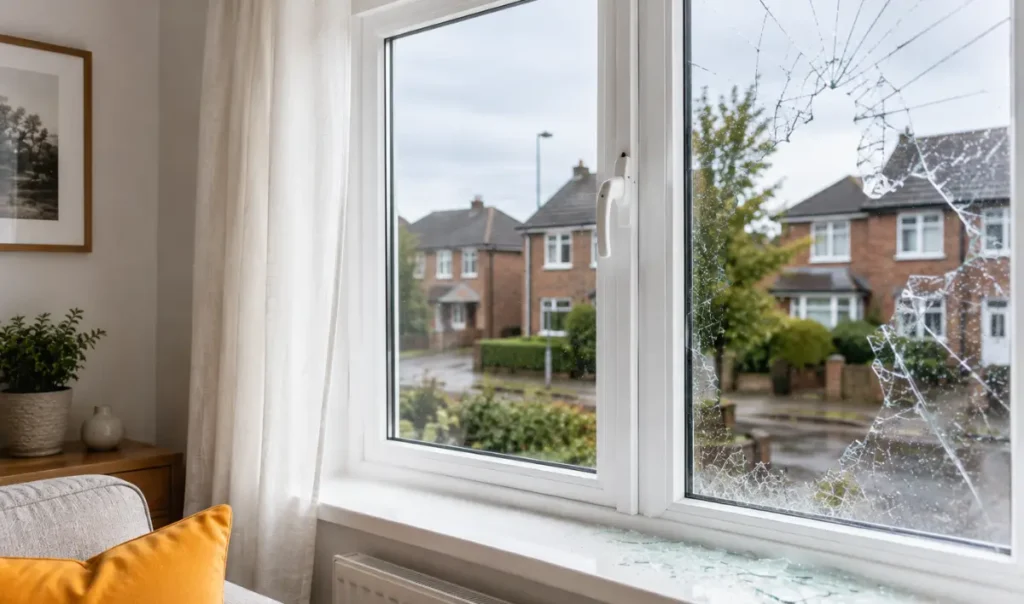
If a recent storm has left you with a damaged window or door, you can get in touch with our Southampton team for an urgent assessment and the documentation your insurer is likely to ask for. If you’re weighing up the wider picture of repair costs across your property, our complete homeowner’s guide to double glazing repairs in Southampton is worth reading alongside this one. For an independent view on vetted local tradespeople if you’re comparing options before booking, Checkatrade’s directory of reviewed glazing specialists is a useful reference point.